



All Small Molecules articles
-
 News
NewsNew antifungal compound targets resistant fungi without kidney toxicity
Researchers have designed an antifungal compound that targets a molecular feature unique to fungi, showing activity against drug-resistant pathogens while avoiding kidney injury in preclinical studies.
-
 News
NewsMLY2 and MLY8 compounds show promise as ulcerative colitis treatment candidates
Two experimental compounds derived from a phase II metabolite have demonstrated improved anti-inflammatory activity in preclinical models of ulcerative colitis.
-
 News
NewsBCAT1 enzyme identified as fibrosis target after heart attack
Researchers at Nagoya University have identified BCAT1, an enzyme involved in proline supply for collagen synthesis, as a potential target for reducing cardiac fibrosis following myocardial infarction.
-
 News
NewsKRAS inhibition and CTLA-4 blockade could overcome gastric cancer immunotherapy resistance
Researchers have identified oncogenic KRAS as a key driver of immunosuppression in gastric adenocarcinoma.
-
 News
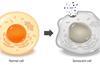
NewsCMA restoration may clear senescent cells in ageing tissues
Researchers at Albert Einstein College of Medicine have identified a cellular recycling pathway whose age-related decline allows senescent ‘zombie’ cells to evade immune clearance.
-
 News
NewsInsilico Medicine nominates AI-designed ISM1354 GIPR antagonist for obesity
Insilico Medicine has nominated ISM1354, an AI-designed small-molecule GIPR antagonist, as a preclinical candidate for obesity and related metabolic disorders.
-
 Article
Drug discovery in Q3 2026 – what changed and why it matters
Agentic AI, ultralarge virtual screening, molecular glues and human-relevant models were among the key developments in early drug discovery during Q3 2026. Drug Target Review examines what changed, why it matters and what to watch heading into Q4.
-
 Article
Induced proximity drugs – why complex formation is not enough
A drug can form exactly the complex it was designed to make and still fail to work. Two recently approved induced proximity drugs show why what happens after complex formation – not formation alone – can decide the outcome.
-
 News
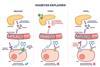
NewsMenin inhibitor KO-7246 shows β-cell regeneration in preclinical diabetes models
New preclinical data suggests that menin inhibitor KO-7246 can regenerate functional pancreatic β-cells and sustain improvements in blood glucose control across both Type 1 and Type 2 diabetes models.
-
 Article
Why AI struggles with new drug targets – and how physics could help
Virtual screening can assess billions of compounds, but performance can fall on unfamiliar targets. Combining AI with molecular physics could help make predictions more reliable.
-
 News
NewsBacterial enzyme found to weaken gut protective hormone signal
A bacterial enzyme produced by Bacteroides vulgatus has been shown to inactivate the intestinal hormone GLP-2, disrupting gut barrier function and aggravating colitis in a preclinical model — with a natural product inhibitor identified as a potential intervention.
-
 News
NewsWhy cancer drug CADD522 could offer a new route to treating osteoporosis
A compound originally designed to block a cancer-associated protein has demonstrated unexpected benefits for bone health and metabolism in post-menopausal mice, suggesting a potential new mechanism for osteoporosis drug discovery.
-
 Article
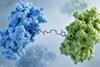
PROTACs vs molecular glues: which degrader fits your target?
PROTACs and molecular glues can both remove disease-associated proteins, but choosing between them is not simple. Our new Discovery Toolkit compares the options to help discovery teams choose the right strategy.
-
 News
NewsFirst-in-class drug targets ‘undruggable’ MYC in blood cancers
A first-in-class experimental drug has demonstrated preclinical activity against treatment-resistant blood cancers by exploiting a newly identified vulnerability between MYC and GSPT1, offering a potential route to one of oncology’s most elusive targets.
-
 Article
Targeting childhood myopia progression with 7-methylxanthine
Childhood myopia researcher Dr Klaus Trier explores how 7-methylxanthine targets scleral remodelling and axial elongation, and its potential to slow disease progression and reduce the risk of high myopia.
-
 News
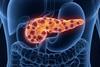
NewsAGR2 and FOXM1 identified as prognostic and therapeutic targets in NF-PanNETs
A new study using single-cell RNA sequencing has identified AGR2 as a potential prognostic marker and FOXM1 as a druggable target in non-functional pancreatic neuroendocrine tumours, offering new tools to stratify patients and guide treatment strategies.
-
 Article
Why intracellular targets remain a major drug discovery challenge – and how they’re becoming druggable
Many biologically important intracellular targets remain difficult to drug. Dr Rab Prinjha examines how screening within living cells could help tackle them.
-
 News
NewsAI identifies experimental drug targeting undruggable cancer protein
Mayo Clinic researchers have used AI to screen nearly 40,000 compounds and identify a small molecule inhibitor targeting GIPC1, a protein previously considered undruggable, with preclinical results showing slowed tumour growth and enhanced chemotherapy response.
-
 News
NewsInsilico Medicine nominates AI-designed candidate for ocular diseases
Insilico Medicine has nominated ISM9077, an AI-designed small molecule targeting pathological inflammation, as its 32nd preclinical candidate since 2021, with potential applications across dry AMD, uveitis and dry eye disease.
-
 News
NewsAI and genetics identify WNK2 inhibitor for osteoarthritis treatment
Researchers at University of Utah Health have used artificial intelligence and human genetic data to identify a promising early-stage drug candidate targeting WNK2, a protein linked to inherited osteoarthritis, with the lead compound reducing inflammatory gene activity and supporting cartilage cell health in laboratory models.