



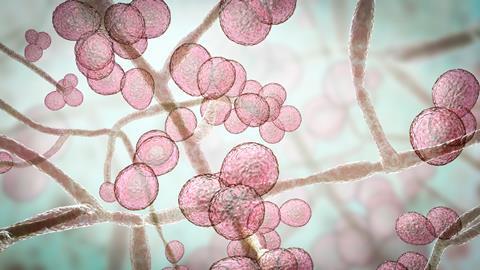
Researchers have designed an antifungal compound that targets a molecular feature unique to fungi, showing activity against drug-resistant pathogens while avoiding kidney injury in preclinical studies.
Researchers have developed a new antifungal compound that selectively targets fungal cell membranes without binding to mammalian cholesterol, potentially addressing a major limitation of existing antifungal treatments.
The study, published in Science Translational Medicine, describes the development of mandimycin M16, a compound engineered using a novel molecular scaffold to distinguish between fungal ergosterol and cholesterol.
The findings suggest that modifying the structure of polyene antifungals could help researchers retain broad-spectrum activity while reducing the toxicity associated with existing drugs.
Designing antifungals with greater selectivity
Amphotericin B has been used for decades to treat serious fungal infections, including those caused by drug-resistant pathogens. However, its clinical use is limited by potentially severe side effects, particularly kidney toxicity.
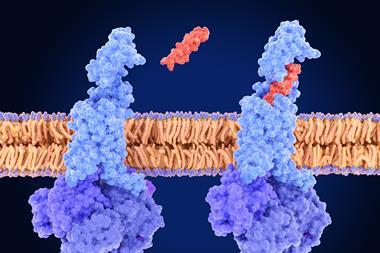
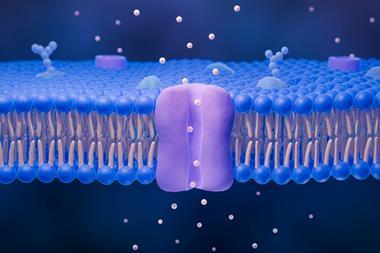
The drug acts by binding to ergosterol, a sterol found in fungal cell membranes. However, ergosterol shares structural similarities with cholesterol in mammalian cells, meaning polyene antifungals can also interact with host cell membranes and cause unwanted toxicity.
To address this challenge, Wei Liu and colleagues developed mandimycin M16 using a molecular architecture known as a 5+1 polyene scaffold.
The scaffold was designed to recognise a specific structural feature of ergosterol, known as the C5–C8 conjugated diene system, which is absent from cholesterol. By targeting this difference, the researchers aimed to improve antifungal selectivity without compromising activity against fungal pathogens.
Unlike conventional polyene antifungals, M16 demonstrated selective binding to ergosterol without detectable binding to cholesterol in the reported experiments.
Activity against drug-resistant fungal pathogens
The researchers evaluated M16 against 11 priority fungal pathogens, including multidrug-resistant strains and found that the compound demonstrated broad-spectrum antifungal activity in laboratory testing.
Further experiments in mouse models of systemic Candida infection showed that M16 outperformed amphotericin B while avoiding the kidney injury observed with the existing treatment.
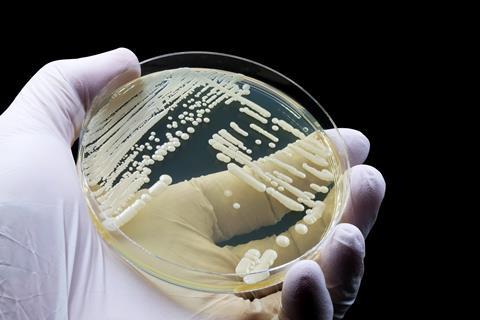
These findings provide preclinical evidence that the new scaffold can separate antifungal activity from some of the host toxicity associated with conventional polyene drugs.
The study also identifies a structural basis for improving selectivity, offering medicinal chemists a potential strategy for developing antifungal compounds that distinguish more effectively between fungal and mammalian membrane components.
Although further research is needed to establish the compound’s safety, pharmacological properties and effectiveness in humans, the findings demonstrate how changes to molecular architecture could address longstanding challenges in antifungal drug development.
By exploiting structural differences between ergosterol and cholesterol, the researchers have identified a potential route towards antifungal treatments that retain activity against resistant pathogens while reducing damage to host tissues.
Reference
Liu W, et al. A 5+1 polyene scaffold that selectively recognizes ergosterol’s conjugated diene uncouples antifungal potency from host toxicity. Sci Transl Med. 2026. doi: 10.1126/scitranslmed.aei5968.









No comments yet