



All Drug Discovery articles – Page 10
-
 News
NewsNew Lumos AI platform targets precision in mental health drugs
Headlamp Health has launched Lumos AI®, a new decision-support platform designed to bring greater precision to neuroscience drug development.
-
 News
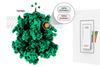
NewsTRPM5 protein switch discovery could lead to new diabetes drugs
Northwestern University scientists have discovered a hidden ‘control switch’ in the TRPM5 protein, which helps regulate taste, blood sugar and gut health and could lead to new therapies for targeting diabetes and obesity.
-
 Article
Agentic AI: teaching machines to think like scientists
What happens when AI stops guessing and starts reasoning? Agentic AI is bringing scientific logic into the heart of drug discovery.
-
 News
NewsInsilico secures $888million Servier partnership for AI oncology
Insilico Medicine and Servier have announced a multi-year collaboration to accelerate the discovery of new cancer therapies, using artificial intelligence to tackle challenging oncology targets and shorten early-stage drug development timelines.
-
 Article
The data fragmentation problem holding drug discovery back
The DMTA cycle depends on clear data flow, yet most labs still work across disconnected systems. Sean McGee, Director of Product at Certara, explains how better infrastructure and AI can help teams work faster and make decisions with more confidence.
-
 News
NewsBlocking PAF receptor could offer new liver cirrhosis treatment
Spanish researchers have discovered a key inflammatory mechanism that could lead to new innovative treatments to reduce liver damage and improve vascular function in cirrhosis.
-
 News
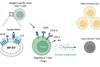
NewsEngineered extracellular vesicles control immune responses
Researchers have engineered new extracellular vesicles that can selectively induce antigen-specific regulatory T cells, possibly leading towards safer, more precise treatments for autoimmune and allergic diseases.
-
 Article
Peptides in practice: what it takes to advance these therapies to clinic
Peptide therapeutics are emerging as a powerful class of medicines capable of targeting diseases that challenge traditional modalities. This article reveals their rising clinical impact and the key development, safety and translational challenges that must be addressed to bring them successfully to patients.
-
 News
NewsNew research aims to make FDA-approved drugs safer for the brain
Life-saving HIV and cancer drugs can carry serious neurological risks, and new funding will help UMBC researchers discover how these medicines damage the brain – which could help to inform safer treatments.
-
 News
NewsNew study identifies genetic weakness in deadly Candida auris fungus
Scientists at the University of Exeter have discovered a genetic process in the deadly hospital fungus Candida auris, which could help to develop new treatments.
-
 Article
Why patient-derived biology matters for ADC discovery
What can we learn from tumours after they stop responding to treatment? By studying patient tissue directly, researchers are finding new ADC targets that conventional screening often misses.
-
 News
NewsNew method preserves iPS cells for regenerative medicine
Kobe University researchers have developed a new way of freeze induced pluripotent stem cells (iPS cells) directly in their culture dishes without losing viability or pluripotency.
-
 News
NewsScientists discover potential therapy for pancreatic cancer-induced cachexia
University of Houston researchers have identified a key cellular pathway involved in muscle wasting caused by pancreatic cancer, offering new insights into potential therapies.
-
 Webinar
The truth about AI in drug discovery: what the experts really think
AI is transforming drug discovery - but beyond the hype, what’s actually delivering results? In this expert-led webinar, industry leaders explore where AI is accelerating target identification, molecule design and hit discovery, while also confronting the real-world challenges of data quality, validation and adoption. Discover what’s working today, what still ...
-
 News
NewsCBD and THC show anti-cancer effects against ovarian tumours
New research suggests cannabis compounds CBD and THC could offer a new approach to treating ovarian cancer.
-
 News
NewsFertility gene PRDM9 linked to relapse in glioblastoma
A study by University of Sydney scientists has discovered why patients with glioblastoma often relapse, identifying a hidden population of cancer cells that hijack a fertility gene to survive chemotherapy.
-
 Article
The future of obesity drugs starts in preclinical discovery
Progress in preclinical models and biomarker science is improving early-stage obesity drug development. This article outlines the emerging targets and technologies behind this shift.
-
 News
NewsAI-powered CKD drug ISM4808 licensed for kidney disease therapy
Insilico Medicine has partnered with TaiGen Biotechnology to exclusively license its AI-designed PHD inhibitor, ISM4808, for the treatment of CKD-related anaemia in Greater China.
-
 News
NewsInhibiting DDR1 pathway helps breach pancreatic cancer’s drug barrier
Scientists in Japan have identified a way to weaken the dense fibrotic barrier that prevents drugs from penetrating pancreatic tumours – a promising new strategy that could improve treatment for pancreatic cancer.
-
 News
NewsNew Spheromatrix platform speeds up cancer drug research
Researchers at NYU Abu Dhabi have developed a cheap, paper-based platform that allows tumour models to be grown, frozen and stored for future cancer drug testing – called Spheromatrix.