



All Drug Discovery articles – Page 7
-
 Article
Discovery is changing – and automation leads the way
Automation is helping drug discovery teams screen faster, cut costs and run complex assays at scale – but its real value lies in what happens next.
-
 News
NewsLab-made lncRNA could lead to new anti-inflammatory drugs
Scientists at the University of Toronto have created long noncoding RNA outside living cells for the first time, a breakthrough that has already produced experimental anti-inflammatory molecules.
-
 News
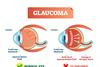
NewsNew target found for glaucoma treatment
Scientists have discovered that specialised immune cells in the eye help keep its drainage system clear and regulate pressure, which could inform new treatments for glaucoma.
-
 Article
World ADC 2026: where antibody-drug conjugates are heading
At World ADC London 2026, experts highlighted how advances in payload design, targeting strategies and AI-driven discovery are changing antibody–drug conjugate development.
-
 News
NewsNew AI tool could accelerate drug discovery and cut lab costs
Scientists have developed a machine learning system that can predict how complex chemical reactions will produce the correct molecular form for medicines.
-
 Interview
How self-driving labs are changing drug development
Automation and artificial intelligence are changing how scientists design, test and refine new molecules. At the University of Toronto, Stuart R Green and the Acceleration Consortium are building a self-driving lab that could change the pace of early drug discovery.
-
 Article
International Women’s Day: digital pathology in early drug discovery
For International Women’s Day, Dr Amanda Hemmerich, Global Director of Digital Pathology & Innovation at IQVIA Laboratories, describes how digital pathology is being applied in early drug development and what it takes to build credibility in a multidisciplinary technical field.
-
 News
NewsGut drug boosts liver health in mice after small bowel surgery
Researchers at Washington University have developed a gut-specific drug that protects the liver and improves nutrient absorption in mice after small bowel surgery.
-
 News
NewsNew AI foundation model aims to speed up drug discovery
Insilico Medicine and Liquid AI have partnered to develop a lightweight artificial intelligence foundation model designed to support multiple stages of drug discovery.
-
 News
NewsFlare Therapeutics streamlines drug discovery with Simplicis Ledger
Flare Therapeutics has selected Simplicis Ledger™ as its primary compound and inventory management platform, marking a strategic move toward a more resilient and automated approach to drug discovery.
-
 Article
Why most labs are not ready for AI: Cenevo shares what must change
Most labs want to use AI, but few have the digital foundations to support it. Cenevo’s leaders explain why progress is slow and what laboratories must fix before AI can deliver real value.
-
 News
NewsELRIG appoints Dr Kelly Gray and Dr Elaine Duncan to board
ELRIG has appointed Dr Kelly Gray and Dr Elaine Duncan to its board, bringing extensive expertise to lead scientific programmes and early career initiatives.
-
 Article
Drug discovery integration takes centre stage at SLAS Boston 2026
Drug discovery has no shortage of powerful technologies, but the challenge now is making them work together. At SLAS Boston 2026, researchers and technology developers revealed how laboratories are connecting the entire experimental pipeline.
-
 Article
Making immunotherapy safer and more accessible through continuous digital monitoring
Immunotherapies such as CAR-T are extending survival, yet reliance on inpatient monitoring for cytokine release syndrome continues to restrict access. This article explores how continuous digital monitoring and AI-driven analysis could enable safer outpatient delivery and support more scalable immunotherapy adoption.
-
 Article
Integrated proteo-transcriptomics reveals multiple therapeutic targets in Candida auris
Scientists at the Medical University of Vienna identify multiple mechanisms of multidrug resistance in Candida auris, revealing new therapeutic opportunities.
-
 News
NewsNew precision GLP-1 agonist could reduce side effects in patients
Researchers have developed a novel GLP-1 receptor agonist that preserves blood sugar control while reducing nausea and vomiting, offering a potential safer approach to treating diabetes and obesity.
-
 News
NewsARK1 identified as target for future malaria drugs
Scientists have identified Aurora-related kinase 1 (ARK1) as a vital protein in malaria parasite development, a breakthrough that could enable future drugs designed to block transmission.
-
 Interview
Why PDE4B matters in the search for better IPF and PPF therapies
Could targeting a single enzyme play a role in slowing lung fibrosis? Boehringer Ingelheim’s research into PDE4B is offering promising clues.
-
 News
NewsBispecific EGFR/EphA2-targeting ADC shows promise in colorectal cancer
Promatix Biosciences Ltd has announced positive preclinical data for its first-in-class bispecific antibody–drug conjugate, PBS293-MMAE, demonstrating enhanced tumour selectivity, improved suppression and reduced toxicity in colorectal cancer models.
-
 News
NewsCamel-derived peptides target multidrug bacteria
Researchers at Sultan Qaboos University have identified three antimicrobial peptides from dromedary camels that demonstrate potent activity against multidrug-resistant bacteria.