



All Drug Discovery articles – Page 2
-
 News
NewsStreptomyces antibiotic ‘megacluster’ targets biotin to combat drug-resistant infections
Researchers at McMaster University have identified an unprecedented antibiotic ‘megacluster’ in Streptomyces bacteria, harbouring four co-located gene clusters that produce compounds collectively targeting bacterial biotin biosynthesis, uptake and utilisation — with two proving effective against multidrug-resistant E. coli in animal models.
-
 News
NewsLargest chemical reactions database launched to boost AI drug discovery
Researchers at the University of Michigan have assembled a database of more than 50,000 chemical experiments, offering AI systems an unprecedented resource to accelerate drug discovery and reduce reliance on scarce precious metal catalysts.
-
 News
NewsResearchers reveal how entinostat disrupts pancreatic cancer repair
Scientists at the Salk Institute have discovered how the investigational HDAC inhibitor entinostat disrupts DNA repair mechanisms in pancreatic cancer cells, potentially enabling more effective combination therapies with reduced toxicity through novel nanoparticle delivery systems.
-
 News
NewsAI uncovers antimicrobial peptides hidden within prion proteins
Researchers at the University of Pennsylvania have used artificial intelligence to identify a new class of antimicrobial peptides within prion proteins, traditionally associated with neurodegenerative disease. The discovery reveals 1,179 potential antibiotic candidates, with laboratory and animal studies confirming activity against drug-resistant bacterial strains.
-
 News
NewsThalidomide shows potential for treating rare brain vascular malformations
Researchers in China have reported encouraging preclinical and early clinical evidence that thalidomide may help stabilise and reduce rare vascular malformations affecting the brain and spinal cord, potentially offering the first medical treatment option for patients with central nervous system arteriovenous malformations who are unsuitable for invasive procedures.
-
 News
NewsMembrane lipid composition directly regulates EGFR activity in cells
MIT researchers have demonstrated that cell membrane composition directly influences EGFR activity, with elevated negatively charged lipids locking the receptor into a growth-promoting state.
-
 Article
Small tags, big advances: studying endogenous proteins in their native context
By combining CRISPR knock-in with small peptide tags, researchers can study proteins in their native cellular context, generating more predictive data for translational drug discovery.
-
 News
NewsLabGenius and LG Chem partner on AI-driven cancer antibodies
LabGenius Therapeutics has partnered with LG Chem to develop next-generation multispecific antibodies targeting solid tumours. The collaboration combines AI-driven drug discovery with oncology development expertise to identify therapeutics with improved selectivity and reduced toxicity.
-
 News
NewsEuropean initiative aims to bring molecular dynamics into mainstream drug discovery
What if the vast amounts of data generated by molecular dynamics simulations could be routinely shared and reused? A new €10 million European initiative aims to do just that, helping researchers gain a deeper understanding of protein behaviour and drug-target interactions.
-
 News
NewsPim1 kinase identified as therapeutic target for inflammatory arthritis
Researchers have identified Pim1 kinase as a critical driver of inflammatory arthritis through its regulation of Th17 cell differentiation via mitochondrial metabolism.
-
 News
NewsResearchers develop automated DESI-MS platform for faster cancer drug discovery
Scientists at Purdue University have created an automated ultrahigh-throughput platform that integrates chemical synthesis, biological testing and mass spectrometry into a single workflow, potentially reducing the time needed to identify promising cancer drug candidates from weeks to hours.
-
 News
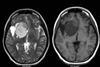
NewsNew framework standardises glioma organoid research for translational studies
A collaborative review published in Neuro-Oncology establishes a unified classification system for glioma organoid models, addressing inconsistent terminology and methodology across the rapidly expanding field.
-
 News
NewsAI-powered $6M project targets new Alzheimer’s treatments
A $6 million NIH-funded collaboration between Indiana University School of Medicine and Luddy School of Informatics aims to deploy AI and machine learning to identify promising Alzheimer’s drug candidates, screening billions of compounds to overcome traditional discovery bottlenecks.
-
 News
NewsNew kidney water regulation mechanism could improve polycystic kidney disease treatment
Scientists at Mayo Clinic have discovered a previously unknown mechanism by which kidneys regulate water balance, offering new therapeutic possibilities for polycystic kidney disease patients experiencing severe side effects from current treatments.
-
 News
NewsCopper drug Cu(ATSM) reduces Alzheimer’s proteins by 42 percent in preclinical study
A copper-delivering compound has demonstrated the ability to restore blood-brain barrier clearance mechanisms, reducing amyloid-beta accumulation by 42 percent and improving spatial learning by 44 percent in Alzheimer’s disease models, according to research published in ACS Chemical Neuroscience.
-
 Report
Context is everything: how spatial biology is changing our understanding of disease
Discover how spatial biology is revealing disease mechanisms with implications for biomarkers, immunotherapy and drug development.
-
 Article
Pomegranate-derived compound shows therapeutic potential in heart disease
Researchers at Cardiff University have identified urolithin A – a compound produced by gut bacteria during the metabolism of substances found in pomegranates – as a new approach for treating cardiovascular disease.
-
 News
NewsAI-designed miniproteins target GPCRs in drug discovery
GPCRs account for a significant proportion of approved drug targets, yet selectively controlling their activity remains a major challenge. Researchers have now used AI-assisted protein design to create miniproteins capable of activating or inhibiting these receptors, providing an alternative strategy for targeting this important class of membrane proteins.
-
 Article
AACR 2026 part two: integrating AI, spatial biology and next-gen therapeutics
In part two of our AACR 2026 coverage, industry leaders were focussed on how the field is no longer constrained by data generation or molecular design, but by the challenge of connecting systems, standardising workflows and ensuring biological insights.
-
 Report
AI in Drug Discovery: Progress, Limits and What Comes Next
AI has attracted enormous investment across drug discovery, but major questions still remain around validation, reproducibility and real-world application. In our latest Beyond the Lab report, experts discuss where the technology is starting to influence discovery workflows – and where limitations continue to slow adoption.