



Researchers at MD Anderson Cancer Center have identified a previously unknown feedforward relationship between MYC and GSPT1, and developed a dual-degrader strategy that showed potent preclinical activity across a variety of blood cancers.

A first-in-class therapy targeting MYC, a protein long considered one of the most difficult targets in cancer biology, has shown promising preclinical activity against hard-to-treat blood cancers.
Researchers at The University of Texas MD Anderson Cancer Center found that the experimental drug GT19630 disrupts a newly identified relationship between MYC and GSPT1. The findings showed strong anti-cancer activity in preclinical models of leukaemia, lymphoma and multiple myeloma, including treatment-resistant and TP53-mutated disease.
The study was led by Dr Michael Andreeff and Dr Yuki Nishida, both in the Department of Leukemia at MD Anderson.
“For decades, scientists have struggled to develop therapies that successfully block MYC, leading many in the field to describe it as undruggable,” Dr Andreeff said. “By identifying a vulnerability in the relationship between MYC and GSPT1, we found a way to eliminate both proteins and disable a pathway many cancers depend on for survival.”
Disrupting a MYC-GSPT1 cycle
MYC is a major driver of cancer growth and is involved in approximately 70 percent of human cancers. The protein regulates genes involved in cell growth, division and metabolism, making it an important target for cancer researchers – which has proved difficult to do.
The study identified a previously unknown relationship between MYC and GSPT1. MYC helps activate the GSPT1 gene while GSPT1 supports the production of MYC proteins. This creates a feedforward loop that could provide a therapeutic vulnerability.
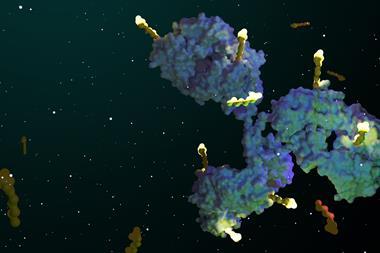
GT19630 is designed to disrupt this cycle by binding to both proteins and marking MYC for destruction through the cell’s natural protein recycling system. The drug also degrades GSPT1, causing levels of both proteins to fall and producing broader activity than targeting GSPT1 alone.
Activity in treatment-resistant disease
Preclinical models of leukaemia, lymphoma and multiple myeloma were highly sensitive to GT19630. The drug also remained effective against cells carrying TP53 mutations, which are often associated with treatment resistance.
The researchers also found evidence that GT19630 could help overcome resistance to venetoclax in acute myeloid leukaemia (AML). Resistant AML cells showed increased levels of MYC and GSPT1 and treatment with GT19630 restored sensitivity to venetoclax in preclinical models. In one model, the combination prolonged survival by more than 300 percent.
The researchers also examined stem-like AML cells, which can survive treatment and contribute to relapse. These cells often have higher MYC levels than normal blood-forming stem cells. Single-cell RNA analysis showed elevated MYC in TP53-mutant AML stem cells.
Their increased dependence on MYC made the cancer cells more sensitive to GT19630 while normal blood-forming stem cells were less affected, suggesting the potential for a therapeutic window.
Next steps for MYC targeting
The findings support further investigation of GT19630 as a potential approach to targeting MYC, although studies are needed to establish whether the therapy is safe and effective in patients.
The results also raise the possibility of using biomarkers to identify patients whose cancers have high MYC activity and may be more likely to respond.
“In addition to direct MYC inhibition, this approach harnesses the cell’s own natural processes to eliminate it,” Dr Andreeff said. “This concept could help expand the use of protein degraders against challenging targets and inspire new therapeutic strategies for proteins once considered beyond the reach of conventional therapies.”
Further research could assess GT19630 as a treatment for resistant or relapsed AML, either alone or in combination with other therapies.










No comments yet