



News – Page 5
-
 News
NewsAAX Biotech and evitria partner on antibody development
AAX Biotech has partnered with evitria AG to expand access to its Opti-mAb® platform, enabling earlier integration of stability-enhancing technology into antibody candidate design and multispecific format development.
-
 News
NewsNew imaging reveals how immune cells destroy cancer
Cryo-expansion microscopy has enabled researchers to visualise the three-dimensional organisation of cytotoxic T lymphocytes destroying cancer cells in their near-native state, revealing nanoscale structural details of the immune synapse and cytotoxic granules that could refine immuno-oncology therapeutic strategies.
-
 News
NewsRepurposed cancer drugs target root cause of Crohn’s Disease
Researchers at the University of Houston have identified epithelial stress signalling as a key driver of Crohn’s disease and demonstrated that two FDA-approved cancer drugs can interrupt the pathological cycle of cell death and inflammation.
-
 News
NewsNew approach targets ‘undruggable’ proteins in prostate cancer
A novel drug design strategy has achieved binding strengths up to a million times greater than previous approaches against intrinsically disordered proteins, potentially leading to new treatments for prostate cancer and other diseases involving these historically intractable targets.
-
 News
NewsAI system detects pain in laboratory mice through facial analysis
Researchers at ETH Zurich have developed an automated system that uses infrared imaging and artificial intelligence to assess pain in laboratory mice by analysing subtle facial expressions, offering a more consistent and humane alternative to traditional manual observation methods.
-
 News
NewsNew immune mapping reveals lung tumour microenvironment dynamics
VIB-VUB researchers have developed a patient-relevant lung adenocarcinoma model combined with SEPARATE-Seq technology to create detailed immune maps distinguishing tissue-infiltrating cells from circulating populations.
-
 News
NewsNew method streamlines C–N bond formation for amine synthesis
Researchers at the University of Wisconsin–Madison have reported a new approach to forming carbon–nitrogen bonds, a critical step in the synthesis of amines widely used in pharmaceuticals, agrochemicals and polymers.
-
 News
NewsNew strategy targets antibiotic resistance in cystic fibrosis
Researchers at the University of Texas at Austin have demonstrated that targeting a bacterial protein-folding pathway can disable antimicrobial resistance and cross-protection, restoring antibiotic susceptibility in preclinical models of cystic fibrosis infection.
-
 News
NewsOvarian follicles provide new platform for angiogenesis research
A novel microphysiological system using ovarian follicles enables physiologically relevant three-dimensional angiogenesis modelling within 24 hours, offering improved drug screening capabilities that distinguish therapeutic effects from general toxicity.
-
 News
NewsEli Lilly acquires CrossBridge Bio’s dual-payload ADC platform
Eli Lilly has acquired CrossBridge Bio, advancing a dual-payload antibody-drug conjugate platform developed at UTHealth Houston. The technology aims to deliver chemotherapy more precisely to tumour cells whilst minimising damage to healthy tissue, with lead candidate CBB-120 now positioned for accelerated clinical development.
-
 News
News10x Genomics launches Atera whole-transcriptome spatial biology platform
The new platform enables researchers to analyse gene expression and cellular organisation within intact tissue at single-cell resolution, supporting large-scale studies across fresh-frozen and FFPE samples. Early adopters include leading research institutions and global service providers, with cloud-based analysis tools and direct sample processing services now available.
-
 News
NewsCells use nanoparticle couriers to exchange biological information
University College Dublin researchers have discovered that cells use nanoparticle-based courier systems coated with proteins and RNA to exchange biological information. The findings detail how natural cellular gateways could be exploited to deliver therapeutic molecules to previously inaccessible locations, potentially changing the way RNA, gene and protein-based therapies work.
-
 News
NewsNew platform reveals shared drug targets across genetic mutations in cancer and neurodegeneration
Researchers have developed PerturbFate, a platform that simultaneously tracks gene expression, RNA dynamics and chromatin accessibility across thousands of genetic perturbations in single cells. Applied to melanoma drug resistance, the technology revealed that diverse mutations converge on shared regulatory nodes, offering a route to therapies targeting common mechanisms rather than individual genetic alterations.
-
 News
NewsNasal spray reverses age-related brain inflammation in preclinical study
Researchers at Texas A&M University have developed a nasal spray delivering extracellular vesicles that reverses neuroinflammaging in preclinical models. Two doses significantly reduced brain inflammation, restored mitochondrial function and improved memory within weeks, with effects persisting for months. The therapy bypasses the blood-brain barrier and targets inflammatory pathways whilst reactivating cellular energy production.
-
 News
NewsCircio and Acuitas partner on circular RNA CAR T therapy
Norway-based biotechnology company Circio Holding ASA has partnered with Acuitas Therapeutics to evaluate its circVec circular RNA platform for in vivo CAR T cell therapy. The collaboration will combine Circio’s technology, which reportedly delivers gene expression lasting up to six months in lymphocytes, with Acuitas’ lipid nanoparticle delivery system targeting specific T cell populations for potential applications in oncology and autoimmune diseases.
-
 News
NewsAI platform models protein flexibility to accelerate drug design
A new artificial intelligence platform developed at the University of Virginia addresses a critical limitation in computational drug design by modelling protein flexibility during molecular interactions. The suite of tools uses diffusion models to generate drug candidates whilst accounting for induced fit dynamics, potentially improving success rates in early-stage development.
-
 News
NewsELRIG launches inaugural US drug discovery conference 2026 in Cambridge, MA
ELRIG has announced Drug Discovery USA 2026, a free two-day conference at Pfizer Cambridge bringing together international researchers to address challenging therapeutic targets through advances in multifunctional small molecules and novel biologics.
-
 News
NewsOntario invests $3.1M in next-generation cancer therapeutics
The Ontario Institute for Cancer Research has awarded $3.1 million to four provincial research teams developing novel cancer therapies designed to overcome drug resistance and reduce treatment-related toxicity.
-
 News
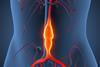
NewsOsteoporosis drugs may slow progression of aortic aneurysms
Researchers at Nagoya University have identified clonal haematopoiesis as a driver of aortic aneurysm progression and demonstrated that FDA-approved osteoporosis therapies targeting the RANK/RANKL pathway can significantly slow disease progression in preclinical models.
-
 News
NewsChampions Oncology to present eight studies at AACR 2026
Champions Oncology will present eight studies at AACR 2026 spanning KRAS-mutant tumours, ovarian cancer, glioblastoma and emerging therapies including radiopharmaceuticals and CAR-T, using patient-derived models to improve early-stage decision-making in oncology drug development.