Priming the immune system ahead of a stem cell transplant may be key to safer, more effective care for blood cancer patients, according to new research showing major reductions in transplant complications.
Researchers at the Sylvester Comprehensive Cancer Center, part of the University of Miami Miller School of Medicine, have discovered a new method that could make stem cell transplants safer and stronger for people with blood cancers. Their findings suggest that priming the immune system with a therapy designed to expand regulatory T cells (Tregs) before transplant can boost survival, protect organs and support a healthier gut microbiome.
Addressing a major risk in stem cell transplants
Allogeneic haematopoietic stem cell transplantation (aHSCT) is a vital treatment for many blood cancers and other serious conditions. However, it comes with the the potentially fatal risk of graft-versus-host disease (GVHD), a complication that occurs when donor immune cells attack the patient’s tissues.
Allogeneic haematopoietic stem cell transplantation (aHSCT) is a vital treatment for many blood cancers and other serious conditions.
Standard care often relies on powerful immune-suppressing drugs to prevent GVHD. While effective, these medications can bring side effects and leave patients highly vulnerable to infections.
This new research introduces an alternative: strengthening the patient’s own immune regulation before the transplant, rather than broadly shutting it down afterwards.
A novel protocol to expand protective immune cells
The researchers developed a protocol that stimulates the body to expand its population of regulatory T cells. These Tregs act as natural moderators of the immune system, helping it respond appropriately without causing inflammation.
“Our approach is about helping the patient’s own immune system create a safer environment for the stem cell transplant,” said Dr Robert Levy, Professor of Microbiology and Immunology at the Miller School and research leader. “We’re not just suppressing the immune response – we’re guiding it in key tissues involved following the transplant to promote success.”
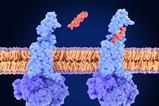
The researchers used a combination of TL1A-Ig fusion protein and low-dose IL-2 to activate TNFRSF25 and CD25 receptors on Tregs. This triggered the cells to multiply and migrate to crucial organs such as the colon, liver and eyes – areas commonly affected by GVHD.
Improved survival and a healthier microbiome
The preclinical studies demonstrated several benefits:
- Higher survival rates
- Lower GVHD severity and reduced weight loss
- Improved integrity of colon and liver tissues
- A more diverse, resilient gut microbiome
“We saw that expanding Tregs before transplant helped protect vital tissues organs and supported a healthier microbiome,” Levy said. “This could mean fewer complications and better recovery for patients.”
Crucially, the therapy did not hinder graft-versus-leukaemia (GVL) activity, the mechanism by which donor immune cells continue to fight remaining cancer cells.
“Our goal is to make transplants safer while still allowing the patient’s immune system to do its job against cancer,” Levy added. “We’re working toward therapies that are both effective and practical for real-world use.”
A step toward more accessible, personalised treatment
Unlike approaches that manipulate donor cells outside the body, the new protocol works entirely in vivo, expanding the patient’s own Tregs ahead of transplant. This could simplify treatment, lower costs and make it more widely accessible.
Unlike approaches that manipulate donor cells outside the body, the new protocol works entirely in vivo, expanding the patient’s own Tregs ahead of transplant.
“Personalised medicine is about tailoring treatments to each patient’s needs,” Dr Levy said. “By supporting the immune system and microbiome, we can help patients recover more smoothly.”
The team is now preparing to advance the approach into clinical trials, with hopes it may eventually become part of routine transplant care.
“We’re excited to continue this work and collaborate with clinicians to bring new therapies to patients,” Dr Levy concluded. “Every step forward brings us closer to safer, more effective transplants.”