New research shows beige fat around blood vessels helps regulate blood pressure, offering potential pathways for future therapies to reduce cardiovascular risk.
New research from the Rockefeller University suggests that beige fat surrounding blood vessels actively helps to regulate blood pressure, even in obesity, offering new data that could inform future therapies for cardiovascular disease.
High blood pressure, or hypertension, is one of the main contributors to heart disease and stroke, increasing sufferers’ likelihood of premature death. While lifestyle factors and genetics are well-known contributors, growing evidence highlights the role of fat tissue, or adipose tissue, in controlling vascular function. Crucially, it appears that the type of fat – rather than simply the quantity – may be the determining factor.
The protective role of beige fat
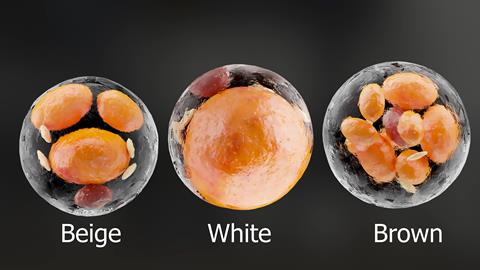
Unlike white fat, which is associated with higher blood pressure, brown and beige fat are linked to a lower risk of hypertension. These thermogenic fat types are best known for generating heat through metabolism. Beige fat surrounding blood vessels, known as perivascular adipose tissue (PVAT), possesses features of both white and brown fat.
Beige PVAT supports healthy blood vessels and blood pressure control, however, until now, the mechanisms by which these fat types influence cardiovascular function have been unclear.
Insights from genetically modified mice
Researchers, led by Dr Masha Koenen, postdoctoral fellow at the Rockefeller University, used mice engineered to lack functional beige fat to examine its role in vascular health. The team focused on the protein PRDM16, a key regulator of the adipose ‘beiging’ process. Mice deficient in PRDM16 demonstrated extensive changes in PVAT structure, including vascular fibrosis, increased vasoconstriction and elevated blood pressure – even in the absence of obesity.
Mice deficient in PRDM16 demonstrated extensive changes in PVAT structure.
The study further revealed that PRDM16 deficiency lowered levels of the circulating enzyme QSOX1. Most notably, deleting the QSOX1 gene in PRDM16-deficient mice prevented vascular fibrosis, restored vascular function and reduced blood pressure.
Implications for human health
Beyond animal models, the researchers performed a meta-analysis of genome-wide association studies using data from three biobanks. They found that variations in the human PRDM16 gene were linked to higher blood pressure, indicating a potential relevance to human cardiovascular disease.
Potential for future therapies
The study provides strong evidence that beige fat is more than just an energy-burning tissue: it actively protects blood vessels and moderates blood pressure. This could lead to future drug development aimed at enhancing the beiging process or stabilising PRDM16 activity. These potential therapies could one day complement traditional treatments for hypertension, offering a new route to reduce cardiovascular risk, particularly in individuals with obesity.