
From fragments to maps: scaling drug–target interaction data
Most drug–target data were never designed to be compared at scale. Pharmome mapping takes a different approach, building a shared dataset intended to support more predictable discovery.

List view / Grid view
A drug target is anything within a living organism to which a drug is directed and/or binds, resulting in a change in its behaviour or function.
Most drug–target data were never designed to be compared at scale. Pharmome mapping takes a different approach, building a shared dataset intended to support more predictable discovery.

Proteins are often studied as static structures, yet they behave dynamically in living systems. Tiffanwy Klippel-Cooper of OmnigeniQ explains how physics-based modelling could help researchers better understand drug targets.
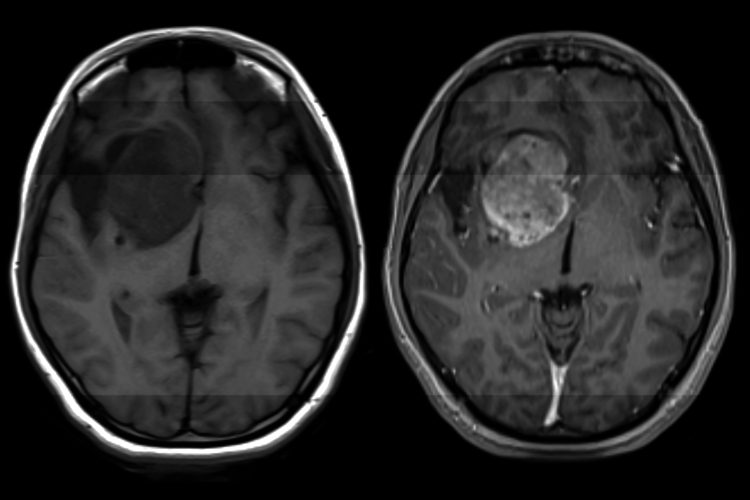
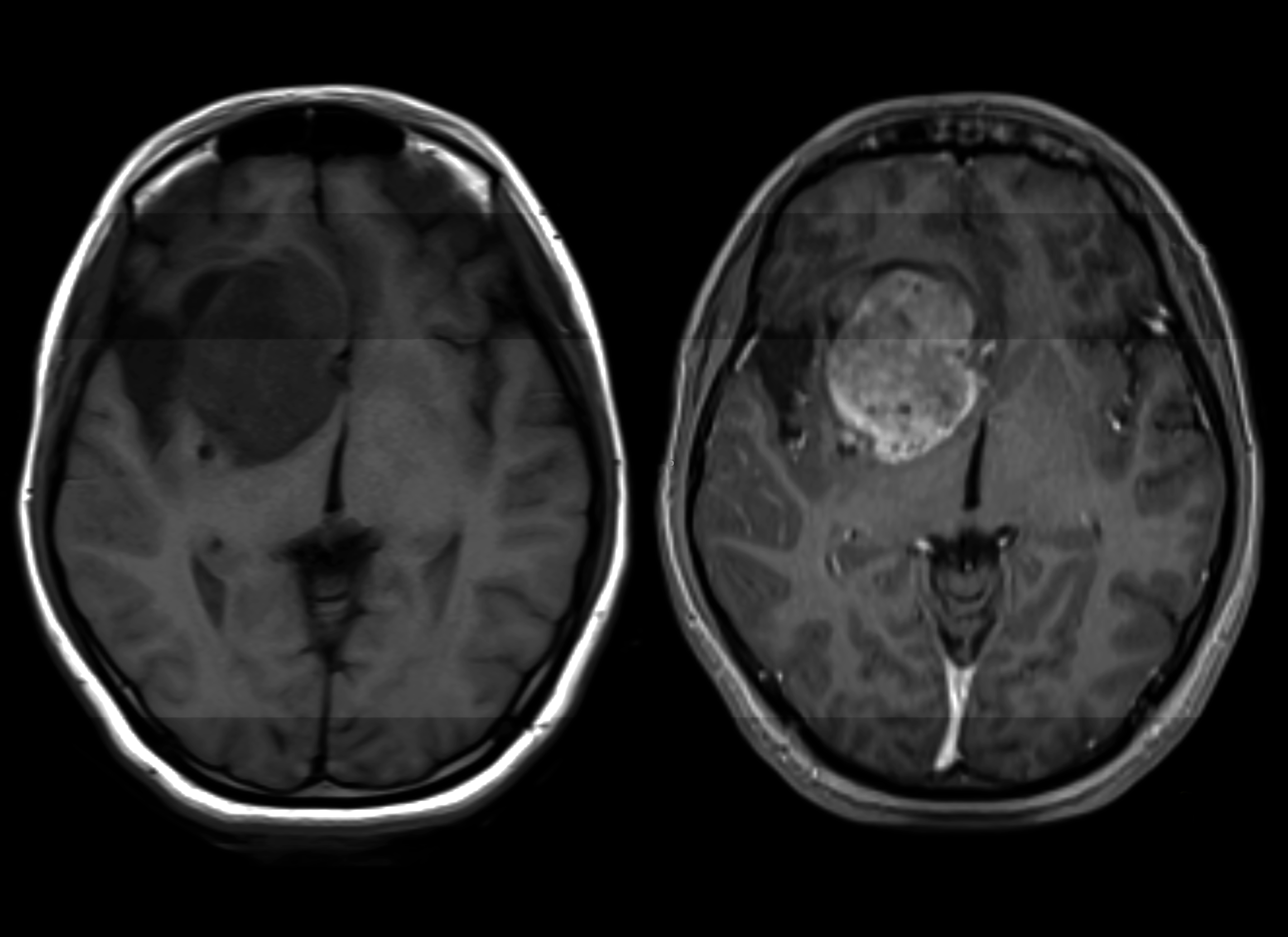
Australian researchers have discovered a hidden role for the protein CD47 in driving the growth and spread of glioblastoma, revealing a new molecular pathway that could lead to more effective treatments.
Scientists have developed a new fluorescent imaging method to track the growth of Toxoplasma gondii in real time, revealing its unusual cell cycle, which could help to develop new effective treatments.
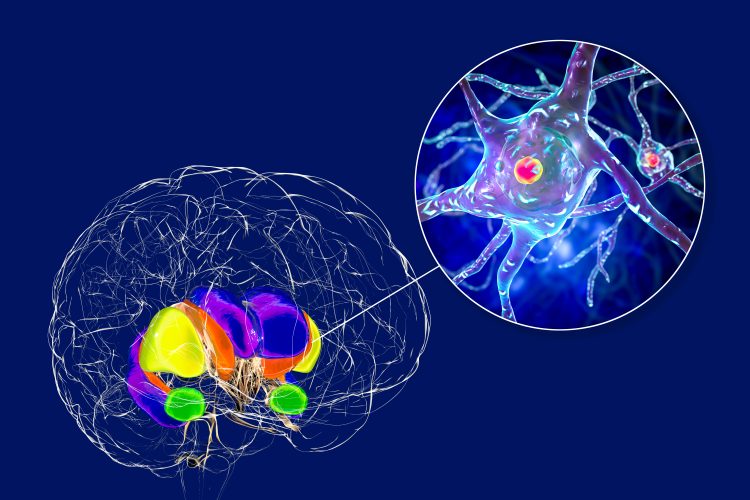
Scientists have discovered a previously unknown pathway that allows toxic proteins linked to Huntington’s disease to spread between brain cells.
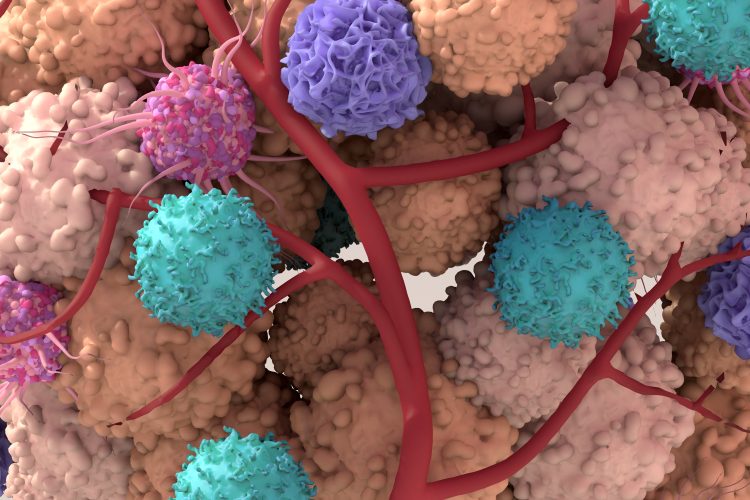
Neil Bhowmick explores how understanding the mechanisms of cancer drug resistance has reframed our approach to treatment, revealing containment and control as realistic goals for therapeutic strategies.
Scientists have identified a new schizophrenia biomarker and potential peptide treatment that could target cognitive symptoms caused by the condition.
Scientists have discovered how an imbalance in gut bacteria can accelerate chronic kidney disease, with early findings pointing to a potential drug that could interrupt the damaging cycle and improve outcomes.
A landmark study reveals that KMA and LMA selectively identify malignant plasma cells while sparing normal antibody-producing cells, addressing key efficacy and safety gaps in myeloma, AL amyloidosis and post BCMA relapse.
Scientists have identified a key link between blood inflammation and immune suppression in bladder cancer, helping explain why some patients do not respond to immunotherapy.
Dr Raminderpal Singh interviews Dr Jack Scannell on his six-week transformation from coding spectator to genomic data practitioner.
A key player in brain communication and mood regulation, the pharmaceutical industry views the NMDAR as the central pillar for next-generation therapies for depression. Dirk Beher from FundaMental Pharma reveals new strategies for targeting this important receptor.
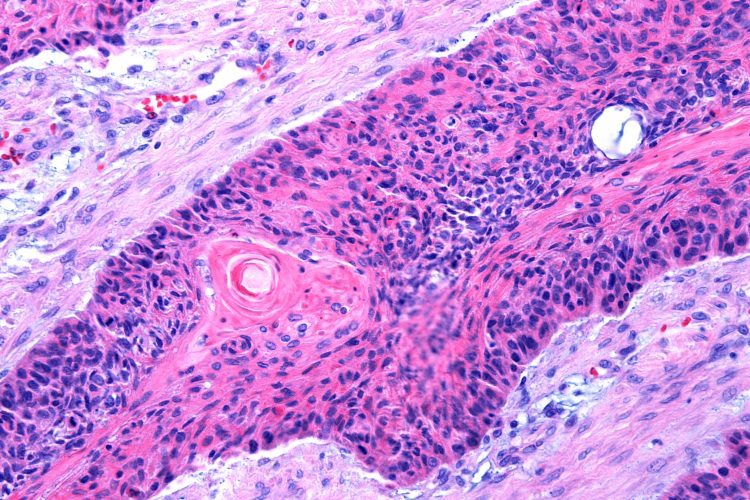
A topical cream that activates the skin’s immune defences has been shown to suppress tumour growth in early models of cutaneous squamous cell carcinoma.
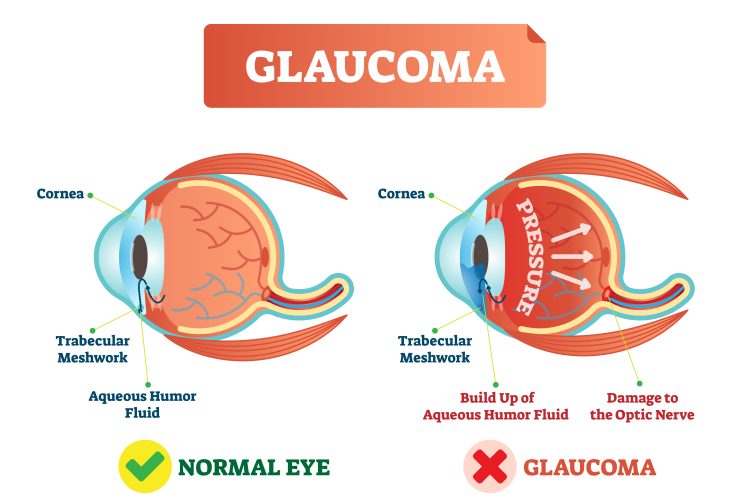
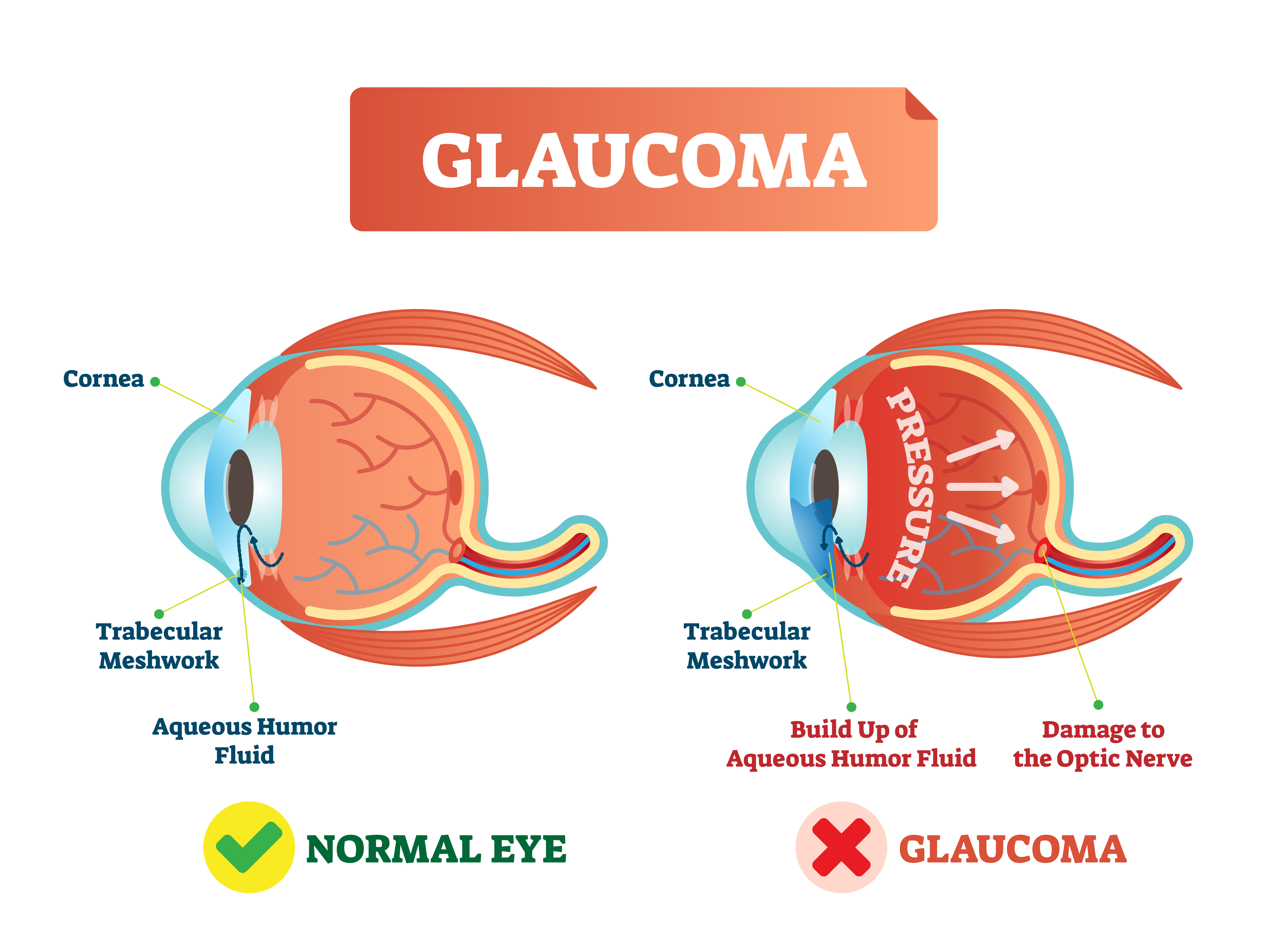
Scientists have discovered that specialised immune cells in the eye help keep its drainage system clear and regulate pressure, which could inform new treatments for glaucoma.
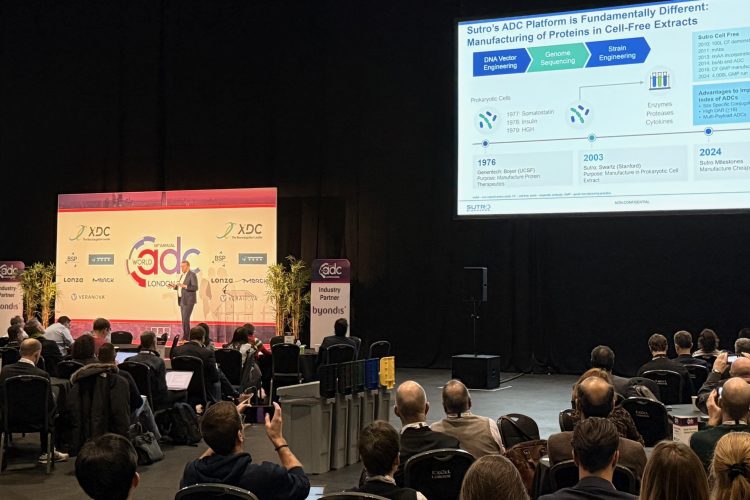
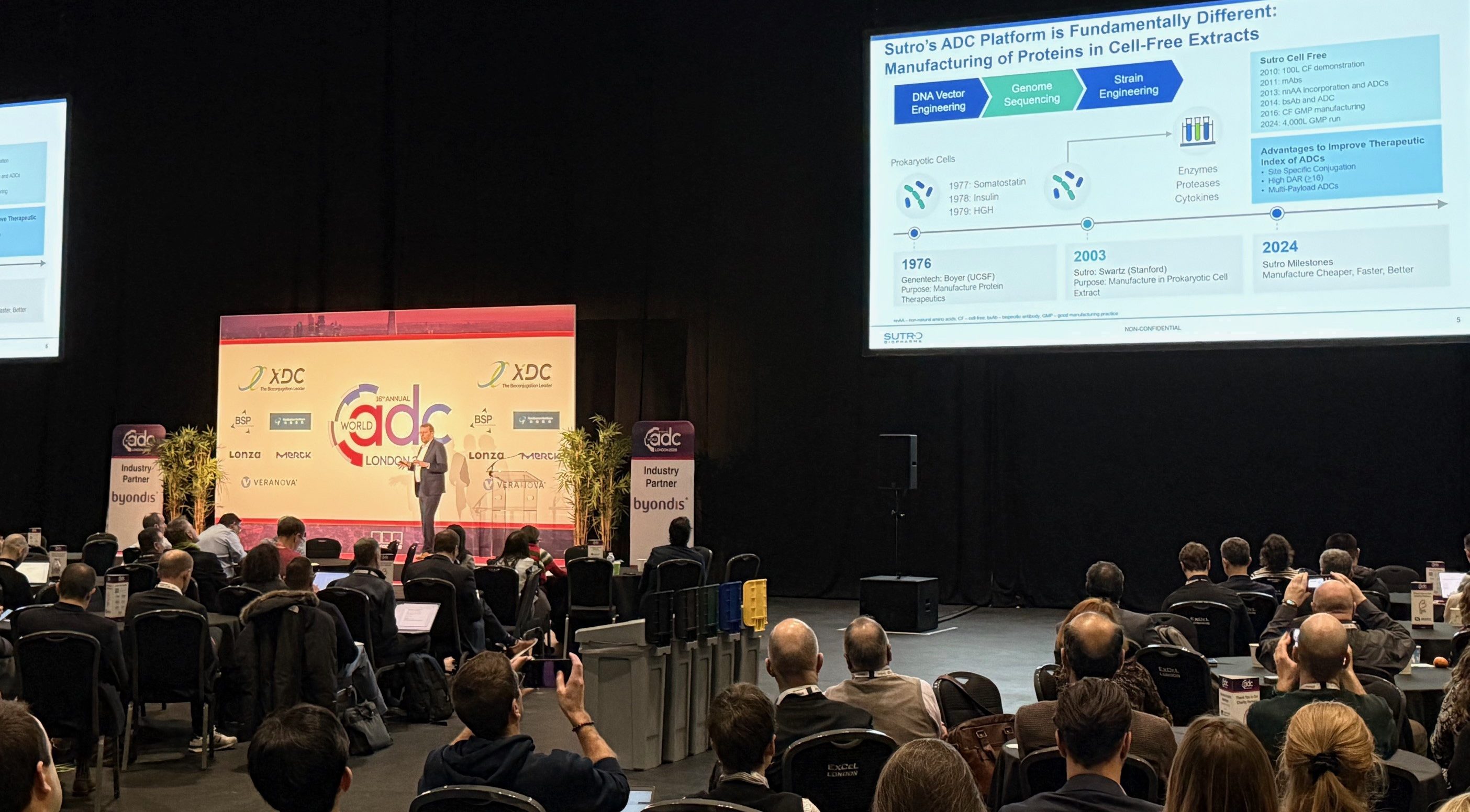
At World ADC London 2026, experts highlighted how advances in payload design, targeting strategies and AI-driven discovery are changing antibody–drug conjugate development.