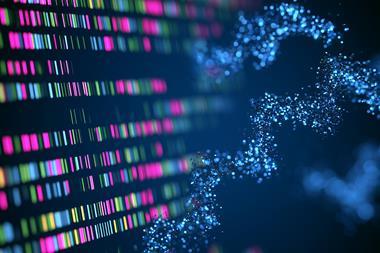
Early drug discovery has no shortage of genomic data, but confidence remains scarce. This report examines how CRISPR, functional genomics and human-relevant models are being applied to determine which signals matter, how they influence disease biology and which targets and strategies are worth pursuing.
Genomics is now central to early drug discovery, yet uncertainty remains high. Genome-wide association studies generate thousands of signals, CRISPR screens produce long lists of hits and single-cell datasets grow larger by the year. What remains difficult is determining which signals are causal, which mechanisms matter and which targets justify further investment.
This report brings together practical perspectives on how CRISPR, human genetics, single-cell and RNA-based technologies are applied in practice to test causality and link genetic signals to disease mechanisms in human-relevant systems.
Inside the report:
- CRISPR-based perturbation data for testing causality beyond genetic association
- Single-cell and multiomics readouts linking genetic risk to disease mechanisms
- Regulatory RNAs and antisense approaches as strategies for loss of function disease
- CRISPR-edited human stem cell models for early target and biomarker discovery
- Design, control and validation of functional genomics screens for decision-making
- Non-coding genetic variation and genome architecture connecting human risk to therapeutic targets.
The report includes contributions from Dr Emmanouil Metzakopian (CellCodex), Prof. Neville Sanjana (New York Genome Center and New York University), Dr Dan Tardiff (CAMP4 Therapeutics), Dr Beenish Rahat (National Institutes of Health), Dr Salman Tamaddon-Jahromi (University of Cambridge) and Dr Mark Bodmer (Nucleome Therapeutics).
Taken together, these perspectives outline how genomic evidence can be generated and applied early in discovery to support causal inference, target prioritisation and investment decisions.
Access the full report >>
Download Now
CRISPR & Genomics: Turning Data into Confident Drug Discovery Decisions


Topics
- Analytical Techniques
- Artificial Intelligence (AI)
- Assays
- Biomarkers
- CRISPR
- Drug Development
- Drug Discovery
- Drug Discovery Processes
- Drug Targets
- Genome Editing
- Genomics & Sequencing
- High-Throughput Screening (HTS)
- Hit-to-Lead
- Informatics
- Molecular Biology
- Neurological disorders
- Precision Medicine
- RNAs
- Stem Cells
- Technology
- Tools and techniques
- Translational Science