
Featured content
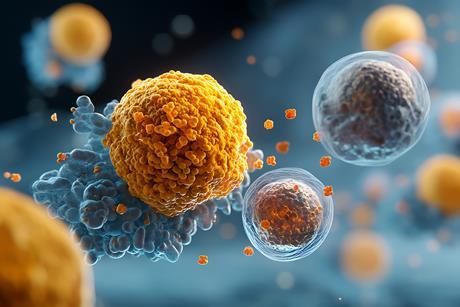
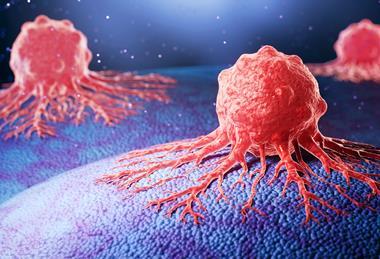
How dormant cancer cells protect pancreatic tumours from CAR T therapy
Researchers have discovered how dormant pancreatic cancer cells manipulate their surroundings to evade CAR T-cell therapy, identifying a potential therapeutic target for overcoming treatment resistance.
 Article
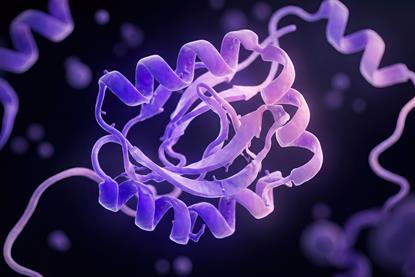
What a protein damage score can, and can’t, tell drug developers
Protein damage could provide a valuable readout for evaluating potential anti-ageing therapies, but reducing complex biological responses to a single score raises important questions about interpretation and validation.
 Article
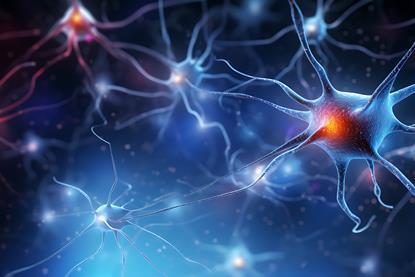
Searching for Alzheimer’s drug targets, one cell at a time
The PsychAD Consortium is using human genetics, single-cell genomics and automated screening to pinpoint potential drug targets for Alzheimer’s disease and investigate their therapeutic potential.
 Article
Why better technology does not always lead to better R&D decisions
Making better decisions in drug discovery is not down to implementing more tools. Here, Dr Harsh Shah reveals why teams must start by defining the scientific question.
News
 News
CAR T cell persistence linked to serious gut complication in myeloma
Patients with multiple myeloma who develop a rare but life-threatening gastrointestinal complication following CAR T cell therapy show more than 100 times the average level of long-term CAR T-cell persistence in their bloodstream, MD Anderson researchers report.
 News
siRNA therapy shows preclinical promise against rare metabolic disorder
A liver-targeted siRNA therapy developed at Duke University has demonstrated preclinical efficacy in mouse models of glutaric aciduria type I.
 News
NRF2 helps cancer cells neutralise formaldehyde while evading cell death
A study led by the Josep Carreras Leukaemia Research Institute has uncovered how cancer cells manage formaldehyde toxicity without compromising their defences against ferroptosis.
 News
Engineered Salmonella strain reduces tumour growth in breast cancer models
A genetically attenuated strain of Salmonella Typhimurium carrying both a pro-apoptotic protein and immune-stimulating epitopes has demonstrated significant reductions in tumour growth and metastatic spread in preclinical models of aggressive breast cancer.
From our partners
Report
Lab Automation 2026: Improving screening reliability and reproducibility in drug discovery
Laboratory automation in drug discovery can increase the number of compounds teams screen. But how do researchers decide which results are worth following up? In Lab Automation 2026, six researchers and industry specialists share practical lessons on validating screening hits, improving reproducibility in complex cell assays and deciding where automation can make the greatest difference.
Webinar
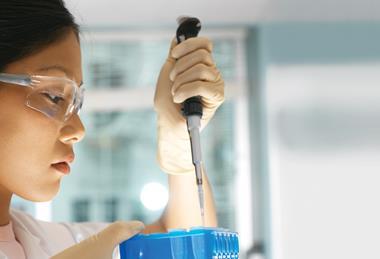
From vial to viable: best practices for culturing organoids
Poor recovery, inconsistent growth and changes in morphology can affect organoid research. How much experimental variability starts with the culture itself?
Opinion and interviews
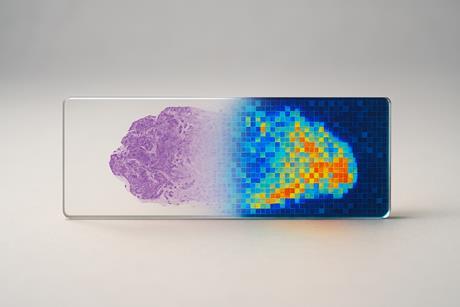
How multiomics can strengthen drug target discovery
How can multiomics help researchers identify more promising drug targets? Dr Shi-qi An explores how combining molecular data can reveal therapeutic vulnerabilities and mechanisms of drug resistance.
- Previous
- Next






Join now
Unlock exclusive industry insights
- Bookmark articles and resources to access anytime
- Enjoy free access to industry leading resources, webinars and insights
- Stay informed with the latest news and breakthroughs
- Receive updates and recommendations tailored to your research interests
Upcoming Webinars
Webinar
From vial to viable: best practices for culturing organoids
Poor recovery, inconsistent growth and changes in morphology can affect organoid research. How much experimental variability starts with the culture itself?
From vial to viable: best practices for culturing organoids
- Previous
- Next
On-demand Webinars
- Previous
- Next