
New therapies boost deep brain stimulation accuracy in epilepsy
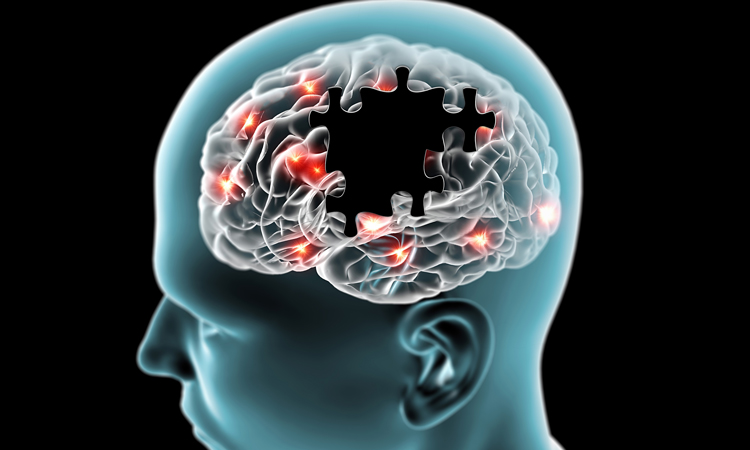
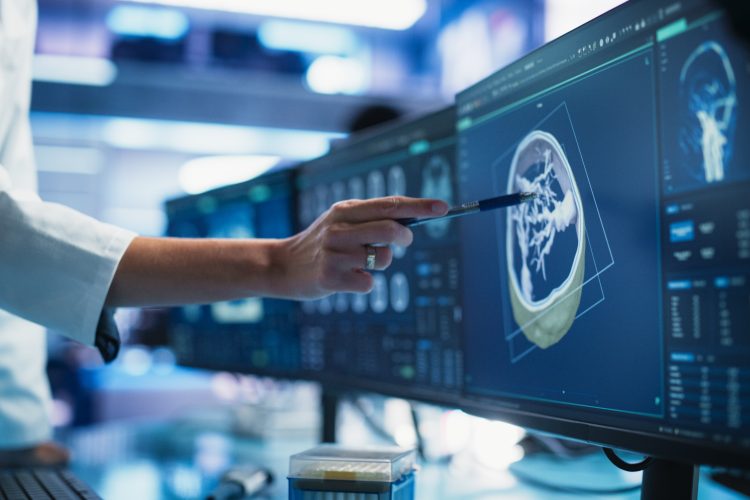
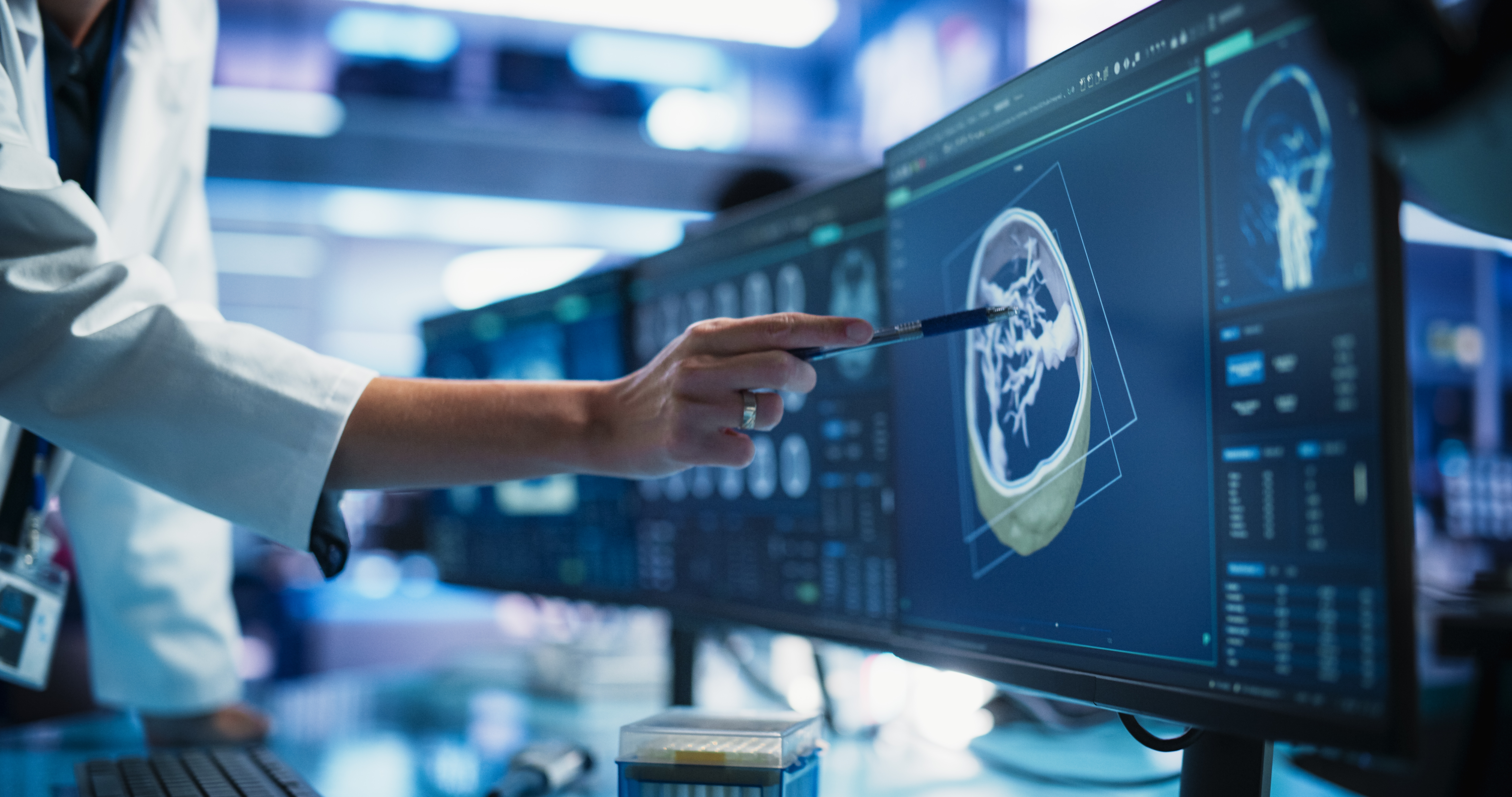
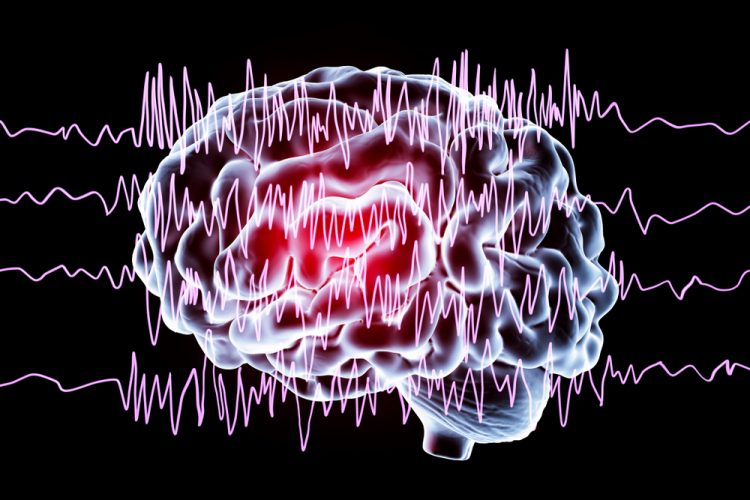
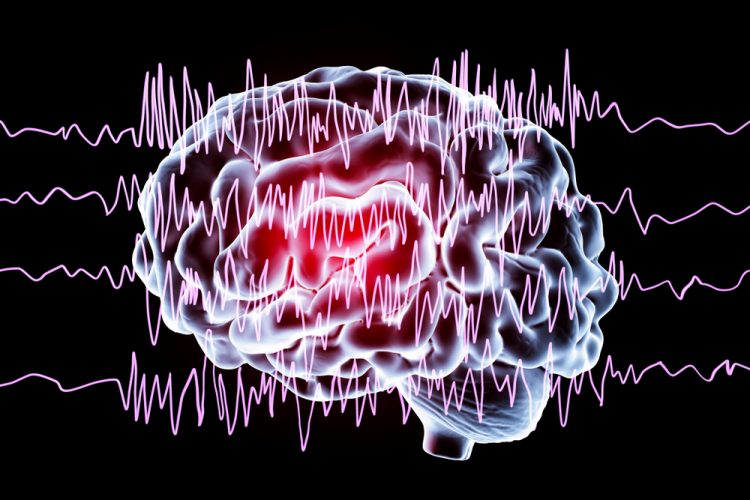
In a new study, researchers have discovered that deep brain stimulation targeting the centromedian nucleus could help patients with drug-resistant epilepsy improve seizure control.

List view / Grid view
In a new study, researchers have discovered that deep brain stimulation targeting the centromedian nucleus could help patients with drug-resistant epilepsy improve seizure control.

Helmholtz Munich and Parse Biosciences have collaborated to create the world’s largest lung disease perturbation atlas – which could aid the discovery of new therapeutic targets and accelerate the development of future lung disease treatments.
From gene therapy to Long Covid, better assays are helping researchers move promising drug candidates from early studies into clinical trials. Dr Alexandre Lucas explains the technologies, challenges and innovations driving this progress.
Circulating tumour cell (CTC)-derived organoids are changing cancer research, providing scientists with a powerful tool for studying drug resistance and informing the development of new personalised therapies.
With few antiviral options available to immunocompromised patients, a new generation of therapies - like AIC468 - is aiming to change that.
A new research study has discovered that targeted antioxidants could restore T cell function – offering a potential boost for cancer immunotherapies like CAR-T.
Researchers at the University of Birmingham have developed a single-cell technique to track boron inside live tumour cells – making Boron Neutron Capture Therapy more effective in treating head and neck cancers.
Researchers have developed the first high-throughput tool to rapidly profile RNA modifications – a breakthrough that could lead to more precise treatments for cancer and antibiotic-resistant infections.
CAR T therapies are saving lives, but toxicities such as CRS and ICANS remain a major barrier. What will it take to overcome them?
AI is increasingly used in drug discovery, but hidden bias and ‘black box’ models threaten trust and transparency. This article explores how explainable AI can turn opaque predictions into clear, accountable insights.
A new study has revealed that the protein GPNMB alters immune cells to aid cancer spread – pointing to the GPNMB-Siglec-9 pathway as a potential target for future treatments.
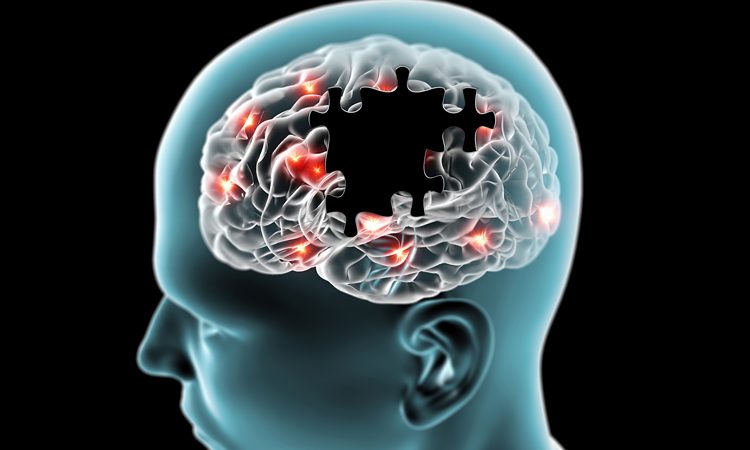
Researchers have discovered that Alzheimer’s disease is driven by a deeper loss of gene regulation in brain cells – offering potential new targets for future therapies.
By combining human tissue models with explainable AI, researchers can analyse complex patient data to identify which treatments work best for which patients. First applied to inflammatory bowel disease, this approach could improve clinical trial success rates across many diseases.
From precision proteomics to AI-powered immune profiling, next-generation laboratory technologies are changing how new therapies are discovered and developed. Here are four innovations set to shape the lab of the future - and the future of drug discovery.
King’s College London and Medicines Discovery Catapult have secured £400,000 from The Brain Tumour Charity to fast-track a new drug delivery approach for glioblastoma, the most aggressive brain cancer. The project will support preclinical studies to move potential treatments closer to patients.