



All Drug Development articles – Page 3
-
 News
NewsMechanical forces key to realistic organ-on-chip laboratory models
A new review highlights how physical forces such as blood flow, breathing and tissue stiffness must be replicated alongside biochemical signals to produce physiologically accurate organoid and organ-on-chip models for disease research and drug testing.
-
 News
NewsNew BET inhibitors could overcome barriers in solid tumour treatment
A new review examines how advances in drug design, PROTAC degraders and combination therapies are reviving the clinical prospects of BET inhibition in solid tumours, after early-generation compounds were hampered by toxicity, resistance and modest efficacy.
-
 News
NewsKCL-286 targets multiple Alzheimer’s pathways in preclinical study
A repurposed small molecule originally developed for spinal cord injury has demonstrated the ability to address multiple disease-relevant pathways in Alzheimer’s disease, including DNA damage and neuroinflammation, offering a potential route to disease-modifying therapy.
-
 News
NewsInsilico Medicine launches Phase III trial of AI-designed Rentosertib drug
Insilico Medicine has advanced its AI-discovered TNIK inhibitor Rentosertib into a 320-patient Phase III trial for idiopathic pulmonary fibrosis, marking a landmark moment for generative AI drug discovery.
-
 News
News15-PGDH enzyme inhibition protects brain cells in Parkinson’s disease models
Researchers have identified 15-PGDH enzyme inhibition as a neuroprotective strategy in Parkinson’s disease, with repurposable compounds already in clinical development offering a potential shortcut to disease-modifying therapies.
-
 News
NewsDual antibody cocktail offers complete Nipah virus protection
Researchers at Mount Sinai have developed the first fully human monoclonal antibody cocktail to provide complete protection against Nipah and Hendra viruses in preclinical models, offering a potential blueprint for treating high-consequence zoonotic pathogens with no approved therapies.
-
 Article
From R&D to QC: building a single analytical strategy for cell and gene therapies
From early research to quality control, maintaining analytical continuity is no easy task. Could a single sequencing workflow help simplify analytical assessment?
-
 Article
Antibody recycling, FcRn and the next generation of biologics
One receptor can protect antibodies from degradation, extend their half-life and become a drug target itself. Explore the science behind FcRn and how researchers measure its function.
-
 News
NewsTranexamic acid cuts post-hepatectomy liver failure risk threefold
An international multi-centre study has found that tranexamic acid, a widely available and inexpensive haemostatic agent, could reduce the risk of post-hepatectomy liver failure threefold, offering a potential new preventive strategy for one of liver surgery’s most feared complications.
-
 Interview
The global push to reduce animal testing in drug development
Non-animal methods are already used throughout early drug discovery, yet animal testing continues to dominate regulatory safety assessment. Recent initiatives suggest change is coming, but significant scientific and practical challenges remain.
-
 Article
Drug development has changed. Bioanalysis is changing with it
As drug developers pursue increasingly complex therapies, traditional bioanalytical approaches are being put to the test. How is the field adapting to meet these new demands?
-
 News
NewsLabGenius and LG Chem partner on AI-driven cancer antibodies
LabGenius Therapeutics has partnered with LG Chem to develop next-generation multispecific antibodies targeting solid tumours. The collaboration combines AI-driven drug discovery with oncology development expertise to identify therapeutics with improved selectivity and reduced toxicity.
-
 News
NewsEuropean initiative aims to bring molecular dynamics into mainstream drug discovery
What if the vast amounts of data generated by molecular dynamics simulations could be routinely shared and reused? A new €10 million European initiative aims to do just that, helping researchers gain a deeper understanding of protein behaviour and drug-target interactions.
-
 News
NewsAI-powered $6M project targets new Alzheimer’s treatments
A $6 million NIH-funded collaboration between Indiana University School of Medicine and Luddy School of Informatics aims to deploy AI and machine learning to identify promising Alzheimer’s drug candidates, screening billions of compounds to overcome traditional discovery bottlenecks.
-
 News
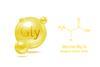
NewsGlycine transporter suppression restores NMDAR function in autism models
Researchers have identified a novel therapeutic strategy for autism spectrum disorder by suppressing the glycine transporter SLC6A20, successfully restoring NMDA receptor function in both mouse models and human cortical organoids carrying SHANK2 and SHANK3 mutations.
-
 Article
Flow-based human tumour models reveal immune responses missed by static culture
Static cultures can miss critical immune–tumour interactions. Learn how the Mera™ flow-based human tissue model better captures T-cell activity to strengthen preclinical immunotherapy research.
-
 Article
AACR 2026 part two: integrating AI, spatial biology and next-gen therapeutics
In part two of our AACR 2026 coverage, industry leaders were focussed on how the field is no longer constrained by data generation or molecular design, but by the challenge of connecting systems, standardising workflows and ensuring biological insights.
-
 News
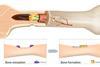
NewsNotch2 enables breast cancer dormancy in protective bone marrow niches
New research has demonstrated how breast cancer cells exploit protective bone marrow niches to remain dormant for years, identifying Notch2 signalling and stem cell-like markers as key regulators of cellular dormancy that could inform therapeutic strategies to prevent relapse.
-
 Report
AI in Drug Discovery: Progress, Limits and What Comes Next
AI has attracted enormous investment across drug discovery, but major questions still remain around validation, reproducibility and real-world application. In our latest Beyond the Lab report, experts discuss where the technology is starting to influence discovery workflows – and where limitations continue to slow adoption.
-
 News
NewsELRIG announces keynote speakers for Drug Discovery 2026 conference in London
ELRIG has announced its keynote speaker programme for Drug Discovery 2026, with LifeArc’s Dr Sam Barrell CBE delivering the opening address.