



All Drug Development articles – Page 2
-
 News
NewsFirst multi-responsive foldamer-based gel offers new approach to controlled drug delivery
Researchers at the University of Birmingham have engineered a switchable gel built from synthetic foldamer molecules that responds to light, heat and acid — a platform with potential implications for controlled drug delivery and targeted therapeutic release.
-
 Article
Targeting childhood myopia progression with 7-methylxanthine
Childhood myopia researcher Dr Klaus Trier explores how 7-methylxanthine targets scleral remodelling and axial elongation, and its potential to slow disease progression and reduce the risk of high myopia.
-
 News
NewsTissue chips target immunotherapy toxicity prediction without animal models
Researchers at the University of Rochester have developed human cell-based tissue chips designed to predict serious immunotherapy toxicities, including cytokine release syndrome, and have secured entry into the FDA’s ISTAND pilot programme.
-
 Article
Reducing drug development failures with human-relevant models and AI
Professor Joseph C. Wu of Stanford University explains how stem cells, human-relevant models and AI are helping researchers predict which drug candidates are most likely to succeed before clinical trials.
-
 News
NewsInsilico Medicine nominates AI-designed candidate for ocular diseases
Insilico Medicine has nominated ISM9077, an AI-designed small molecule targeting pathological inflammation, as its 32nd preclinical candidate since 2021, with potential applications across dry AMD, uveitis and dry eye disease.
-
 News
NewsWhat Google’s AI talent exodus could mean for future drug discovery
The departure of leading AI researchers from Google to found Discovery Loop raises important questions about the future direction of artificial intelligence in scientific research and drug development.
-
 News
NewsWhat Oblenio’s Phase I trial means for autoimmune drug discovery
Oblenio Bio has dosed the first patients in a Phase 1a trial of LBL-051, a tri-specific T cell engager designed to simultaneously target CD19, BCMA and CD3 and eliminate both B cells and plasma cells in a bid to achieve durable immune reset in refractory autoimmune diseases.
-
 News
NewsVY1706 Alzheimer’s gene therapy achieves 75 percent tau reduction in preclinical study
Voyager Therapeutics has presented six-month GLP toxicology data for VY1706, its investigational tau-targeting gene therapy, showing durable tau reductions of up to 75 percent and a clean safety profile in non-human primates, as the company prepares to begin first-in-human dosing in the second half of 2026.
-
 News
NewsBMP3 protein identified as therapeutic target for pulmonary arterial hypertension
Scientists at the Fralin Biomedical Research Institute have identified bone morphogenetic protein 3 as a protective factor in lung blood vessels, with preclinical data showing that restoring its levels can reverse hallmark features of pulmonary arterial hypertension.
-
 Article
Understanding the toxicology endpoints that matter in ADC development
Antibody-drug conjugates (ADCs) present unique toxicology challenges. Learn which endpoints matter most, how they inform development decisions and why they are essential for building a robust nonclinical safety strategy.
-
 News
NewsInsilico Medicine launches AI drug discovery benchmarking platform
Insilico Medicine has unveiled a benchmarking platform designed to assess whether AI models can perform genuine drug discovery tasks, using decontaminated real-world datasets and proprietary validated programmes to move beyond inflated benchmark scores.
-
 Article
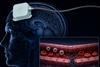
Why the blood–brain barrier blocks most drugs – and how ultrasound could help
The blood–brain barrier protects the brain from harmful substances, but it also prevents many medicines from reaching their target. Researchers are investigating whether focused ultrasound could safely improve drug delivery.
-
 News
NewsOral antiviral GHP-88310 candidate shown to block measles transmission in ferret model
An experimental oral antiviral has demonstrated the ability to prevent both airborne and contact-based transmission of a measles surrogate virus in ferrets, offering a potential new tool to complement vaccination during outbreaks.
-
 News
NewsInsilico Medicine nominates ISM9528 non-opioid chronic pain candidate using AI
Insilico Medicine has nominated ISM9528, an orally available, brain-penetrant non-opioid candidate targeting a previously unrecognised pain mechanism, as its 31st AI-generated preclinical compound since 2021, with efficacy exceeding morphine in some preclinical models.
-
 Article
Making historical toxicology data work harder in safety assessment
Historical toxicology data is often underused. Find out how Virtual Control Groups and AI could help researchers strengthen safety assessment while making better use of existing data.
-
 News
NewsCrown Bioscience joins C-Path coalition advancing regulatory NAMs acceptance
Crown Bioscience has joined the Critical Path Institute’s New Approach Methodologies Developer Coalition, bringing patient-derived model expertise and biomarker capabilities to efforts aimed at establishing regulatory qualification frameworks for human-relevant research tools.
-
 News
NewsNew drug SB-0110 targets levodopa’s two biggest clinical limitations for Parkinson’s
A computational biology-derived compound has shown promise in preclinical models by simultaneously improving levodopa response and reducing dyskinesia — two of the most significant challenges in long-term Parkinson’s disease management.
-
 News
NewsNTX-301 targets treatment-resistant AML via Hippo pathway in preclinical study
A novel epigenetic therapy has demonstrated activity against treatment-resistant acute myeloid leukaemia in preclinical models, including high-risk TP53-mutant disease, by selectively reactivating the Hippo tumour-suppressor pathway.
-
 News
NewsNew BET therapies could help beat resistance in solid cancers
A new review finds that next-generation BET-targeted therapies, including selective inhibitors and PROTACs, are addressing the clinical shortcomings of earlier compounds and reviving interest in this approach for solid tumour treatment.
-
 News
NewsAUTAC strategy targets MCL1 to overcome myeloma treatment resistance
Scientists at VCU Massey Comprehensive Cancer Center have developed an autophagy-targeting chimera that redirects cancer cells’ own recycling machinery to degrade the survival protein MCL1, offering a potential new strategy to overcome treatment resistance in multiple myeloma.