



All Drug Discovery Processes articles
-
 Article
Operational data: the hidden driver of faster drug discovery
The key to faster, smarter drug discovery lies in data that’s often overlooked. By exposing hidden delays and inefficiencies, this data enables teams to shorten discovery cycles and progress promising candidates faster.
-
 News
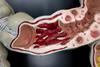
NewsAI discovers peptide that eases ulcerative colitis symptoms
Researchers at First Hospital of Jilin University have used machine learning to identify antimicrobial peptides with therapeutic potential for ulcerative colitis. The AI-driven approach screened over 6,000 candidates, identifying a lead peptide that demonstrated superior efficacy to standard treatments in preclinical models by reducing inflammation, restoring gut barrier integrity and selectively modulating the microbiome.
-
 News
NewsPRI-101 could become first disease-modifying Parkinson’s drug
Biotechnology company Priavoid GmbH has announced proof-of-concept data for PRI-101, an orally available peptide drug targeting neurodegeneration. Preclinical studies demonstrate the experimental therapy reduces toxic α-synuclein aggregates across multiple Parkinson’s disease models, with evidence of blood-brain barrier penetration and improved survival outcomes.
-
 News
NewsSonoPIN ultrasound method shows promise for targeted cancer therapy
A new ultrasound-based technique developed by researchers at Duke University uses microbubbles to deliver cancer drugs directly into tumour cells, showing promise for highly targeted treatments that cause minimal damage to healthy tissue.
-
 News
NewsELRIG announces keynote speakers for Advances in Cell-based Screening 2026 in Gothenburg
ELRIG has announced the keynote speakers for its 2026 Advances in Cell-based Screening conference in Gothenburg, where scientists will gather to explore how human-first models, advanced cell biology and AI are changing the future of drug discovery.
-
 News
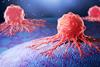
NewsDeep-sea compound yaku’amide B shows new cancer-fighting mechanism
Japanese researchers have discovered how yaku’amide B, a rare compound from deep-sea sponges, targets aggressive cancer cells.
-
 Article
Preclinical takeaways from the World ADC Conference London
Experts from the World ADC Conference in London highlight how patient-centric, predictive preclinical tools and innovative ADC designs are improving safety, efficacy and clinical translation.
-
 News
NewsBlocking growth hormone may improve resistant lung cancer treatment
Ohio University researchers have discovered that blocking the growth hormone receptor could make lung cancer treatments more effective, offering potential new treatments for patients with therapy-resistant tumours.
-
 News
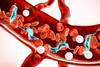
NewsPEX38 protein identified as drug target for trypanosome parasites
A newly identified protein essential to the survival of trypanosome parasites could offer a highly targeted route for future drug development.
-
 News
NewsHow tuberculosis bacteria outsmart human immune cells
Scientists have discovered how tuberculosis bacteria stiffen immune cell membranes to survive inside the body, a breakthrough that could lead to the development of new TB treatments.
-
 News
NewsMessy lipid nanoparticles deliver RNA more effectively
New research shows that lipid nanoparticles used in mRNA vaccines may deliver RNA more effectively when their structure is disorganised.
-
 News
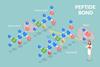
NewsNew method boosts production of non-natural amino acids for peptide assembly
A team of researchers has developed a faster, simpler method for creating non-natural amino acids and assemble them into peptides, a breakthrough that could accelerate peptide research and provide new tools for designing drugs.
-
 News
News$3.2m project targets aggressive MDM2 in breast cancer
A University of Houston scientist has joined a $3.2 million research collaboration to develop a new drug targeting one of the key drivers of triple-negative breast cancer.
-
 Article
Vibe coding 101 for drug discovery scientists
Find out how AI-assisted development is democratising software creation in life sciences.
-
 News
NewsInsilico and MSK partner on AI research for gastroesophageal cancer
A new research collaboration between Insilico Medicine and Memorial Sloan Kettering Cancer Center aims to harness generative AI technology to identify novel therapeutic targets for gastroesophageal cancers.
-
 News
NewsAMD3100 drug could boost immunotherapy in rare liver cancer
A rare liver cancer that primarily affects young people may soon have a new treatment option, after researchers found that an existing FDA-approved drug could enable immunotherapy to work effectively against tumours.
-
 News
NewsNew organoid model helps test spinal cord regeneration drugs
Northwestern scientists have grown human spinal cord organoids to test therapies that could reduce scarring and promote nerve regrowth in patients.
-
 Article
AI begins to enter Alzheimer’s drug discovery pipelines
Artificial intelligence is increasingly used to analyse large, multimodal Alzheimer’s datasets and inform target discovery and trial design. A new JPAD special issue highlights how these methods are moving from experimentation towards practical application in drug discovery.
-
 News
NewsLaunaea herb could provide new treatments for peptic ulcers
A herb called Launaea nudicaulis could be used to treat peptic ulcers, with early research suggesting both gastroprotective benefits and potential applications in natural product drug discovery.
-
 News
NewsDrug Target Review’s women in STEM
For International Day of Women and Girls in Science, Drug Target Review highlights articles published over the past year that were authored by women, celebrating their contributions to research.