



All Gene Therapy articles
-
 News
NewsSolute carrier transporters open new frontier in neurological drug discovery
A comprehensive review of solute carrier transporters argues that the 464-strong SLC protein family represents a largely unexplored opportunity for developing treatments across a range of neurological and psychiatric conditions, from epilepsy and autism to Alzheimer’s disease.
-
 Webinar
From antibody discovery to development: long-read sequencing in practice
As sequencing continues to grow in importance across biotherapeutic discovery and development, where can it make the biggest impact and how can fragmented workflows be overcome?
-
 News
NewsMeis2 gene identified as potential therapeutic target for neurodevelopmental disorders
A gene therapy targeting parvalbumin inhibitory neurons has restored experience-dependent plasticity and reduced seizure frequency in a mouse model of neurodevelopmental disorders, offering a potential new avenue for treating autism spectrum disorder and epilepsy.
-
 Article
Gene therapy’s biggest challenge is the cell’s own defence mechanisms
What if one of gene therapy’s biggest obstacles isn’t delivery, but the body’s own cells? Discover why DNA silencing is emerging as a major challenge for long-lasting genetic medicines.
-
 News
NewsVY1706 Alzheimer’s gene therapy achieves 75 percent tau reduction in preclinical study
Voyager Therapeutics has presented six-month GLP toxicology data for VY1706, its investigational tau-targeting gene therapy, showing durable tau reductions of up to 75 percent and a clean safety profile in non-human primates, as the company prepares to begin first-in-human dosing in the second half of 2026.
-
 News
NewsGlymphatic gene therapy platform targets brain’s glial cells precisely
A new gene therapy platform exploiting the brain’s glymphatic transport system and engineered AAV5 vectors could offer a targeted treatment route for multiple sclerosis, Huntington’s disease and rare white matter disorders.
-
 Article
Why inherited retinal disease treatment requires more than gene therapy
Most inherited retinal diseases still have no approved therapy despite advances in gene therapy. This article explores why researchers are targeting shared disease mechanisms alongside individual mutations.
-
 News
NewsBMP3 protein identified as therapeutic target for pulmonary arterial hypertension
Scientists at the Fralin Biomedical Research Institute have identified bone morphogenetic protein 3 as a protective factor in lung blood vessels, with preclinical data showing that restoring its levels can reverse hallmark features of pulmonary arterial hypertension.
-
 Article
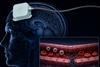
Why the blood–brain barrier blocks most drugs – and how ultrasound could help
The blood–brain barrier protects the brain from harmful substances, but it also prevents many medicines from reaching their target. Researchers are investigating whether focused ultrasound could safely improve drug delivery.
-
 News
NewsNon-endocytic delivery bypasses endosomal barriers for gene therapy
A new review examines how physical, bioengineered and biomimetic delivery platforms that bypass conventional endocytic uptake pathways could transform the clinical development of gene therapies, mRNA treatments and protein-based medicines.
-
 News
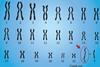
NewsGene therapy restores key features in fragile X syndrome mouse model
Researchers at Cincinnati Children’s have demonstrated that AAV-mediated delivery of the human FMR1 gene can restore FMRP expression and reverse multiple disease-related features in a fragile X syndrome mouse model, offering a promising preclinical foundation for future clinical trials.
-
 News
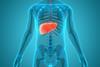
NewsGene therapy shows durable correction of methylmalonic acidemia in preclinical study
Preclinical findings from Genespire and SR-TIGET suggest a single administration of a liver-directed lentiviral gene therapy could provide lifelong correction of methylmalonic acidemia, a rare inherited metabolic disorder with no approved disease-targeted treatments.
-
 Article
From R&D to QC: building a single analytical strategy for cell and gene therapies
From early research to quality control, maintaining analytical continuity is no easy task. Could a single sequencing workflow help simplify analytical assessment?
-
 News
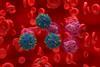
NewsBlocking cathepsin B protein enhances CAR T-cell therapy effectiveness
University of Maryland researchers have discovered that blocking cathepsin B protein prevents CAR T-cells from losing effectiveness, potentially improving long-term outcomes for blood cancer patients. The preclinical findings reveal that engineered immune cells inadvertently weaken themselves by acquiring tumour fragments, a process that can be prevented through targeted protein inhibition.
-
 News
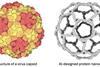
NewsAI-designed proteins self-assemble into virus-like drug delivery structures
An international collaboration has developed AI-designed protein structures that self-assemble into virus-like nanocages using quasisymmetry principles, offering new possibilities for targeted drug delivery, vaccine development and genetic material transport without relying on modified viral proteins.
-
 News
NewsPERM1 protein linked to heart recovery in LVAD patients
A newly identified protein may explain why some failing hearts recover function following mechanical support while others do not.
-
 News
NewsCircio’s circular RNA platform shows 40-fold gene expression boost
Circio Holding has presented preclinical data at ASGCT demonstrating that its circVec circular RNA platform achieved up to 40-fold greater gene expression in cardiac tissue and 50-fold in ocular tissue compared with conventional AAV gene therapy approaches, potentially enabling significant dose reductions and improved safety profiles.
-
 News
NewsAI-designed viral vectors achieve 50-fold brain enrichment over AAV9
WhiteLab Genomics has presented preclinical data showing that viral vectors designed using artificial intelligence achieved approximately 50-fold higher DNA enrichment in the brain compared to AAV9, with no detectable liver signal following intravenous administration in mice.
-
 News
NewsASGCT 2026 Annual Meeting opens in Boston this week
The American Society of Gene & Cell Therapy’s 2026 Annual Meeting opens in Boston on 11 May, bringing together thousands of researchers, clinicians and industry leaders for five days of scientific programming.
-
 News
NewsCircio and Acuitas partner on circular RNA CAR T therapy
Norway-based biotechnology company Circio Holding ASA has partnered with Acuitas Therapeutics to evaluate its circVec circular RNA platform for in vivo CAR T cell therapy. The collaboration will combine Circio’s technology, which reportedly delivers gene expression lasting up to six months in lymphocytes, with Acuitas’ lipid nanoparticle delivery system targeting specific T cell populations for potential applications in oncology and autoimmune diseases.