



News
-
 News
NewsEuropean initiative aims to bring molecular dynamics into mainstream drug discovery
What if the vast amounts of data generated by molecular dynamics simulations could be routinely shared and reused? A new €10 million European initiative aims to do just that, helping researchers gain a deeper understanding of protein behaviour and drug-target interactions.
-
 News
NewsEpilepsy drug sodium valproate could improve vaccine immune responses
A commonly prescribed epilepsy drug has shown striking potential as a vaccine booster in a controlled human trial, more than doubling antibody levels and increasing T cell responses tenfold at a fraction of its standard therapeutic dose.
-
 News
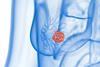
NewsMETTL3 protein finds new mechanism driving breast cancer metastasis
Scientists at Umeå University have uncovered a previously unknown function for the RNA-modifying protein METTL3, revealing it plays a distinct role in enabling breast cancer cells to invade surrounding tissue and form metastases – findings that could open new avenues for therapeutic targeting.
-
 News
NewsAccessible multiplex imaging workflow advances spatial liver disease research
A new multiplex immunofluorescence workflow using standard laboratory equipment and open-source software enables detailed spatial analysis of liver tissue, organoids and organ-on-a-chip models, lowering barriers to advanced spatial biology in hepatology research.
-
 News
NewsTranexamic acid cuts post-hepatectomy liver failure risk threefold
An international multi-centre study has found that tranexamic acid, a widely available and inexpensive haemostatic agent, could reduce the risk of post-hepatectomy liver failure threefold, offering a potential new preventive strategy for one of liver surgery’s most feared complications.
-
 News
NewsAutomated cell-free protein synthesis platform cuts costs by 95 percent
South Korean researchers have developed an automated, modular cell-free protein synthesis platform that slashes preparation costs by 95 per cent and improves output five-fold, offering new potential for drug discovery and synthetic biology applications.
-
 News
NewsHidden vulnerability in persister cells could prevent KRAS cancer relapse
Scientists at Chiba University have identified a metabolic vulnerability in drug-tolerant cancer cells that survive KRAS-targeted therapy, opening a potential route to combination treatments designed to prevent disease recurrence in lung, pancreatic and colorectal cancers.
-
 News
NewsStreptomyces antibiotic ‘megacluster’ targets biotin to combat drug-resistant infections
Researchers at McMaster University have identified an unprecedented antibiotic ‘megacluster’ in Streptomyces bacteria, harbouring four co-located gene clusters that produce compounds collectively targeting bacterial biotin biosynthesis, uptake and utilisation — with two proving effective against multidrug-resistant E. coli in animal models.
-
 News
NewsLargest chemical reactions database launched to boost AI drug discovery
Researchers at the University of Michigan have assembled a database of more than 50,000 chemical experiments, offering AI systems an unprecedented resource to accelerate drug discovery and reduce reliance on scarce precious metal catalysts.
-
 News
NewsResearchers reveal how entinostat disrupts pancreatic cancer repair
Scientists at the Salk Institute have discovered how the investigational HDAC inhibitor entinostat disrupts DNA repair mechanisms in pancreatic cancer cells, potentially enabling more effective combination therapies with reduced toxicity through novel nanoparticle delivery systems.
-
 News
NewsmRNA vaccine shows promise against childhood neuroblastoma cancer
Preclinical study demonstrates effectiveness of experimental mRNA vaccine against neuroblastoma, reducing tumour size by 70 percent and delaying development. RCSI researchers used peptide nanoparticles targeting GPC2 protein to direct immune response against cancer cells, offering potential new treatment approach for aggressive childhood malignancy.
-
 News
NewsAI uncovers antimicrobial peptides hidden within prion proteins
Researchers at the University of Pennsylvania have used artificial intelligence to identify a new class of antimicrobial peptides within prion proteins, traditionally associated with neurodegenerative disease. The discovery reveals 1,179 potential antibiotic candidates, with laboratory and animal studies confirming activity against drug-resistant bacterial strains.
-
 News
NewsBlocking cathepsin B protein enhances CAR T-cell therapy effectiveness
University of Maryland researchers have discovered that blocking cathepsin B protein prevents CAR T-cells from losing effectiveness, potentially improving long-term outcomes for blood cancer patients. The preclinical findings reveal that engineered immune cells inadvertently weaken themselves by acquiring tumour fragments, a process that can be prevented through targeted protein inhibition.
-
 News
NewsCerebral organoids identify Ebola virus persistence in neural tissue
Researchers have used human brain organoids to demonstrate that Ebola virus can replicate in neural tissue for up to 120 days, offering new insights into viral persistence mechanisms in immune-privileged sites and late-stage inflammatory complications in survivors.
-
 News
NewsThalidomide shows potential for treating rare brain vascular malformations
Researchers in China have reported encouraging preclinical and early clinical evidence that thalidomide may help stabilise and reduce rare vascular malformations affecting the brain and spinal cord, potentially offering the first medical treatment option for patients with central nervous system arteriovenous malformations who are unsuitable for invasive procedures.
-
 News
NewsMembrane lipid composition directly regulates EGFR activity in cells
MIT researchers have demonstrated that cell membrane composition directly influences EGFR activity, with elevated negatively charged lipids locking the receptor into a growth-promoting state.
-
 News
NewsLabGenius and LG Chem partner on AI-driven cancer antibodies
LabGenius Therapeutics has partnered with LG Chem to develop next-generation multispecific antibodies targeting solid tumours. The collaboration combines AI-driven drug discovery with oncology development expertise to identify therapeutics with improved selectivity and reduced toxicity.
-
 News
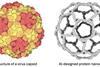
NewsAI-designed proteins self-assemble into virus-like drug delivery structures
An international collaboration has developed AI-designed protein structures that self-assemble into virus-like nanocages using quasisymmetry principles, offering new possibilities for targeted drug delivery, vaccine development and genetic material transport without relying on modified viral proteins.
-
 News
NewsPim1 kinase identified as therapeutic target for inflammatory arthritis
Researchers have identified Pim1 kinase as a critical driver of inflammatory arthritis through its regulation of Th17 cell differentiation via mitochondrial metabolism.
-
 News
NewsResearchers develop automated DESI-MS platform for faster cancer drug discovery
Scientists at Purdue University have created an automated ultrahigh-throughput platform that integrates chemical synthesis, biological testing and mass spectrometry into a single workflow, potentially reducing the time needed to identify promising cancer drug candidates from weeks to hours.