

Two-hit approach shows promise in breast cancer study
Posted: 8 October 2015 | Victoria White
Researchers have eradicated a specific type of breast cancer tumour in mice by disabling a cancer-causing pathway and administering an immune-molecule based mop-up therapy…
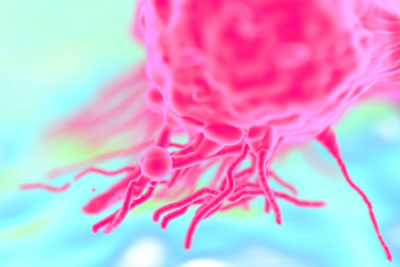
Researchers from the Perelman School of Medicine at the University of Pennsylvania have eradicated a specific type of breast cancer tumour in mice by disabling a cancer-causing pathway and administering an immune-molecule based mop-up therapy.
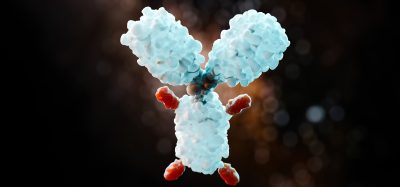
“This line of research is important to future therapy for Her2-positive breast cancers because it defines a way to make the current treatment better and to use less amount of cancer drugs such as Herceptin by an ordered combination use with before interferon-gamma, which is also a clinically used drug,” said Hongtao Zhang, PhD, a research assistant professor of Pathology and Laboratory Medicine.
The major take-away from this study is that treatment with herceptin or lapatanib followed by interferon-gamma dramatically improves tumour eradication in the mice, said Mark Greene, MD, PhD, the John W. Eckman Professor of Medical Science. This one-two punch renders the tumours highly sensitive to chemotherapy, which is needed to make the targeted therapy work.
The researcher’s approach could reduce toxicity of breast cancer treatment
This therapy, when translated for use in people, would be beneficial in reducing toxicity because the amount of antibody could be decreased by two-thirds and the amount of chemotherapy by at least half. This in turn, “reduces the cost of treatment so that individuals previously not able to afford targeted therapy will be able to do so. All of the therapeutic agents used in this preclinical study are approved and we expect to try ordered therapy plus interferon in clinical trials soon,” Greene said.
“We examined the biologic effects of interferon-gamma alone or after anti-erbB2/neu antibody treatment of erbB2-positive cells and mice,” said Yasuhiro Nagai, PhD, a postdoctoral fellow in the department of Pathology and Laboratory Medicine.
Interferon-gamma is a small protein called a cytokine normally produced by T cells as part of the immune response. Interferon-gamma is a well-known cytokine to immunologists but is not used by oncologists so much because of other side effects. Interferon-gamma works by rendering the tumoru cells much more susceptible to Her-2 inhibitors so that tumour cells can be killed more effectively. In addition, this combination therapy also augments host tumour immunity, which can be a good advantage for this therapy.
In a series of experiments in breast cancer cell lines and transgenic mice that develop breast cancer as adults, the team found that interferon-gamma on its own had no effect on tumours. Treatment of the tumours with anti-erbB2/neu mAbs followed by interferon-gamma led to a considerable inhibition of tumour growth and reduction of tumour size in the mice when the therapy is combined with a typical chemotherapeutic agent.
Related topics
Oncology
Related conditions
Breast cancer
Related organisations
Cancer Research, Pennsylvania University