




news
Messy lipid nanoparticles deliver RNA more effectively
New research shows that lipid nanoparticles used in mRNA vaccines may deliver RNA more effectively when their structure is disorganised.
List view / Grid view
New research shows that lipid nanoparticles used in mRNA vaccines may deliver RNA more effectively when their structure is disorganised.
Researchers have discovered that reorganising a single cancer-targeting peptide within a spherical nucleic acid vaccine dramatically boosts the immune system’s ability to attack HPV-driven tumours.


Researchers have developed virus-inspired LENN nanoparticles that deliver mRNA therapies directly to bladder cancer cells, remain stable after freeze-drying and avoid triggering immune responses.


RNA therapies are moving past burst-and-fade limits. New advances in circular RNA and targeted delivery could transform how we treat autoimmune disease, infections and beyond.
Researchers at The University of Osaka have developed a new system to study human norovirus, with the hope of being able to develop vaccines and antiviral treatments faster.
Scientists have developed an organ-on-a-chip platform that replicates age-related immune decline, offering a long-missing tool for testing cancer vaccines in older adults.


Drug-resistant infections are on the rise, endangering global health. Neil Murray from ReNewVax explains how the company’s universal pneumococcal vaccine, RVX-001, could reduce antibiotic use and help curb antimicrobial resistance.
Japanese researchers have developed a nasal HPV vaccine that could offer a non-invasive, fertility-preserving alternative to surgery for cervical cancer.


Advances in formulation science and device technology are transforming nasal drug delivery, enhancing absorption, stability and patient adherence. This article examines the innovations driving its growth and highlights future applications ranging from systemic treatments to nose-to-brain therapies and vaccines.
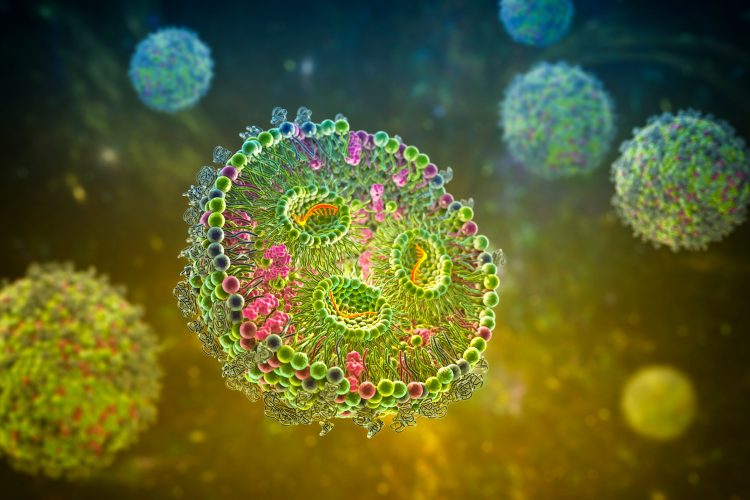
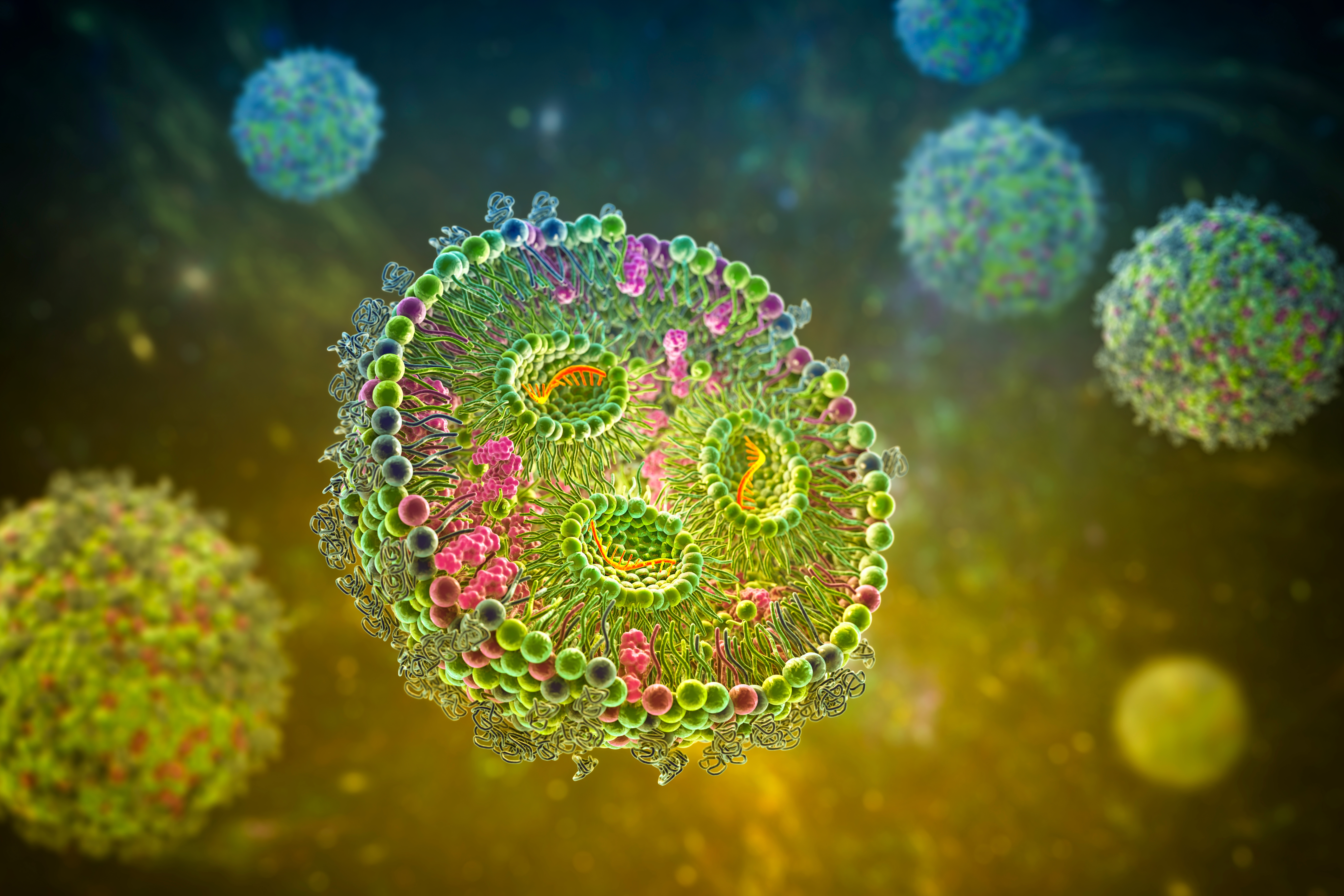
CRISPR therapies depend on delivery and lipid nanoparticles are emerging as a more flexible and scalable option than viral vectors.

A new review has highlighted how three-dimensional organoid models are transforming cancer research by replicating the complexity of human tumours – bringing precision oncology closer to the clinic.
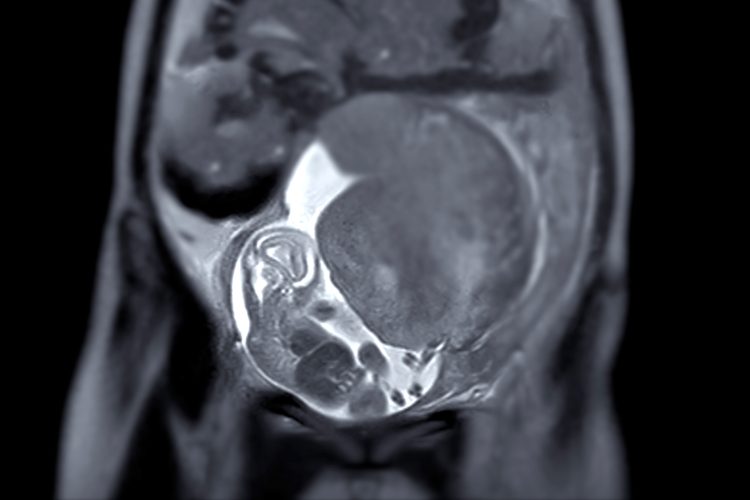
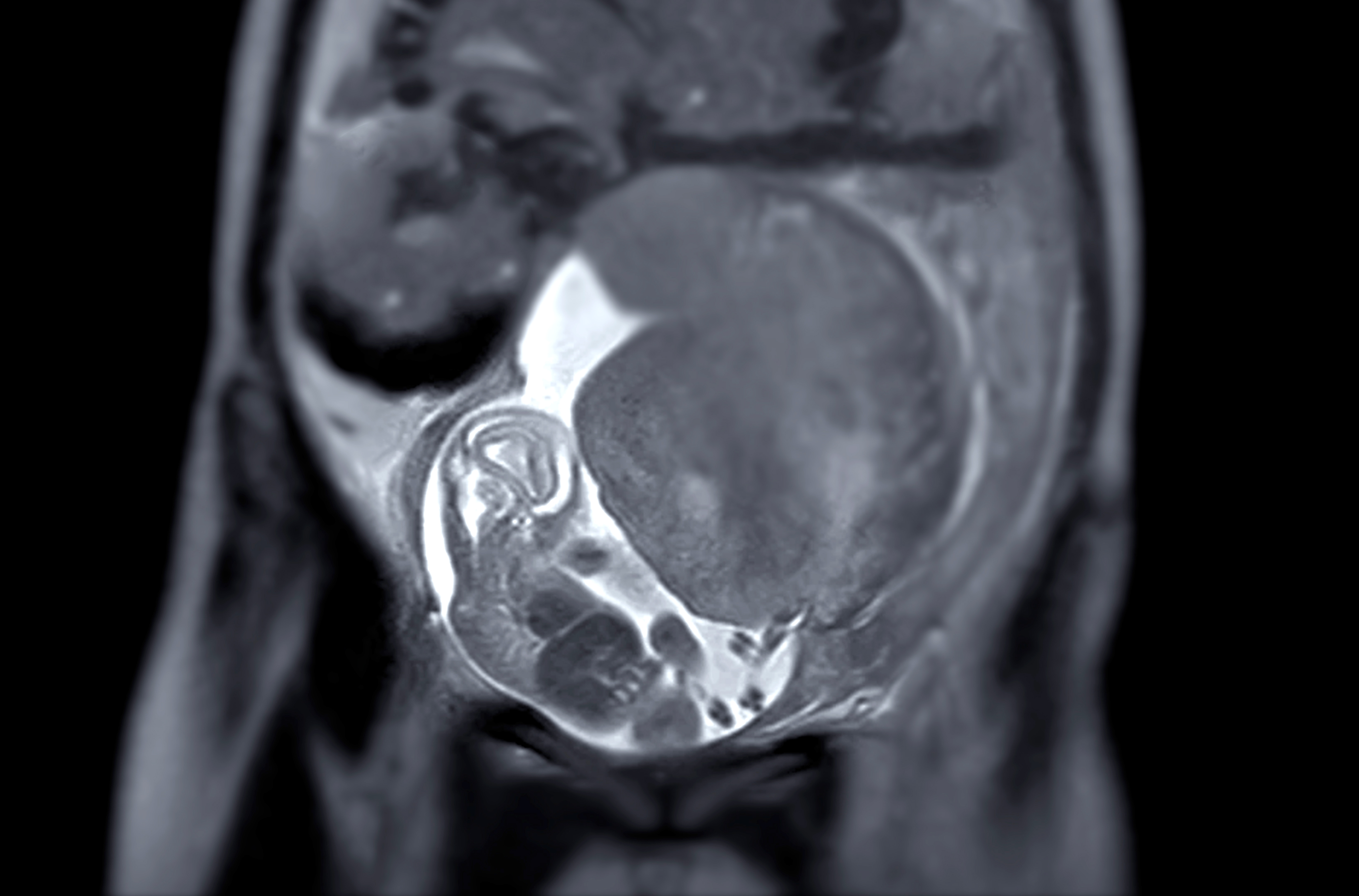
Severe flu in pregnancy may weaken the placenta and foetal brain, allowing harmful molecules to leak in and disrupt development, a new study finds
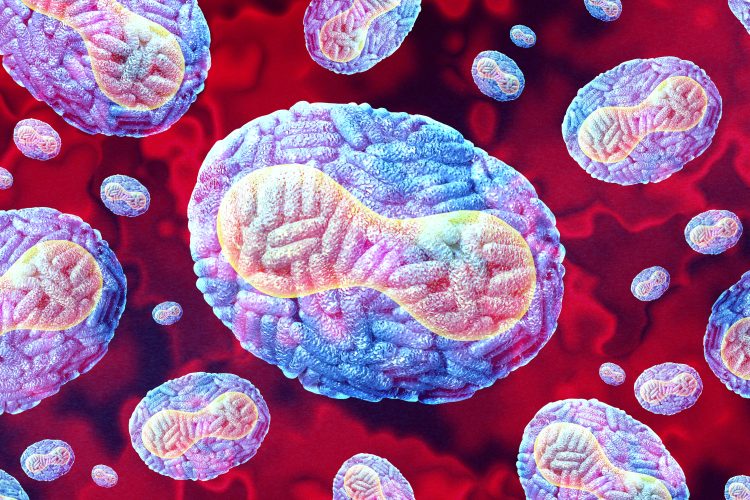
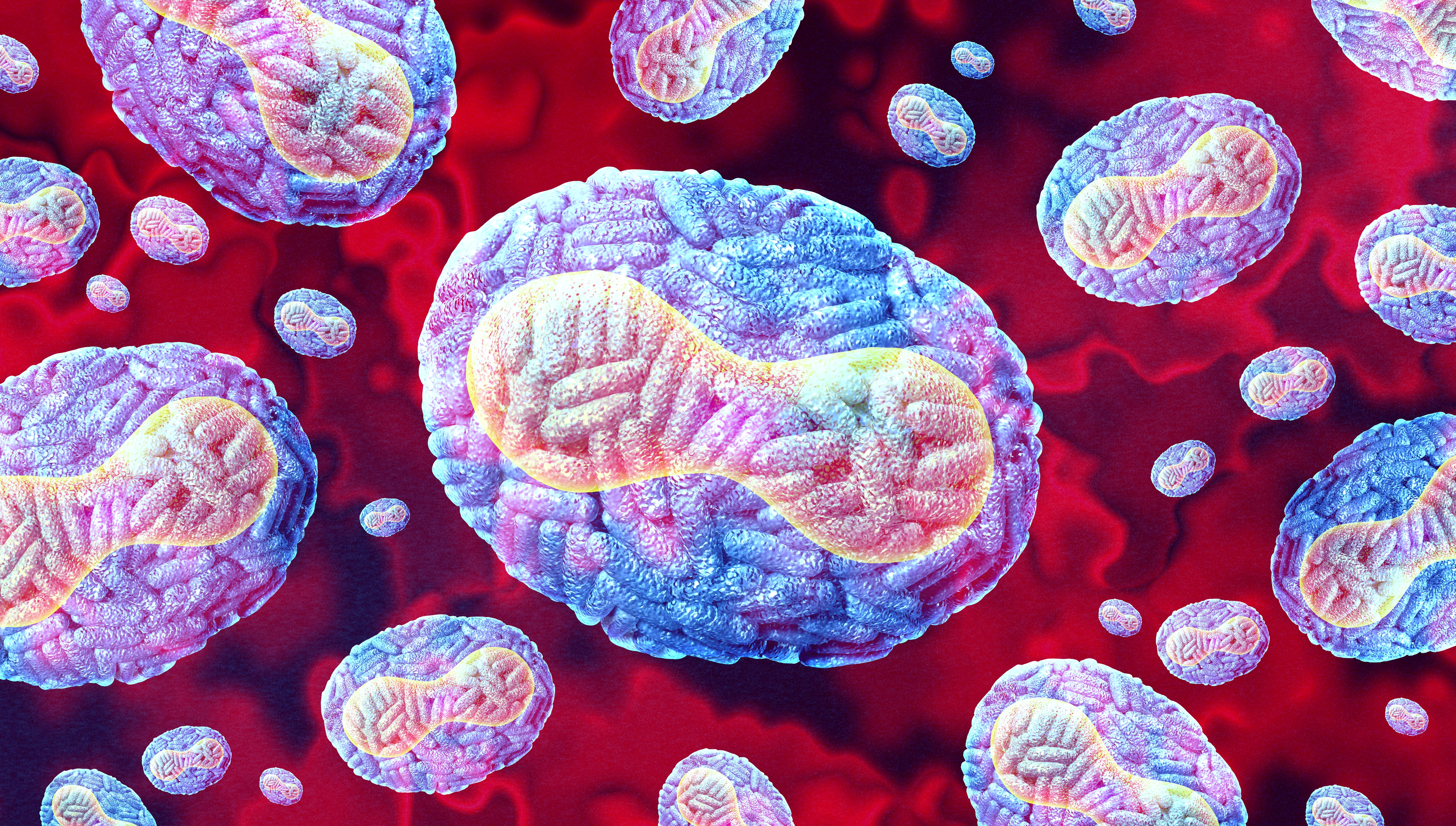
Researchers at Mount Sinai have identified three antibodies that target mpox and prevent severe disease in vivo. The work positions A35-specific antibodies as candidates for therapeutic development.
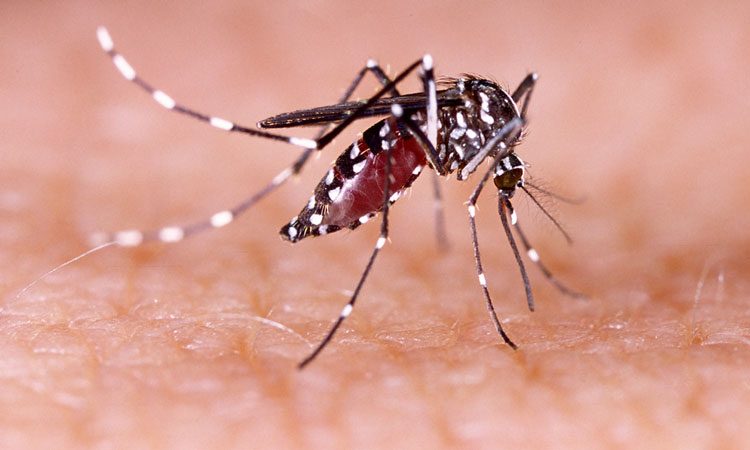
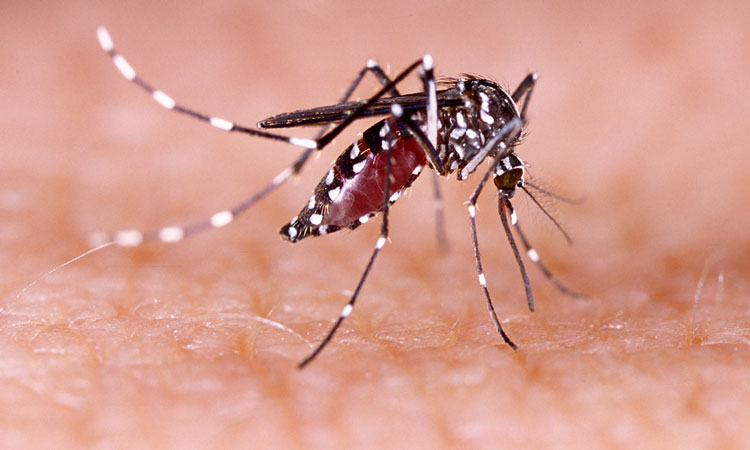
Brazilian researchers have developed a new Zika virus vaccine that is safe and effective in mice – protecting against both brain inflammation and testicular damage while avoiding cross-reactions with dengue.

The 2025 chikungunya outbreak has surged from the Indian Ocean to Europe, prompting an urgent global research response. With no antivirals and limited vaccine access, laboratories and biotech firms are under pressure to deliver solutions fast.
