

From fragments to maps: scaling drug–target interaction data
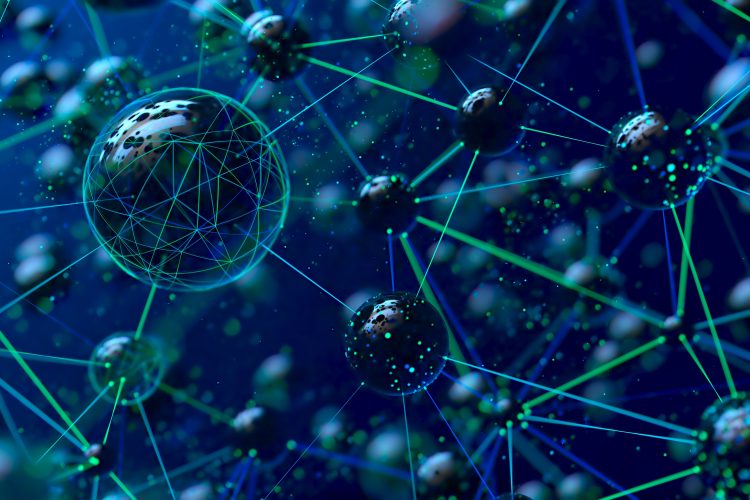
Most drug–target data were never designed to be compared at scale. Pharmome mapping takes a different approach, building a shared dataset intended to support more predictable discovery.
List view / Grid view
An assay is an analytical procedure in laboratory medicine, pharmacology and molecular biology for measuring the activity of a target entity.
Most drug–target data were never designed to be compared at scale. Pharmome mapping takes a different approach, building a shared dataset intended to support more predictable discovery.
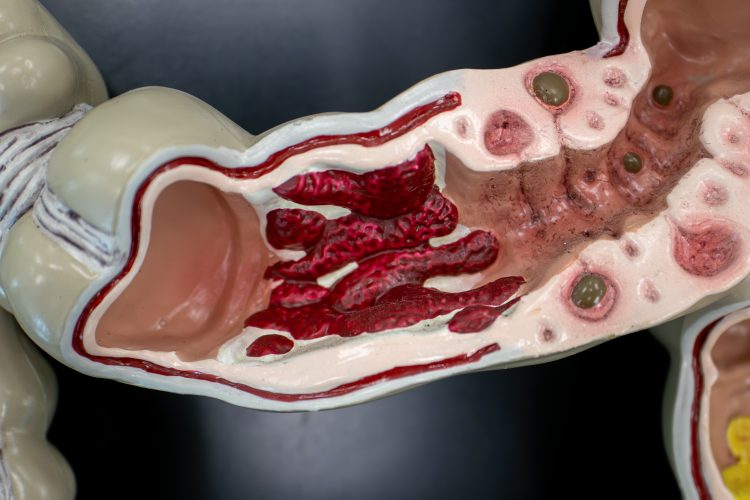
Researchers have used machine learning to identify a new antimicrobial peptide that reduces inflammation, restores gut barrier function and reshapes the microbiome in ulcerative colitis.
Why do some targeted assays move smoothly from discovery to clinical practice while others stall? The answer often lies in the earliest design decisions, where choices about samples, platforms and data determine what is possible later.
Automation is helping drug discovery teams screen faster, cut costs and run complex assays at scale – but its real value lies in what happens next.
Automation and artificial intelligence are changing how scientists design, test and refine new molecules. At the University of Toronto, Stuart R Green and the Acceleration Consortium are building a self-driving lab that could change the pace of early drug discovery.

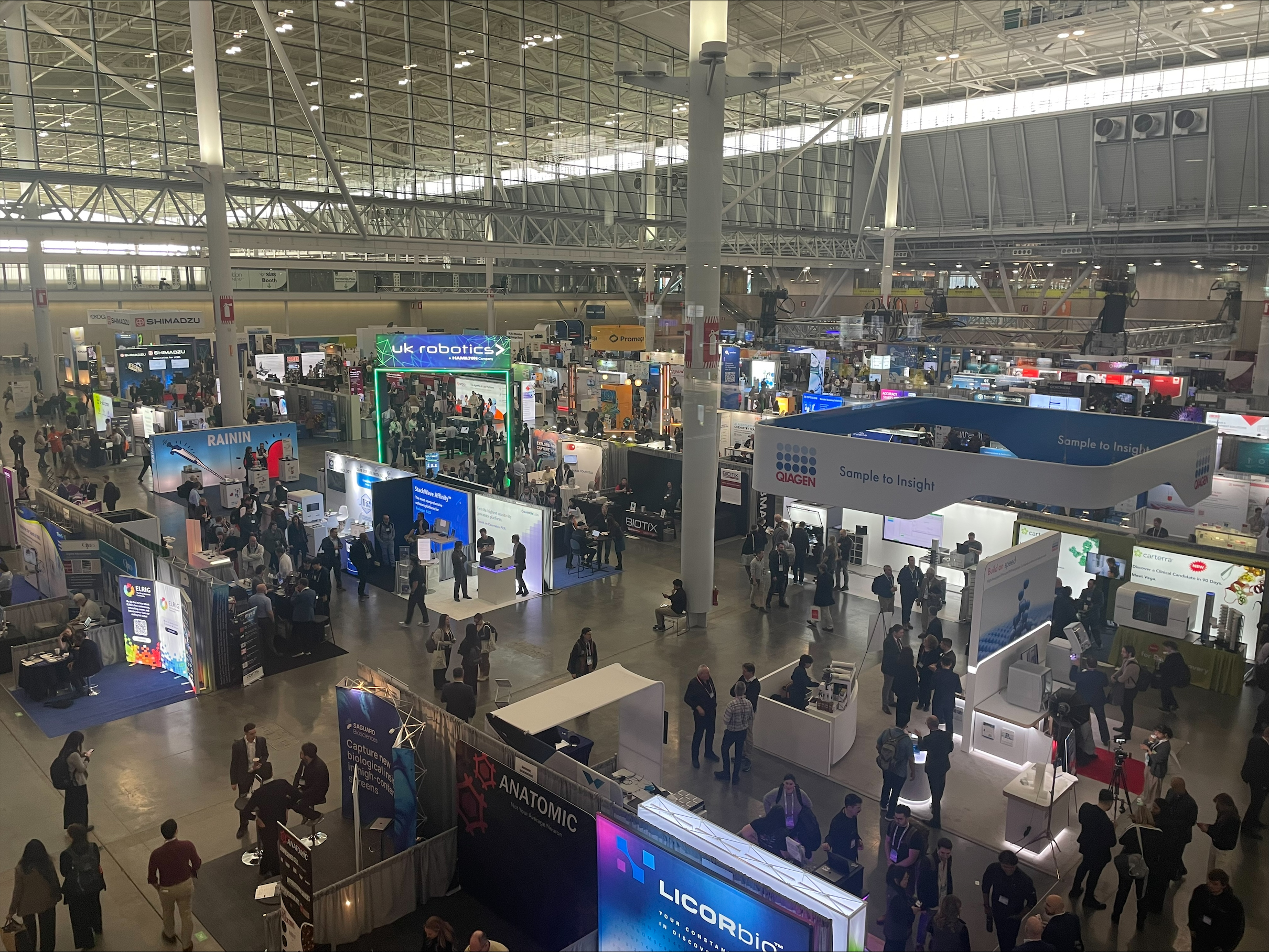
Drug discovery has no shortage of powerful technologies, but the challenge now is making them work together. At SLAS Boston 2026, researchers and technology developers revealed how laboratories are connecting the entire experimental pipeline.
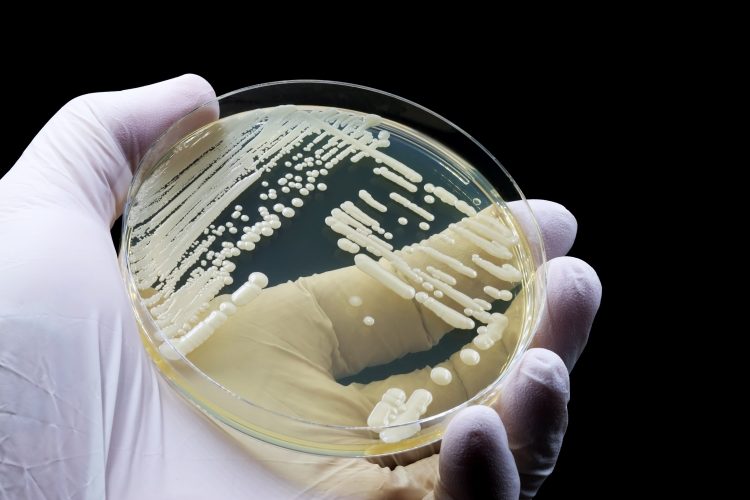
Scientists at the Medical University of Vienna identify multiple mechanisms of multidrug resistance in Candida auris, revealing new therapeutic opportunities.
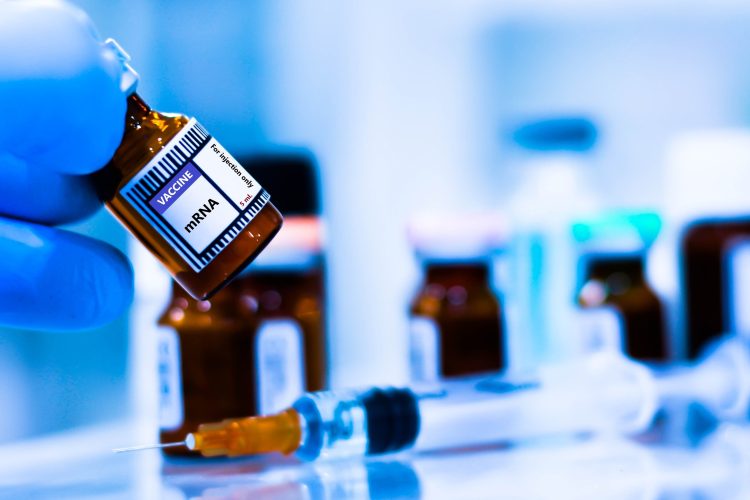
New research shows that lipid nanoparticles used in mRNA vaccines may deliver RNA more effectively when their structure is disorganised.
Researchers at Sultan Qaboos University have identified three antimicrobial peptides from dromedary camels that demonstrate potent activity against multidrug-resistant bacteria.
A new platform from Promega enables scientists to measure compound binding directly in living cells, helping to translate biochemical hits into more reliable drug discovery decisions.
Mutant selectivity remains one of drug discovery’s hardest problems. New preclinical research applying quantum chemistry to JAK2V617F illustrates how detailed molecular analysis can inform more selective inhibitor design.
Announced at SLAS 2026 in Boston, Synthace have partnered with Charles River Laboratories to advance assay development, combining software, automation and experimental design.
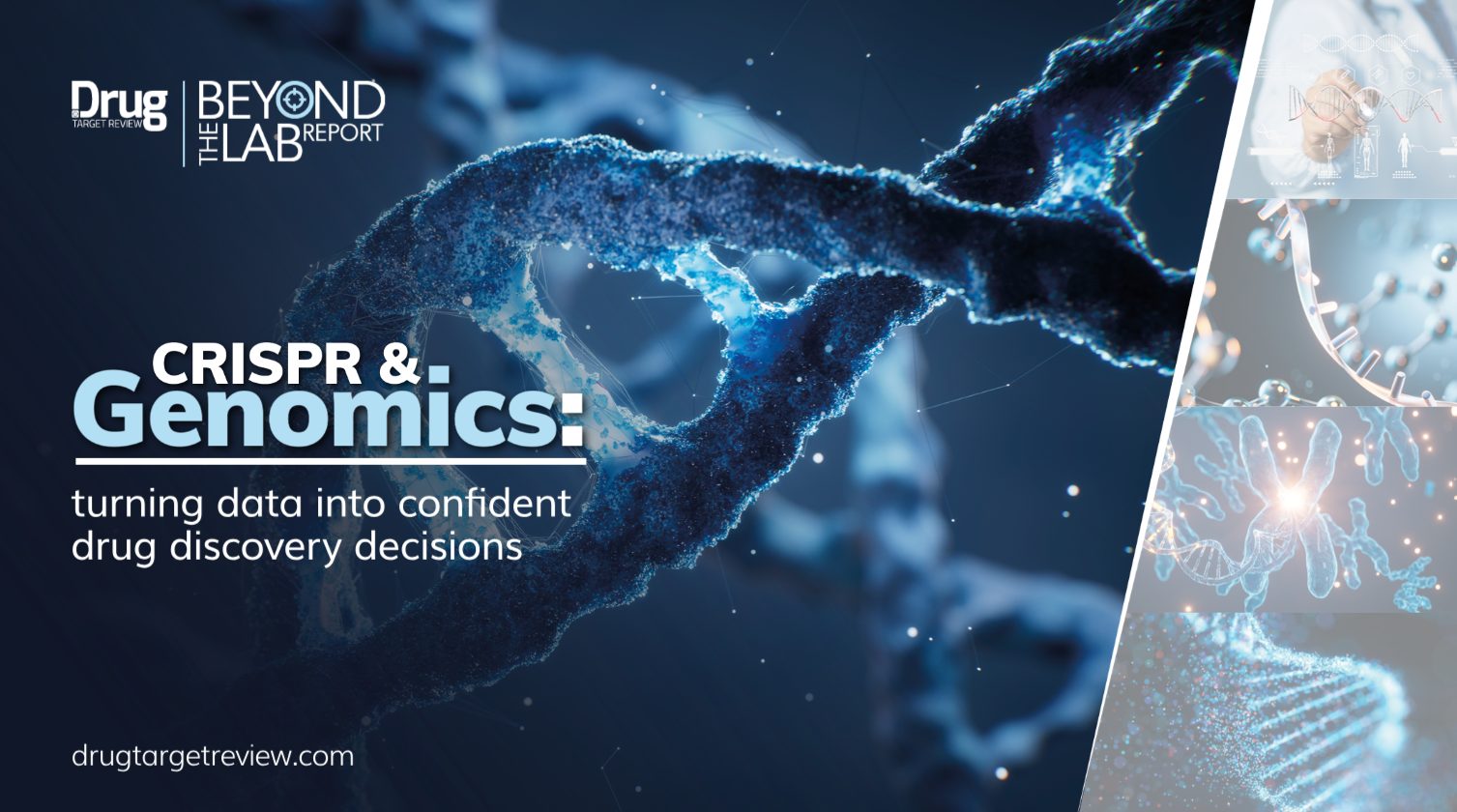
Early drug discovery has no shortage of genomic data, but confidence remains scarce. This report examines how CRISPR, functional genomics and human-relevant models are being applied to determine which signals matter, how they influence disease biology and which targets and strategies are worth pursuing.
2026 is set to be a pivotal year for drug discovery, with advances in NAMs and evolving regulatory approaches promising faster, safer early drug development and accelerated delivery of therapies for patients with rare or unmet medical needs.
Complex diseases rarely have single targets. By focusing on transcription factor activity and disease signatures, Scripta Therapeutics is taking a different approach to identifying the drivers of pathology.