
Why ageing must become central to Parkinson’s research
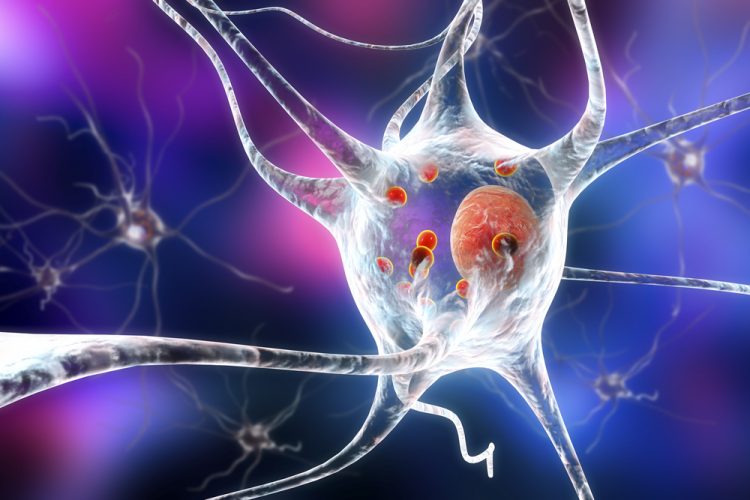
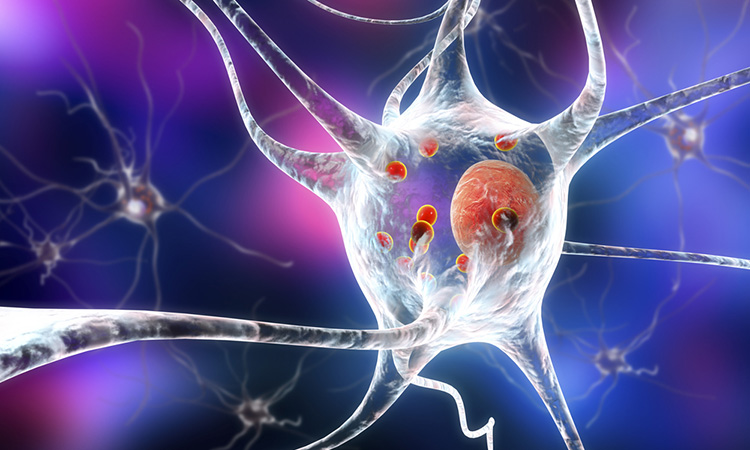
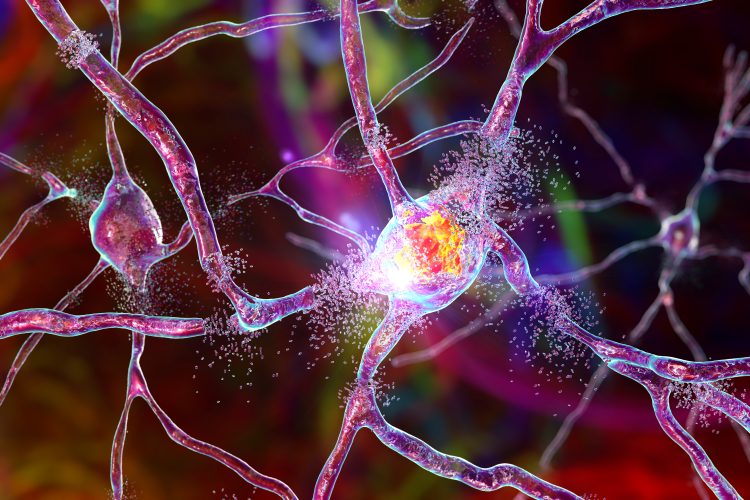
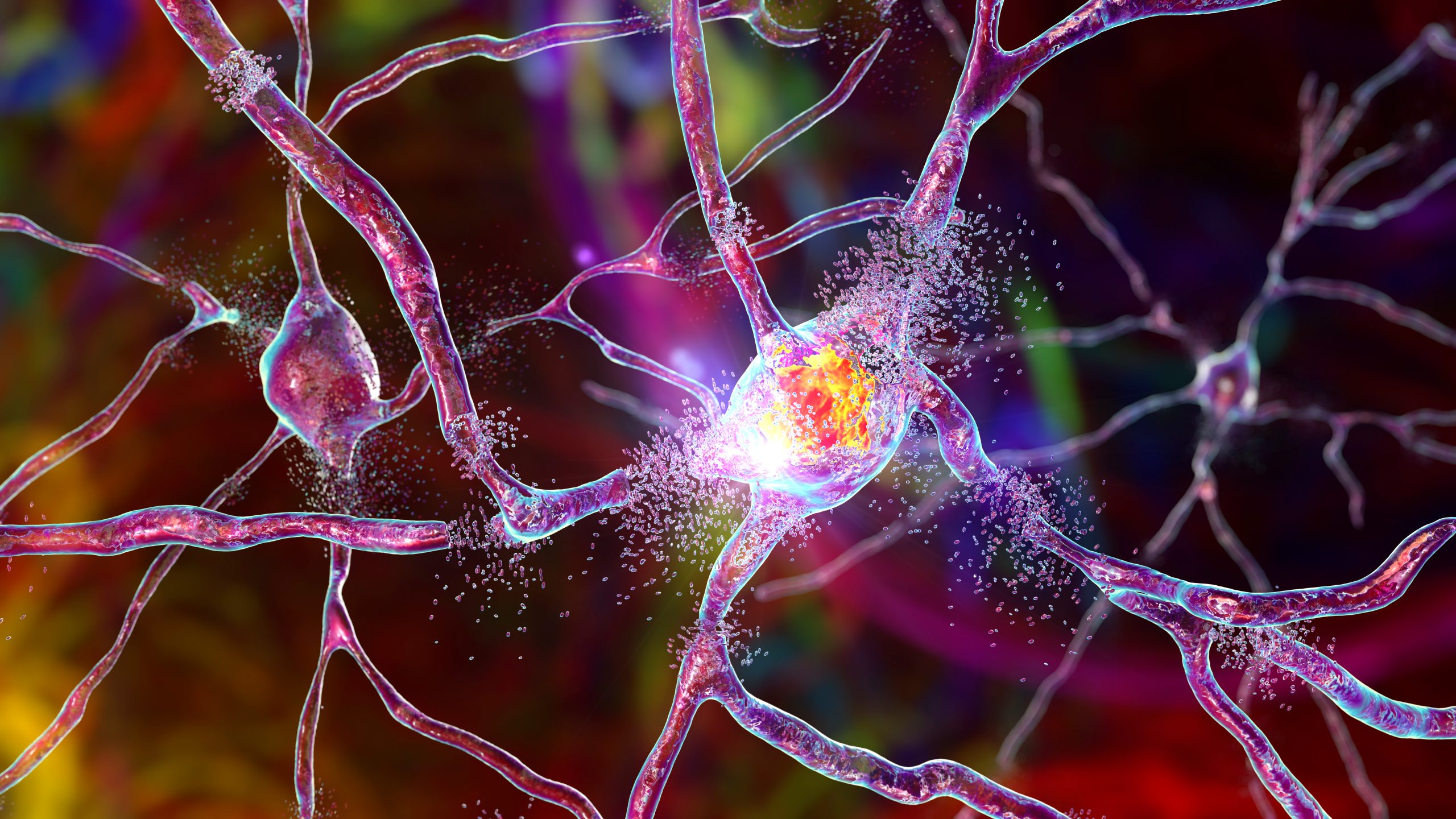
An international team of scientists is urging researchers to put ageing at the centre of Parkinson’s studies, arguing that it has been overlooked for too long.
List view / Grid view
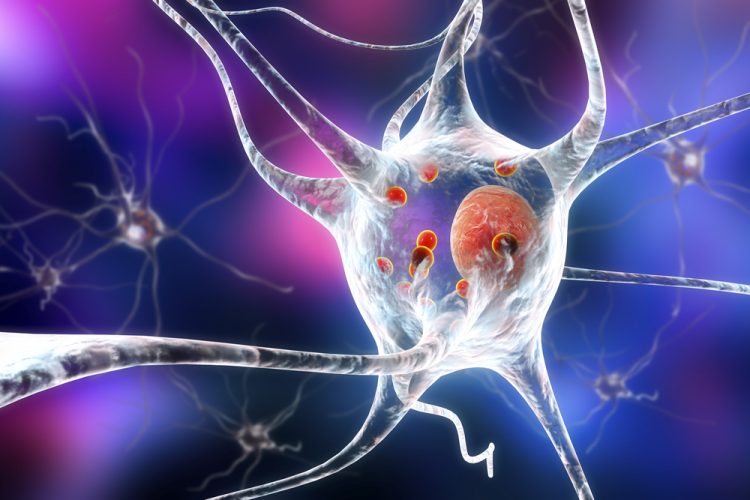
An international team of scientists is urging researchers to put ageing at the centre of Parkinson’s studies, arguing that it has been overlooked for too long.
A new SHANK3 conditional knockout mouse model from InnoSer, CureSHANK and Ozgene has been launched to advance research into Phelan-McDermid syndrome, other neurodevelopmental disorders and the development of new therapies.
New research shows chronic alcohol use rewires gene activity in human brain regions that control reward and decision-making, which could inform the development of more effective addiction treatments.
New research has demonstrated how a common virus may trigger the immune attack that leads to multiple sclerosis, providing a deeper look into a disease that affects nearly one million people in the US.
Addex Therapeutics has published new research showing that targeting the mGlu7 receptor with a negative allosteric modulator can disrupt fear memory reconsolidation, offering a potential new approach to treating anxiety and PTSD.
New preclinical research shows that psilocybin’s behavioural and inflammatory effects vary with metabolic state and exercise, highlighting key biological variables that could inform drug discovery, target selection and patient stratification in psychedelic therapeutics.
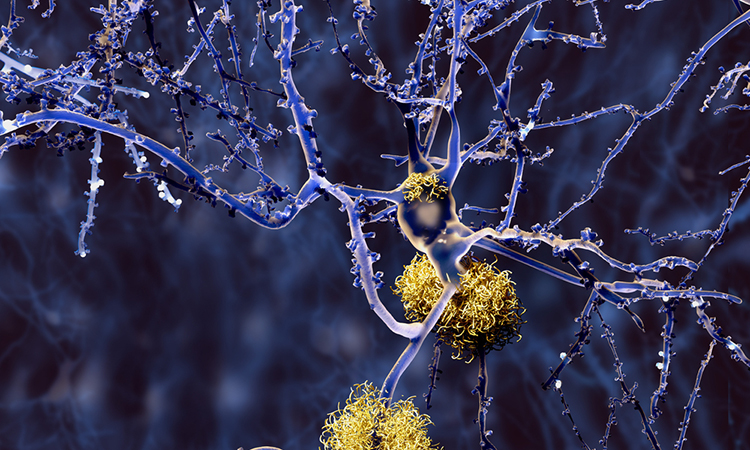
New research has revealed that tau-driven neurodegenerative diseases each have distinct chemical signatures, challenging current one-size-fits-all approaches to diagnosis and treatments.
Researchers have developed 3D human brain organoids that reveal how glioblastoma interacts with brain and immune cells, discovering hidden drivers of tumour invasion.
Scientists have identified early blood biomarkers for Parkinson’s disease, revealing a narrow window in which the condition could be detected years before symptoms appear.
30 January 2026 | By Yokogawa
This webinar examines the design trade-offs and technical constraints involved in building a high-throughput robotic imaging pipeline for complex biological workflows.
Researchers have discovered a mouse strain that mirrors ALS in humans following a viral infection, offering new insights into how the disease develops, potentially opening new pathways for early diagnosis and drug development.
New research shows the brain can intentionally form amyloids to store memories, challenging decades of thinking about neurodegenerative disease and pointing towards new strategies for drug discovery.
Researchers have identified new drug candidates that selectively target the cPLA2 enzyme, a key driver of brain inflammation linked to Alzheimer’s disease, offering a potential new approach to reducing risk in people with the APOE4 gene.
Researchers have discovered how seemingly supportive brain cells help glioblastoma thrive, whilst identifying an existing HIV drug, Maraviroc, that could be repurposed to slow tumour growth.
New research has revealed how cellular senescence – the process in which ageing cells change function – shapes human brain structure from development to old age, improving our understanding of brain ageing and neurodegenerative diseases.