



All Neurosciences articles
-
 News
NewsTazbentetol shows retinal neuroprotection potential in diabetic mouse model
Experimental synaptic restoration compound tazbentetol has demonstrated neuroprotective effects in the retinas of diabetic mice, offering a potential new therapeutic avenue for diabetic retinal neuropathy ahead of detectable vascular damage.
-
 News
NewsBrain circuit linking cold exposure to metabolism identified in hypothalamus
Researchers at USF Health have identified a previously unknown brain circuit in the hypothalamus that coordinates eating behaviour, heat production and energy expenditure in response to cold, with implications for obesity and metabolic disease drug discovery.
-
 News
NewsHyperreactive astrocytes identified as key drivers of TSC epilepsy
Researchers at UC Berkeley have used long-term human brain organoids to show that hyperreactive astrocytes may drive the inflammation and seizures associated with tuberous sclerosis complex.
-
 Article
Turning CNS biomarkers into better drug development decisions
Why do promising CNS therapies struggle to translate into patients? Three experts explore how biomarkers can track therapeutic effects, improve patient selection and guide development decisions.
-
 News
NewsWhy researchers are targeting Nav1.7 in the search for longer-lasting pain relief
Humanised antibodies targeting the voltage-gated sodium channel Nav1.7 have demonstrated prolonged suppression of neuropathic pain in a rat model.
-
 News
NewsNasal spray delivers amniotic vesicles to combat Alzheimer’s disease
A nasal spray using extracellular vesicles derived from the amniotic membrane has shown promise against Alzheimer’s disease, reducing neuroinflammation, protecting neuronal function and preserving memory in experimental models.
-
 News
NewsSolute carrier transporters open new frontier in neurological drug discovery
A comprehensive review of solute carrier transporters argues that the 464-strong SLC protein family represents a largely unexplored opportunity for developing treatments across a range of neurological and psychiatric conditions, from epilepsy and autism to Alzheimer’s disease.
-
 News
NewsBRAF identified as novel target for neuropathic pain treatment
Researchers at MD Anderson Cancer Center have discovered that BRAF, a protein well known for its role in cancer, may also drive chronic pain following nerve injury – raising the prospect of repurposing approved cancer drugs as treatments for neuropathic pain.
-
 News
NewsGlymphatic gene therapy platform targets brain’s glial cells precisely
A new gene therapy platform exploiting the brain’s glymphatic transport system and engineered AAV5 vectors could offer a targeted treatment route for multiple sclerosis, Huntington’s disease and rare white matter disorders.
-
 Article
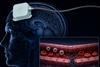
Why the blood–brain barrier blocks most drugs – and how ultrasound could help
The blood–brain barrier protects the brain from harmful substances, but it also prevents many medicines from reaching their target. Researchers are investigating whether focused ultrasound could safely improve drug delivery.
-
 News
NewsLandmark fibromyalgia study highlights neurological targets for new therapies
A landmark genome-wide study of more than 2.5 million adults has identified 26 genomic regions linked to fibromyalgia, confirming a neurological basis for the condition and opening new avenues for targeted drug discovery.
-
 News
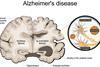
News3D genome reorganisation identified as Alzheimer’s disease molecular hallmark
An international study combining single-cell genomics, spatial transcriptomics and artificial intelligence has identified large-scale changes in three-dimensional genome organisation in Alzheimer’s-affected brain cells, establishing chromatin architecture as a previously overlooked component of the disease’s molecular pathology and a potential framework for future therapeutic targeting.
-
 Webinar
Meeting ethical & regulatory requirements when using human biological specimens
Whether you source, purchase or work with human biospecimens, understanding today’s ethical and regulatory expectations is essential. Join this webinar to explore informed consent, privacy and the principles that support responsible research.
-
 News
NewsKCL-286 targets multiple Alzheimer’s pathways in preclinical study
A repurposed small molecule originally developed for spinal cord injury has demonstrated the ability to address multiple disease-relevant pathways in Alzheimer’s disease, including DNA damage and neuroinflammation, offering a potential route to disease-modifying therapy.
-
 News
News15-PGDH enzyme inhibition protects brain cells in Parkinson’s disease models
Researchers have identified 15-PGDH enzyme inhibition as a neuroprotective strategy in Parkinson’s disease, with repurposable compounds already in clinical development offering a potential shortcut to disease-modifying therapies.
-
 News
Newsbit.bio launches iPSC-derived cell culture media kits to democratise human cell research
Cambridge-based cell programming company bit.bio has introduced two new media kits for its iPSC-derived ioGlutamatergic Neurons and ioMicroglia, reducing media preparation costs by around 18-fold and simplifying workflows to widen access to human-relevant research models.
-
 News
NewsCerebral organoids identify Ebola virus persistence in neural tissue
Researchers have used human brain organoids to demonstrate that Ebola virus can replicate in neural tissue for up to 120 days, offering new insights into viral persistence mechanisms in immune-privileged sites and late-stage inflammatory complications in survivors.
-
 Article
Cerebral organoids reveal how Ebola virus persists in neural tissue
How does Ebola virus survive long after recovery? A new study using human cerebral organoids explores viral persistence in neural tissue and the growing role of organoid models in drug discovery research.
-
 News
NewsNew framework standardises glioma organoid research for translational studies
A collaborative review published in Neuro-Oncology establishes a unified classification system for glioma organoid models, addressing inconsistent terminology and methodology across the rapidly expanding field.
-
 News
NewsAI-powered $6M project targets new Alzheimer’s treatments
A $6 million NIH-funded collaboration between Indiana University School of Medicine and Luddy School of Informatics aims to deploy AI and machine learning to identify promising Alzheimer’s drug candidates, screening billions of compounds to overcome traditional discovery bottlenecks.