



news
New drug combo targets colorectal cancer mutation
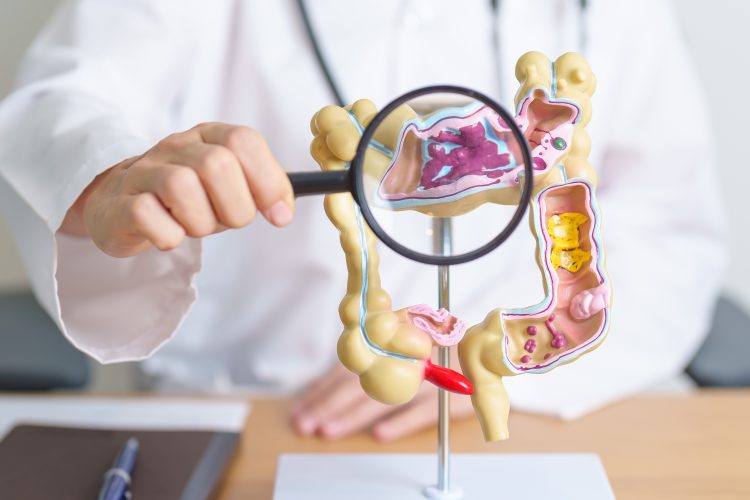
Dr Justin Taylor of Sylvester Comprehensive Cancer Center has identified a promising drug combination that shrinks colorectal tumours in preclinical models.
List view / Grid view
Dr Justin Taylor of Sylvester Comprehensive Cancer Center has identified a promising drug combination that shrinks colorectal tumours in preclinical models.
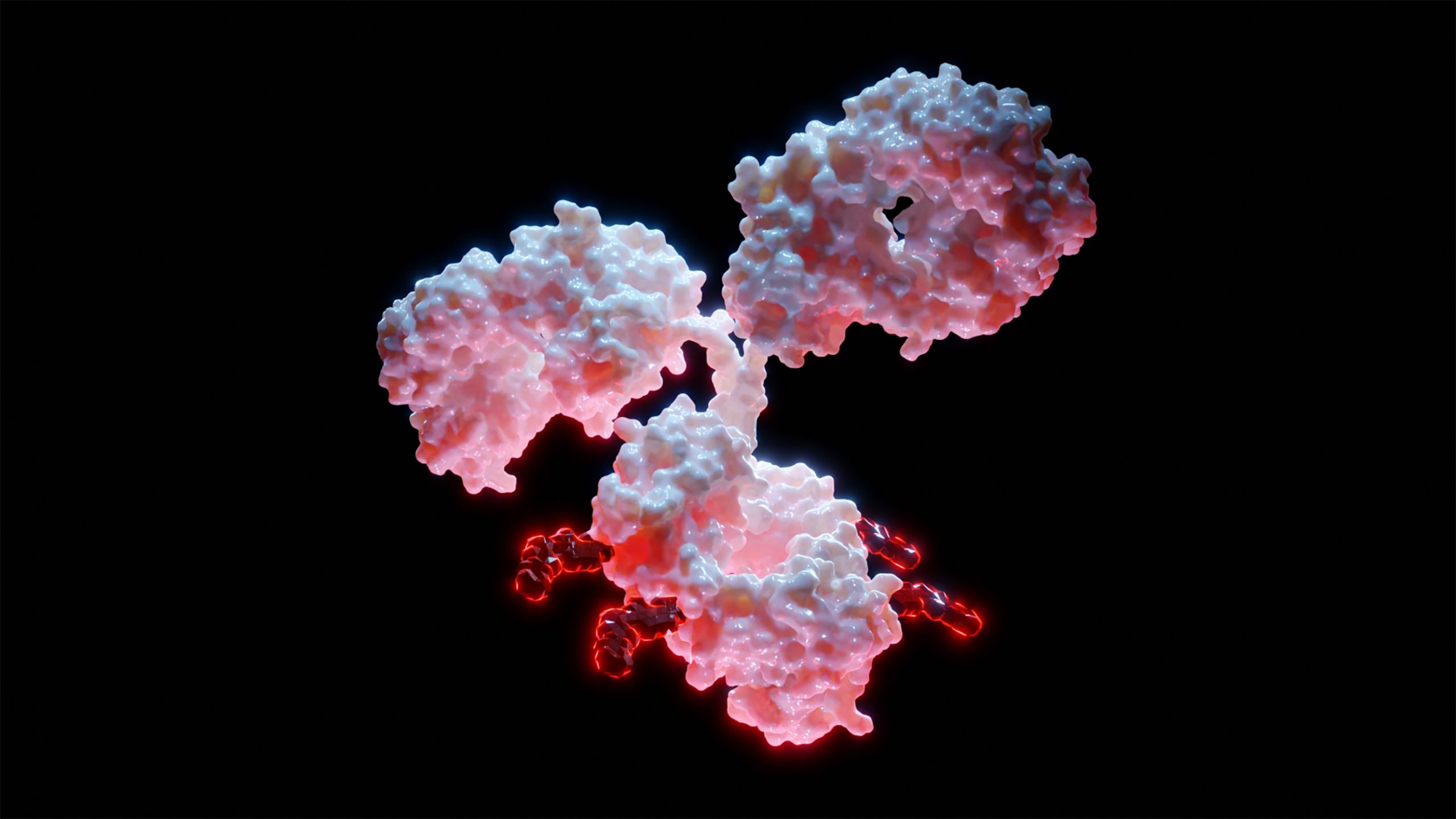
DTR speaks with Dr Patrick van Berkel at ADC Therapeutics to discuss how the company is transforming exatecan delivery to achieve better health outcomes.
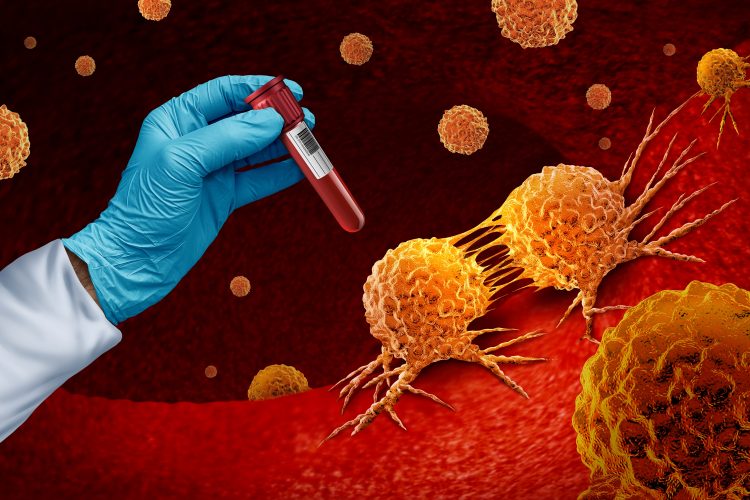
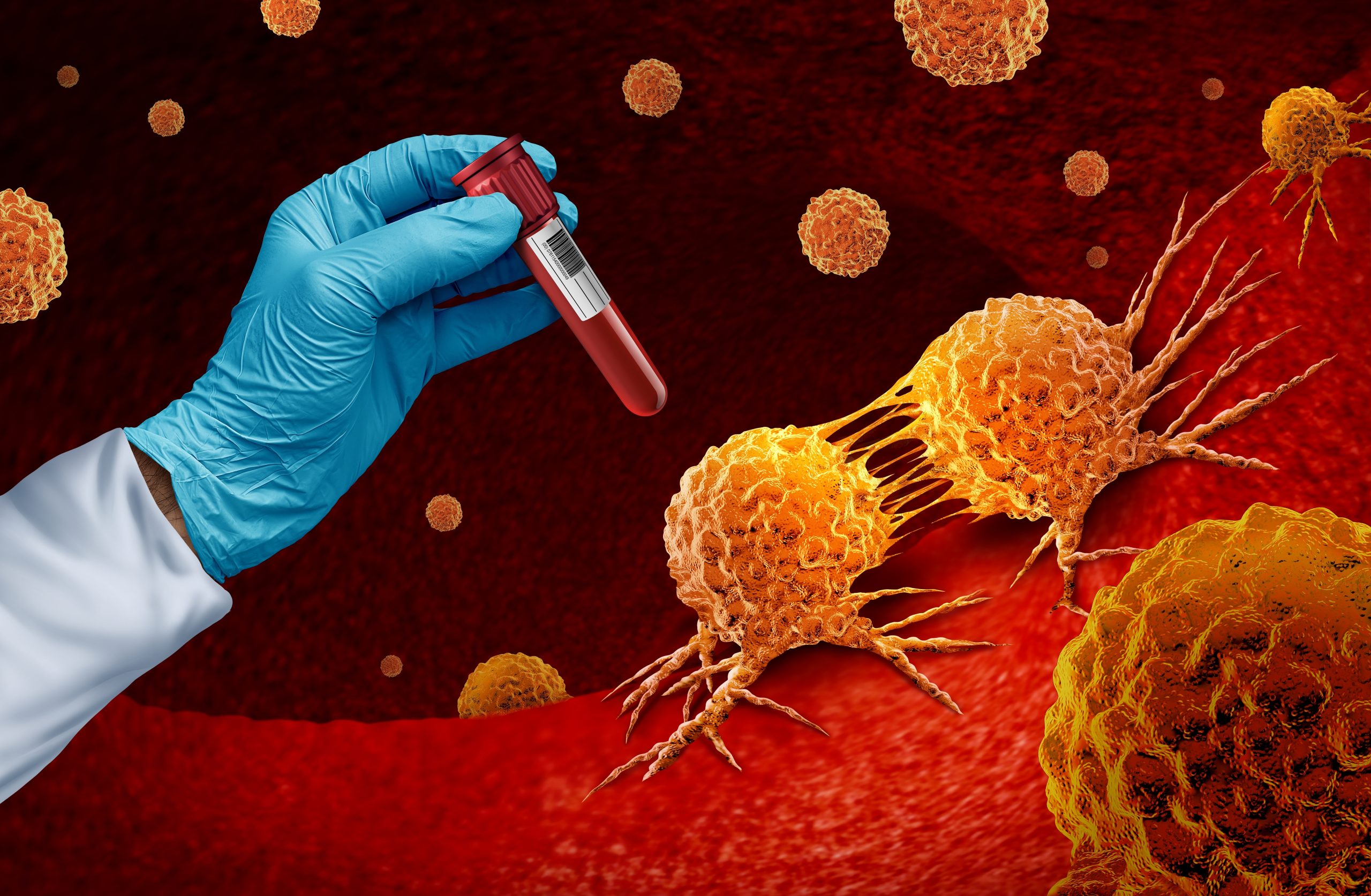
A breakthrough in molecular imaging could transform how doctors target solid tumours, offering more personalised and effective treatment options.
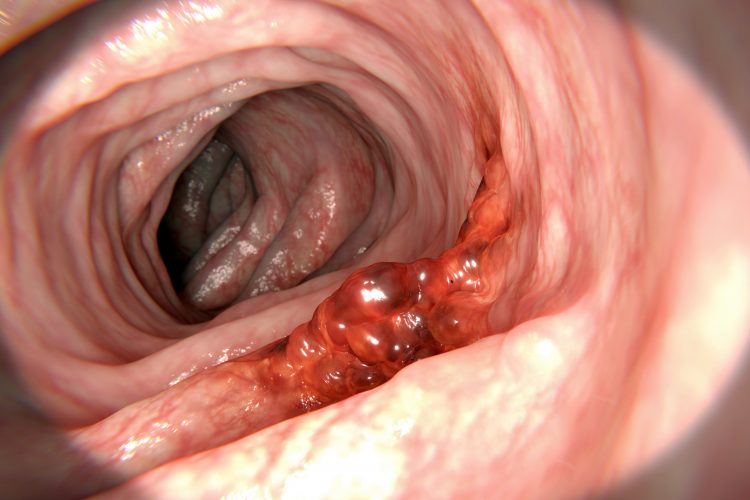
Understanding how MMR-deficient colorectal cancers drive tumour growth and avoid immune detection could pave the way for personalised cancer medicine.
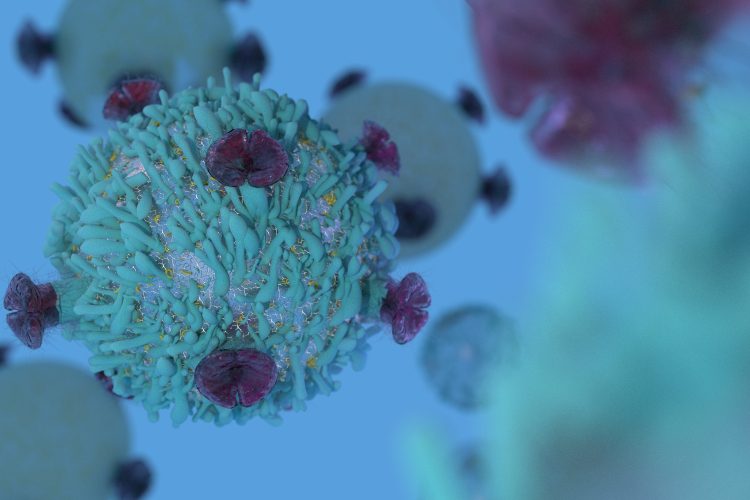
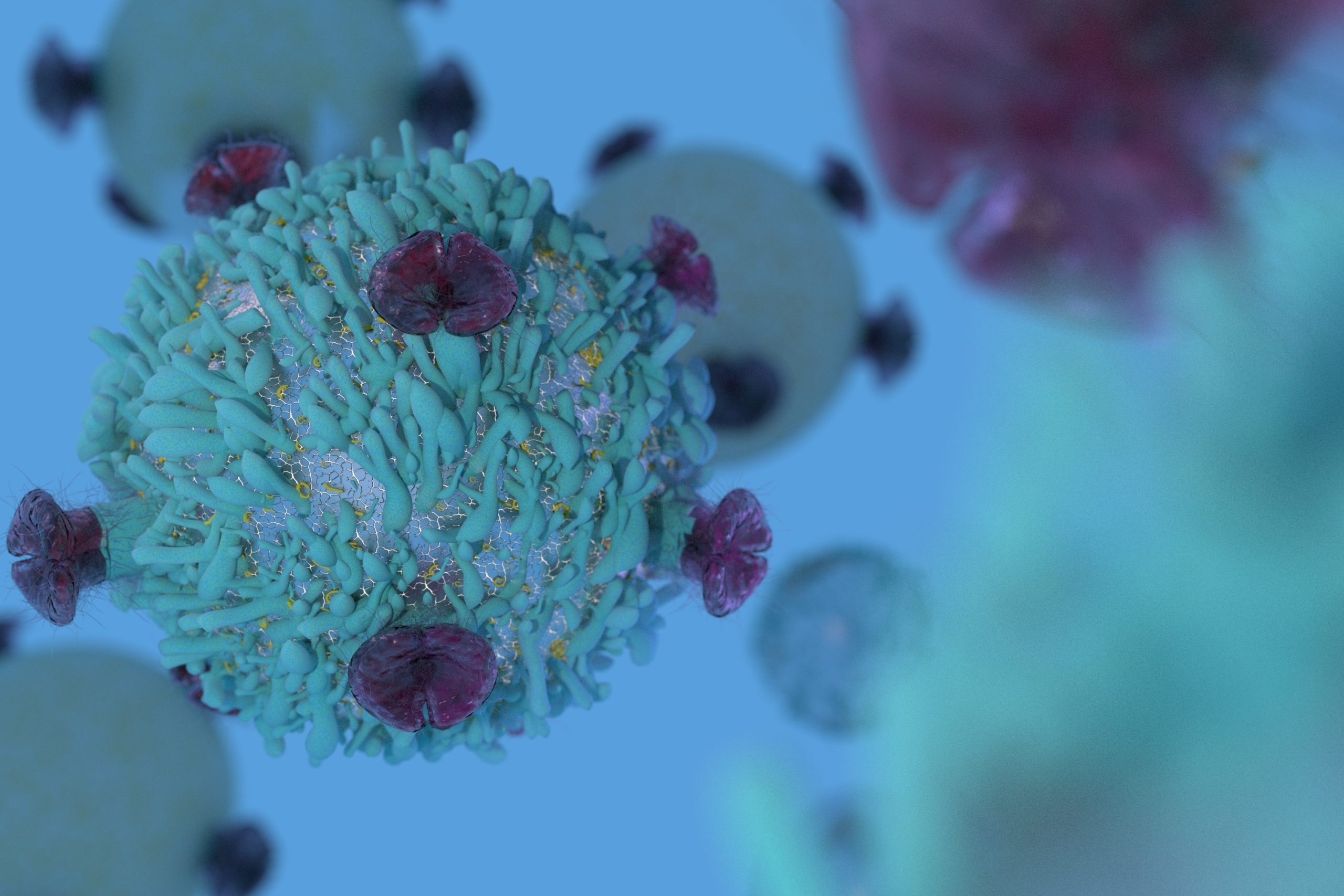
In this Q&A, Associate Director, Research at Immunocore, Dr Ana Pereira Ribeiro, talks about IMC-R117C, a T cell receptor bispecific immunotherapy directed towards a novel target, PIWIL1, and about to enter Phase I testing in colorectal and gastrointestinal cancers.
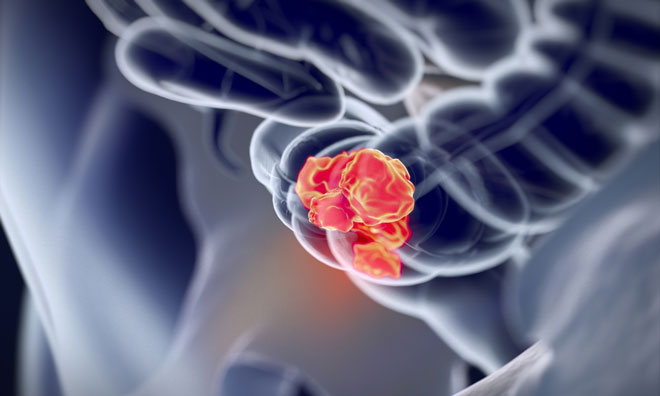
Confounder control and quantitative profiling revealed misleading associations between microbial markers and colorectal cancer development.
The mini-colons are topobiologically complex, can be induced to develop tumours in targeted areas and reduce the use of animal models.
The discovery that one missing copy of MUTYH could increase the risk of cancers may lead to therapeutics against solid tumours.
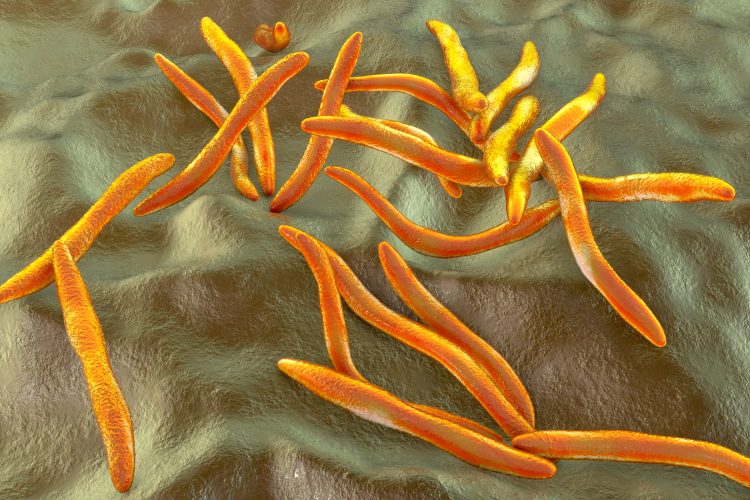
Researchers have discovered two distinct lineages of Fusobacterium nucleatum, which has great implications for colorectal cancer screening and therapeutics.
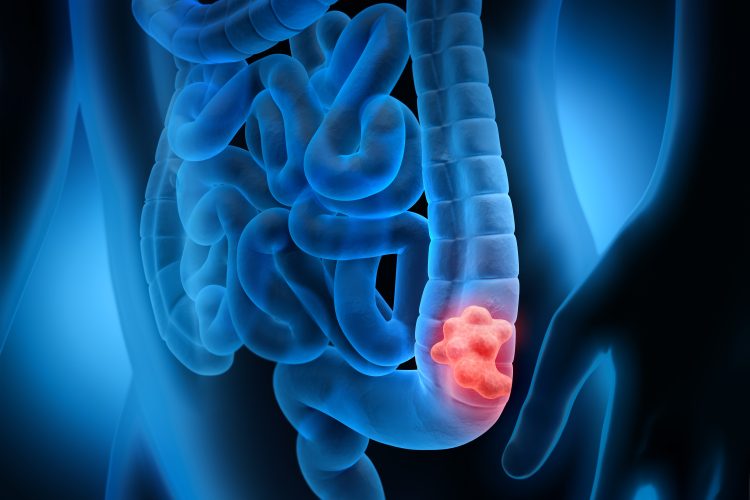
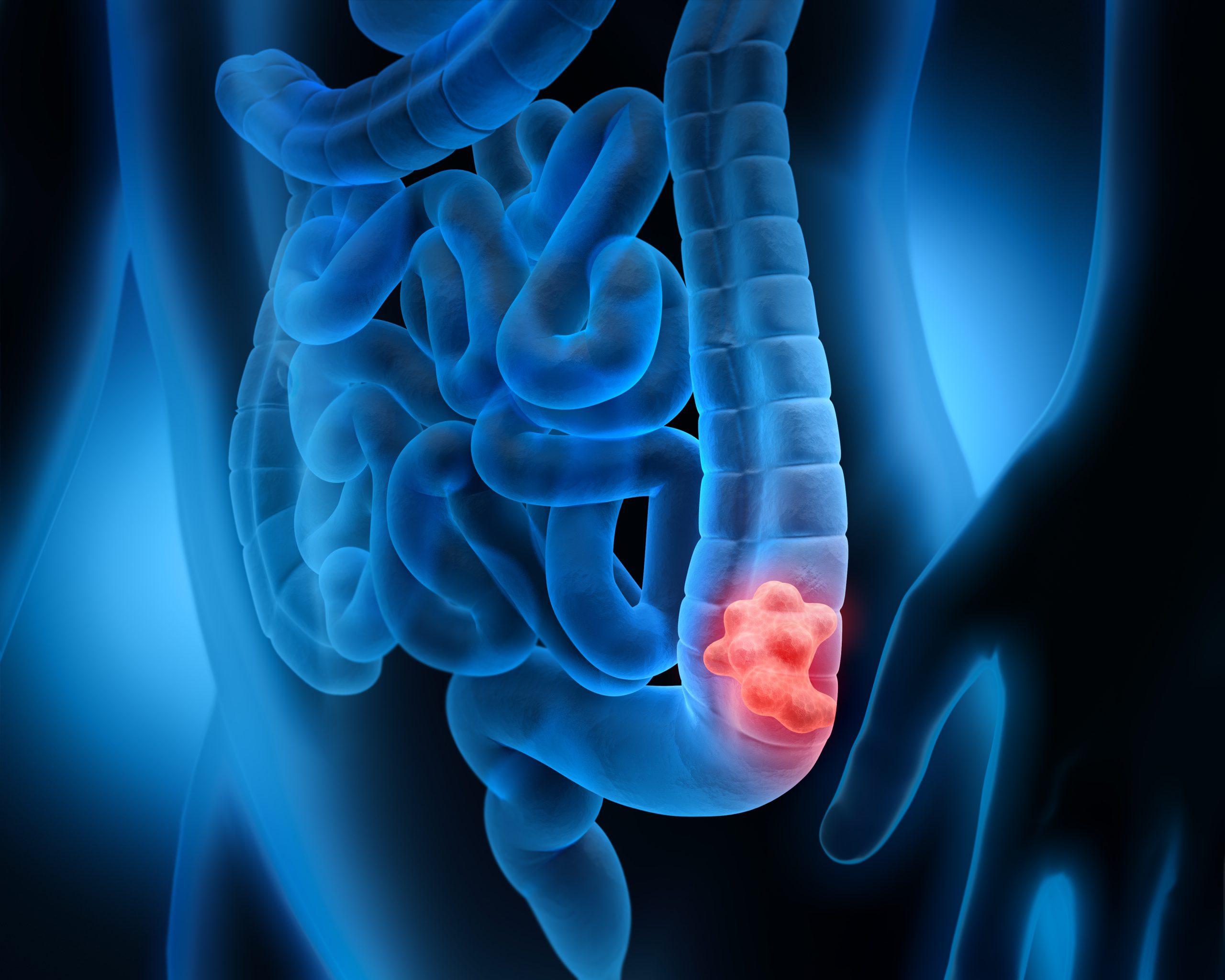
The Organoid Group have discovered a link between FBXW7 mutations and the EGFR signalling pathway, which could improve colorectal cancer treatments.
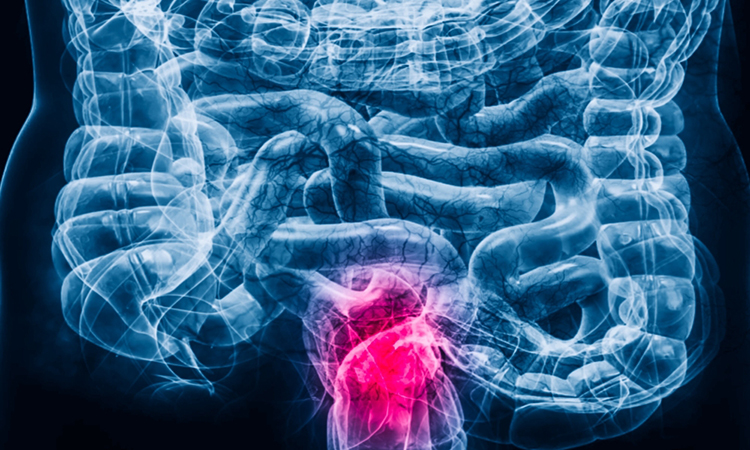
Researchers have generated a SASP atlas of human colon fibroblasts and assessed the resulting transcriptome.
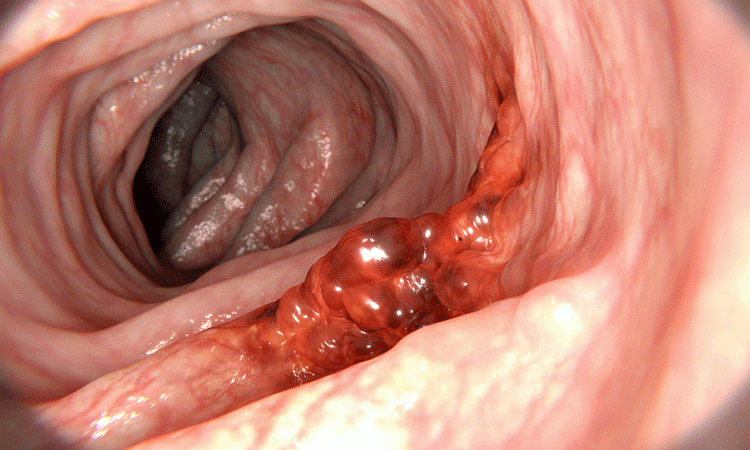
New insights about young-onset CRC tumour-related bacteria could lead to new diagnostic markers and therapeutic targets.
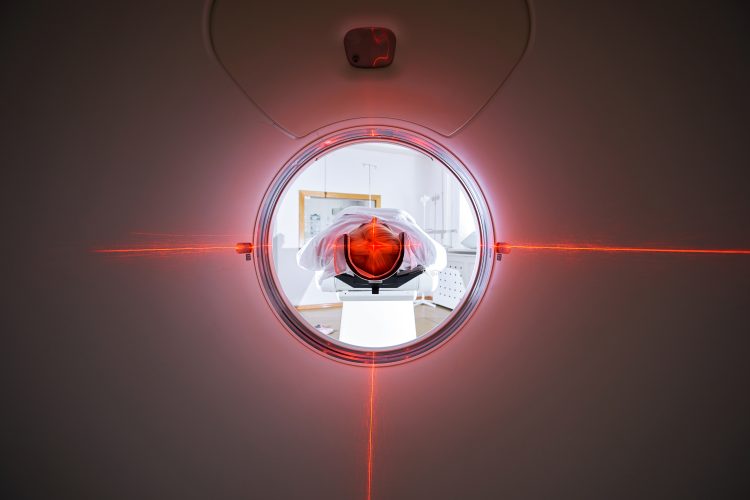

Lactate producing bacteria is responsible for rewiring metabolic signalling pathways, causing resistance to radiation therapy.
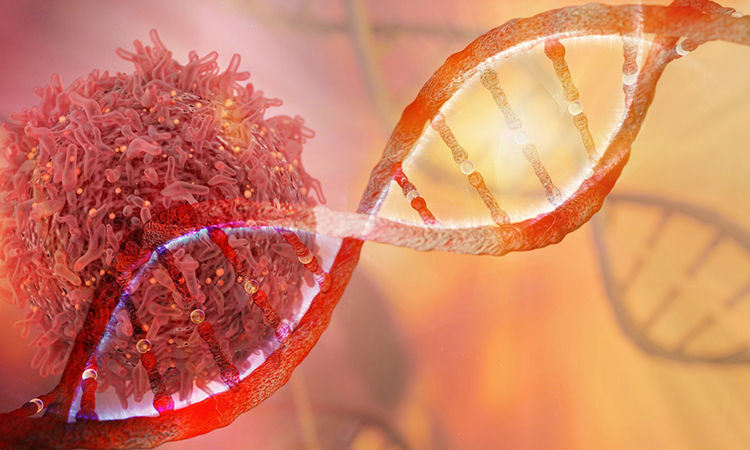
US investigators find that some cases of Lynch syndrome, the most common hereditary cancer condition, are missed in younger patients under current screening guidelines.
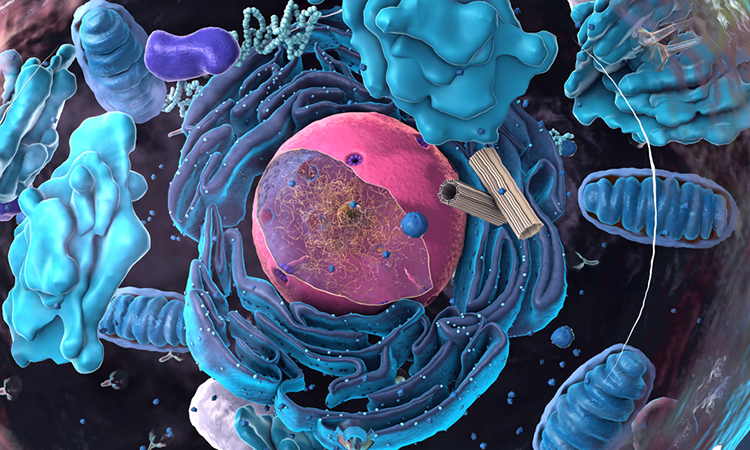
In this interview with Drug Target Review’s Izzy Wood and Dr Isaac Klein, Chief Scientific Officer at Dewpoint Therapeutics, discuss the innovative potential of condensate biology in revolutionising drug discovery. By targeting disease-driving condensates, Dewpoint’s research pushes boundaries by offering new hope for tackling diseases like ALS and colorectal cancer.
