



All Drug Repurposing articles – Page 2
-
 Article
Pomegranate-derived compound shows therapeutic potential in heart disease
Researchers at Cardiff University have identified urolithin A – a compound produced by gut bacteria during the metabolism of substances found in pomegranates – as a new approach for treating cardiovascular disease.
-
 News
NewsStudy suggests senolytic therapies could slow spinal disc degeneration
Thomas Jefferson University researchers have demonstrated that senolytic therapies targeting cellular senescence may delay early intervertebral disc degeneration, a major cause of chronic back and neck pain.
-
 News
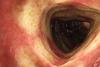
NewsRepurposed cancer drugs target root cause of Crohn’s Disease
Researchers at the University of Houston have identified epithelial stress signalling as a key driver of Crohn’s disease and demonstrated that two FDA-approved cancer drugs can interrupt the pathological cycle of cell death and inflammation.
-
 News
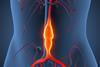
NewsOsteoporosis drugs may slow progression of aortic aneurysms
Researchers at Nagoya University have identified clonal haematopoiesis as a driver of aortic aneurysm progression and demonstrated that FDA-approved osteoporosis therapies targeting the RANK/RANKL pathway can significantly slow disease progression in preclinical models.
-
 News
NewsCombining antibodies with natural compounds may improve Alzheimer’s treatment
Researchers at the University of Waterloo have demonstrated that combining anti-amyloid antibodies with naturally derived small molecules, such as resveratrol and curcumin, may improve therapeutic outcomes in Alzheimer’s disease.
-
 News
NewsZebrafish drug screening identifies precision therapies for autism
Yale University researchers have created a behavioural drug screening database using zebrafish models to identify FDA-approved compounds that reverse disrupted behaviours linked to autism risk genes.
-
 News
NewsCOPD drug roflumilast may help fight breast cancer lung metastasis
University of Colorado Anschutz Cancer Center scientists have uncovered how metastatic breast cancer cells exploit pulmonary repair pathways to establish tumours in the lungs.
-
 News
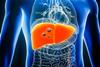
NewsAMD3100 drug could boost immunotherapy in rare liver cancer
A rare liver cancer that primarily affects young people may soon have a new treatment option, after researchers found that an existing FDA-approved drug could enable immunotherapy to work effectively against tumours.
-
 News
NewsHIV drug Maraviroc could be used to slow glioblastoma growth
Researchers have discovered how seemingly supportive brain cells help glioblastoma thrive, whilst identifying an existing HIV drug, Maraviroc, that could be repurposed to slow tumour growth.
-
 News
NewsPitavastatin identified as potential treatment for triple-negative breast cancer
A commonly prescribed cholesterol-lowering drug, called pitavastatin, could be used to treat patients with triple-negative breast cancer, after researchers found that it has the ability to block a key cancer survival protein.
-
 News
NewsNew study identifies genetic weakness in deadly Candida auris fungus
Scientists at the University of Exeter have discovered a genetic process in the deadly hospital fungus Candida auris, which could help to develop new treatments.
-
 News
NewsRomidepsin drug combo proves effective against resistant childhood cancer
Australian researchers have identified a promising drug combination that can bypass treatment resistance in relapsed neuroblastoma, offering hope in the fight against one of the deadliest childhood cancers.
-
 News
NewsDexamethasone may halt metastases in resistant breast cancer
Researchers have discovered that dexamethasone, a widely used anti-inflammatory drug, could help combat metastases in hormone-resistant ER+ breast cancer.
-
 News
NewsOral arginine reduces harmful amyloid in Alzheimer’s models
A naturally occurring amino acid commonly found in supplements has reduced harmful amyloid build-up and eased symptoms in animal models of Alzheimer’s disease.
-
 News
NewsDeepTarget tool helps identify secondary cancer drug targets
A new computational tool, DeepTarget, is demonstrating context-specific targets and repurposing opportunities, showing that what may be a side effect in one patient could serve as a treatment in another.
-
 News
NewsExisting nerve pain drugs may help stop bone cancer spread
Scientists have discovered that two existing pain medications – bupivacaine and rimegepant – may not only relieve the severe pain caused by osteosarcoma but also slow the disease’s growth.
-
 News
NewsPemafibrate and telmisartan combo may reverse fatty liver
A new study shows that approved drugs, pemafibrate and telmisartan, when combined, can reduce liver fat and may lower cardiovascular risk in metabolic dysfunction-associated steatotic liver disease.
-
 News
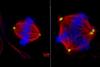
NewsTargeting EZH2 may prevent triple-negative breast cancer spread
A new study has revealed that the enzyme EZH2 triggers abnormal cell division that fuels metastasis, and blocking this enzyme with existing drugs could restore normal cell behaviour to stop cancer from spreading.
-
 News
NewsGlioblastoma treatment boosted by new drug combination strategy
Researchers in China have discovered how glioblastoma adapts to low-oxygen conditions – revealing a new treatment strategy that combines an orphan drug with standard chemotherapy to overcome resistance.
-
 Article
Inside the search-and-develop model tackling 1,000 untreated skin diseases
With over 1,000 skin diseases lacking approved treatments, a search-and-develop model is changing how new therapies are sourced and developed. Chief Scientific Officer, Jacob Pontoppidan Thyssen, outlines the strategy behind it.
- Previous Page
- Page1
- Page2
- Page3
- Page4
- Next Page