



All Immuno-oncology articles – Page 2
-
 News
NewsNew dual-action drug candidate extends survival in pancreatic cancer models
Researchers have developed a dual-mechanism compound that significantly extended survival in preclinical pancreatic cancer models by simultaneously activating immune responses and blocking suppressive pathways.
-
 News
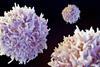
NewsNew imaging reveals how immune cells destroy cancer
Cryo-expansion microscopy has enabled researchers to visualise the three-dimensional organisation of cytotoxic T lymphocytes destroying cancer cells in their near-native state, revealing nanoscale structural details of the immune synapse and cytotoxic granules that could refine immuno-oncology therapeutic strategies.
-
 Article
Anticipating adaptation: understanding and overcoming cancer drug resistance
Neil Bhowmick explores how understanding the mechanisms of cancer drug resistance has reframed our approach to treatment, revealing containment and control as realistic goals for therapeutic strategies.
-
 News
NewsNew AI-designed T-cell engager LGTX-101 to be presented at AACR in San Diego
LabGenius Therapeutics will present preclinical data for LGTX-101, its AI-designed Nectin-4 x CD3 T-cell engager, at AACR 2026 in San Diego.
-
 News
NewsSonoPIN ultrasound method shows promise for targeted cancer therapy
A new ultrasound-based technique developed by researchers at Duke University uses microbubbles to deliver cancer drugs directly into tumour cells, showing promise for highly targeted treatments that cause minimal damage to healthy tissue.
-
 Article
Making immunotherapy safer and more accessible through continuous digital monitoring
Immunotherapies such as CAR-T are extending survival, yet reliance on inpatient monitoring for cytokine release syndrome continues to restrict access. This article explores how continuous digital monitoring and AI-driven analysis could enable safer outpatient delivery and support more scalable immunotherapy adoption.
-
 News
NewsBispecific EGFR/EphA2-targeting ADC shows promise in colorectal cancer
Promatix Biosciences Ltd has announced positive preclinical data for its first-in-class bispecific antibody–drug conjugate, PBS293-MMAE, demonstrating enhanced tumour selectivity, improved suppression and reduced toxicity in colorectal cancer models.
-
 News
NewsAMD3100 drug could boost immunotherapy in rare liver cancer
A rare liver cancer that primarily affects young people may soon have a new treatment option, after researchers found that an existing FDA-approved drug could enable immunotherapy to work effectively against tumours.
-
 Article
Engineering the next generation of T-cell engagers
T-cell engagers are a branch of immunotherapy that has undergone considerable change since their clinical inception. Andrew J Souers, VP, Oncology Discovery Research at AbbVie, elucidates the current understanding of their biology and expanding focus areas of application.
-
 News
NewsHow vaccine structure shapes immune response to HPV tumours
Researchers have discovered that reorganising a single cancer-targeting peptide within a spherical nucleic acid vaccine dramatically boosts the immune system’s ability to attack HPV-driven tumours.
-
 Article
Targeting inflammatory cell death to tackle relapse in AML
Relapse in acute myeloid leukaemia is driven by malignant cells that resist standard treatment. A synthetic cytokine approach in development targets inflammatory cell death pathways to suppress leukaemic cells while preserving healthy haematopoiesis.
-
 News
NewsHow aggressive breast cancer evades the immune system
Researchers in China have discovered a previously unknown mechanism that allows aggressive breast cancers to avoid immune attack, while simultaneously exposing a weakness that could make these tumours especially responsive to existing immunotherapy treatments.
-
 Article
Why patient-derived biology matters for ADC discovery
What can we learn from tumours after they stop responding to treatment? By studying patient tissue directly, researchers are finding new ADC targets that conventional screening often misses.
-
 News
NewsNew organ-on-a-chip captures ageing immune responses to cancer vaccines
Scientists have developed an organ-on-a-chip platform that replicates age-related immune decline, offering a long-missing tool for testing cancer vaccines in older adults.
-
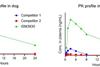 News
NewsAI powers discovery of new CBLB inhibitor ISM3830
Insilico Medicine has announced ISM3830, an AI-designed CBLB inhibitor that has demonstrated promising preclinical results.
-
 News
NewsWhy TIGIT cancer therapies work in monkeys but not humans
A new study reveals that TIGIT, a key immune checkpoint targeted by cancer drugs, behaves differently in rhesus macaques and humans, suggesting current animal tests may be misleading drug development.
-
 News
NewsTargeting p300 may boost immunotherapy in kidney cancer
Researchers have discovered how renal medullary carcinoma cells evade immunotherapy by mimicking immune cells, driving rapid tumour progression.
-
 News
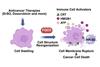
NewsFGD3 protein enhances breast cancer therapies
Scientists have identified a little-known protein, FGD3, that can boost the power of key breast cancer treatments by helping drugs rupture tumour cells and activate the immune system.
-
 Article
CD24 emerges as the next macrophage checkpoint
With CD47 therapies constrained by safety, attention is turning to CD24 as a macrophage checkpoint target. Pheast’s PHST001 has now entered the clinic.
-
 Article
What’s changing in cancer drug discovery – and why it matters now
Take part in a live Q&A with oncology experts as they explore the scientific advances driving cancer drug discovery.