



All Immuno-oncology articles
-
 News
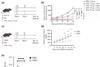
NewsVaccine adjuvant AS01 shown to induce trained immunity in monocytes
A preclinical study published in Myeloid Cells reports that AS01, a vaccine adjuvant system, can induce trained immunity in human monocytes and reduce tumour growth in selected mouse cancer models.
-
 News
NewsMayo Clinic strategy restores CAR T targets on aggressive thyroid tumours
Mayo Clinic researchers have shown that approved thyroid cancer drugs can restore a key antigen on aggressive tumour cells, making them visible once more to CAR T cells and improving treatment outcomes in preclinical models.
-
 News
News‘Plug-and-play’ CAR T platform enables post-infusion immune cell reprogramming
City of Hope researchers have developed a modular ‘plug-and-play’ CAR T-cell platform that enables post-infusion reprogramming of engineered immune cells, offering a potential solution to treatment resistance driven by tumour evolution.
-
 News
NewsWhat SIRPα reveals about how breast cancer takes hold in the brain
Scientists at Wake Forest University School of Medicine have uncovered a previously unrecognised cancer-intrinsic role for SIRPα in triple-negative breast cancer, linking the cell-surface protein to mitochondrial fission, tumour-cell migration and suppression of the brain’s immune defences.
-
 News
NewsSalk researchers uncover how interferons switch from anti- to pro-cancer
Researchers at the Salk Institute have identified a cellular pathway through which prolonged interferon exposure triggers mitochondrial dysfunction, PGE2 production and suppression of anti-tumour immunity – offering a potential strategy for overcoming immunotherapy resistance.
-
 News
NewsRegnase-1 deletion boosts CAR T-cell efficacy against paediatric osteosarcoma
St Jude researchers have demonstrated that deleting the Regnase-1 gene from CAR T cells significantly improves tumour control and prevents metastasis in preclinical models of relapsed osteosarcoma, paving the way for an early-phase clinical trial.
-
 News
NewsHER3-DXd and olaparib combination boosts lung cancer treatment responses
A new preclinical study finds that combining the antibody-drug conjugate HER3-DXd with PARP inhibitor olaparib significantly improves treatment responses in NSCLC models, including those harbouring EGFR and KRAS mutations, by overwhelming DNA repair capacity and activating innate immune signalling.
-
 News
NewsIL-17 identified as potential immunotherapy biomarker in ovarian cancer
A new study has identified IL-17 as a potential biomarker for immunotherapy response in a small subset of clear cell ovarian cancer cases, offering a possible route to personalised treatment for a disease historically resistant to immune-based therapies.
-
 News
NewsExhausted T cells escape tumours to drive lasting cancer immunity
A preclinical study has identified a subset of exhausted, LAG3-expressing T cells capable of migrating out of tumours to establish long-term immune memory, with potential implications for LAG3-targeting cancer immunotherapies.
-
 Article
Fibroblast barrier linked to immunotherapy resistance in colorectal cancer
Why do some colorectal cancers resist immunotherapy? Analysis of patient tumour samples has identified a population of fibroblasts that could help explain treatment resistance.
-
 News
NewsHow CAR T cells are being engineered to target tumour’s ‘soft spot’
A preclinical study published in Nature Biomedical Engineering describes a synthetic biology approach that converts the physical softness of cancer cells into a targetable signal for CAR-T immunotherapy, potentially addressing a key resistance mechanism in solid tumours.
-
 News
NewsHow dendritic cells organise tumour immunity – and why drug developers should take notice
A new study published in Science identifies a specialised dendritic cell subset as the cellular architects behind tertiary lymphoid structures, offering a potential new target for boosting anti-tumour immunity and converting immunologically cold tumours into treatment-responsive ones.
-
 Webinar
Meeting ethical & regulatory requirements when using human biological specimens
Whether you source, purchase or work with human biospecimens, understanding today’s ethical and regulatory expectations is essential. Join this webinar to explore informed consent, privacy and the principles that support responsible research.
-
 News
NewsNew bispecific T cell engager platform targets ovarian cancer in preclinical studies
Scientists at The Wistar Institute have engineered a DNA-delivered bispecific T cell engager using a ‘knob-into-hole’ antibody platform, demonstrating improved persistence and dual-antigen targeting in preclinical ovarian cancer models.
-
 News
NewsTumour organoids may expand access to targeted cancer drugs
Two studies from Weill Cornell Medicine demonstrate that patient-derived tumour organoids can accurately replicate cancers long-term and incorporate immune microenvironments, offering new potential for personalised treatment selection.
-
 News
NewsSpatial map reveals hidden complexity of bladder cancer tumours
Researchers at MD Anderson Cancer Center have used spatial transcriptomics to chart the internal architecture of muscle-invasive bladder cancer, revealing that luminal and basal cancer cell programmes coexist within single tumours – a finding with significant implications for treatment stratification.
-
 Article
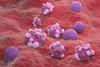
Synthetic iMSCs: reprogramming ovarian cancer from the inside out
Ovarian cancer has long proved difficult to treat. Could the answer lie within the disease itself? Discover how synthetic iMSCs could reprogramme the tumour microenvironment and restore anti-tumour immunity.
-
 News
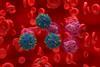
NewsBlocking cathepsin B protein enhances CAR T-cell therapy effectiveness
University of Maryland researchers have discovered that blocking cathepsin B protein prevents CAR T-cells from losing effectiveness, potentially improving long-term outcomes for blood cancer patients. The preclinical findings reveal that engineered immune cells inadvertently weaken themselves by acquiring tumour fragments, a process that can be prevented through targeted protein inhibition.
-
 Report
Context is everything: how spatial biology is changing our understanding of disease
Discover how spatial biology is revealing disease mechanisms with implications for biomarkers, immunotherapy and drug development.
-
 News
NewsNew framework evaluates AI reliability in immune system prediction
Researchers at the University of South Florida have developed a comprehensive framework to test how accurately AI systems can predict immune responses, addressing critical questions about the reliability of computational tools in drug discovery.