



News – Page 2
-
 News
NewsNew framework standardises glioma organoid research for translational studies
A collaborative review published in Neuro-Oncology establishes a unified classification system for glioma organoid models, addressing inconsistent terminology and methodology across the rapidly expanding field.
-
 News
NewsAI-powered $6M project targets new Alzheimer’s treatments
A $6 million NIH-funded collaboration between Indiana University School of Medicine and Luddy School of Informatics aims to deploy AI and machine learning to identify promising Alzheimer’s drug candidates, screening billions of compounds to overcome traditional discovery bottlenecks.
-
 News
NewsNew kidney water regulation mechanism could improve polycystic kidney disease treatment
Scientists at Mayo Clinic have discovered a previously unknown mechanism by which kidneys regulate water balance, offering new therapeutic possibilities for polycystic kidney disease patients experiencing severe side effects from current treatments.
-
 News
NewsCopper drug Cu(ATSM) reduces Alzheimer’s proteins by 42 percent in preclinical study
A copper-delivering compound has demonstrated the ability to restore blood-brain barrier clearance mechanisms, reducing amyloid-beta accumulation by 42 percent and improving spatial learning by 44 percent in Alzheimer’s disease models, according to research published in ACS Chemical Neuroscience.
-
 News
NewsGlycine transporter suppression restores NMDAR function in autism models
Researchers have identified a novel therapeutic strategy for autism spectrum disorder by suppressing the glycine transporter SLC6A20, successfully restoring NMDA receptor function in both mouse models and human cortical organoids carrying SHANK2 and SHANK3 mutations.
-
 News
NewsMineralised DNA hydrogel accelerates bone repair in preclinical studies
A mineralised DNA hydrogel has demonstrated accelerated bone repair and improved tissue mineralisation in preclinical studies, offering a potential new approach to treating difficult bone defects through combined immune regulation and sustained regeneration.
-
 News
NewsCytokine-armoured CAR T cells target glioblastoma while reducing treatment toxicity
UCLA Health researchers have developed cytokine-armoured CAR T cells that directly attack glioblastoma tumours whilst recruiting the body’s wider immune system. The engineered cells showed improved tumour control in mouse models and could address antigen heterogeneity challenges that have limited CAR T therapy success in solid tumours.
-
 News
NewsAI-designed miniproteins target GPCRs in drug discovery
GPCRs account for a significant proportion of approved drug targets, yet selectively controlling their activity remains a major challenge. Researchers have now used AI-assisted protein design to create miniproteins capable of activating or inhibiting these receptors, providing an alternative strategy for targeting this important class of membrane proteins.
-
 News
NewsRadiotherapy boosts CAR T cell survival in solid tumours
Mount Sinai researchers have discovered that focused irradiation significantly enhances CAR T cell therapy effectiveness in solid tumours by promoting dendritic cell-mediated antigen presentation, enabling sustained immune cell expansion within the tumour microenvironment whilst minimising off-target toxicity.
-
 News
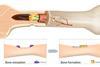
NewsNotch2 enables breast cancer dormancy in protective bone marrow niches
New research has demonstrated how breast cancer cells exploit protective bone marrow niches to remain dormant for years, identifying Notch2 signalling and stem cell-like markers as key regulators of cellular dormancy that could inform therapeutic strategies to prevent relapse.
-
 News
NewsELRIG announces keynote speakers for Drug Discovery 2026 conference in London
ELRIG has announced its keynote speaker programme for Drug Discovery 2026, with LifeArc’s Dr Sam Barrell CBE delivering the opening address.
-
 News
NewsFerroptosis emerges as strategy against treatment-resistant digestive cancers
Researchers are investigating ferroptosis, an iron-dependent cell death pathway, as a potential approach to overcome treatment resistance in digestive cancers.
-
 News
NewsStudy suggests senolytic therapies could slow spinal disc degeneration
Thomas Jefferson University researchers have demonstrated that senolytic therapies targeting cellular senescence may delay early intervertebral disc degeneration, a major cause of chronic back and neck pain.
-
 News
NewsGene-based CIN score predicts breast cancer survival and immunotherapy response
A 13-gene chromosomal instability scoring system developed by Shanghai researchers correlates with survival outcomes and immunotherapy response in breast cancer patients.
-
 News
NewsAI platform identifies synergistic herbal medicine combinations for complex diseases
Chinese researchers have developed HerbSyner_Finder, an open-access computational platform that identifies synergistic combinations of herbal medicine ingredients from thousands of candidates.
-
 News
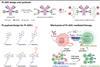
NewsPlatinum-antibody conjugates enhance immunotherapy while reducing chemotherapy toxicity
A novel platinum(IV)-antibody conjugate platform delivers low-dose chemotherapy directly to tumours, upregulating MHC-I expression and enhancing anti-PD-1 responses while minimising systemic exposure. The approach addresses immune evasion mechanisms that limit checkpoint inhibitor efficacy.
-
 News
NewsParse Biosciences and bit.bio map transcription factor-driven cell identity
Parse Biosciences and bit.bio have formed an alliance to map transcription factor-driven cell identity using single cell sequencing and causal transcriptomics.
-
 News
NewsHow researchers are recreating the human heart in the lab
Many promising therapies fail because preclinical models do not fully capture the complexity of the human heart. A new review explores how 3D cardiac constructs could improve disease modelling, drug screening and safety assessment.
-
 News
NewsMetabolic vulnerabilities identified in rare Fibrolamellar liver cancer
Researchers have identified metabolic vulnerabilities in Fibrolamellar cancer, a rare liver malignancy affecting adolescents and young adults, using functional profiling and mass spectrometry. The findings suggest chemotherapy-resistant tumours may be susceptible to metabolism-targeted therapies.
-
 News
NewsGinkgo Bioworks launches ADME-One platform for early-stage screening
Ginkgo Bioworks has launched ADME-One, an integrated platform combining high-throughput ADME testing with AI-powered human pharmacokinetic projections.