

Sleeping sickness project passes 20-month milestone
Posted: 30 November 2015 | Victoria White | No comments yet
The aim of the project is to design a drug to inhibit a key parasite enzyme involved in the conversion of blood sugars to energy, to be effective in small doses, even on advanced infections, and kill the parasite…
Scientists from the University of Edinburgh, working with Selcia, have successfully passed the 20-month milestone targets of a 30-month Wellcome Trust SDDi £2.5 million project to design novel treatments for sleeping sickness.
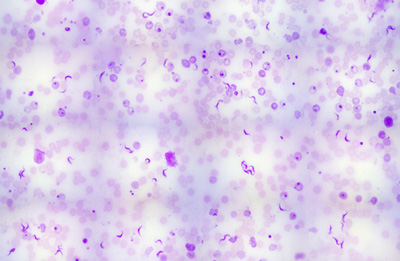
Sleeping sickness is spread by the bite of the tsetse fly and is prevalent in west and central Africa. It can damage the nervous system and cause coma, organ failure and death.
The aim of the project is to design a drug to inhibit a key parasite enzyme involved in the conversion of blood sugars to energy, to be effective in small doses, even on advanced infections, and kill the parasite.
Current treatments for the disease require high doses, can be fatal or cause debilitating side-effects and require long stays in hospital. The collaborative project team hopes to develop safe, effective medicines that can be given easily, prevent damage to the central nervous system and ultimately save lives.
Sleeping sickness is a neglected disease
Professor Malcolm Walkinshaw, of the University of Edinburgh’s School of Biological Sciences, said: “Sleeping sickness is a widespread, neglected disease which, if left untreated, is invariably fatal and current drugs are poorly effective. Working with Selcia, we have made excellent progress towards developing compounds that can be easily administered and may eventually help curb the disease’s impact.”
Dr Vicky Steadman, Director of Discovery at Selcia, said: “We are delighted to collaborate with the University of Edinburgh’s School of Biological Sciences. Both teams have worked well together to facilitate the success of the project. Selcia is committed to developing strong links with academic research teams. We see these partnerships as a key strategic element of our growing integrated drug discovery offering.”
Related topics
Drug Discovery
Related organisations
Edinburgh University, Selcia