


New stealth CRISPR method reduces immune interference in tumours
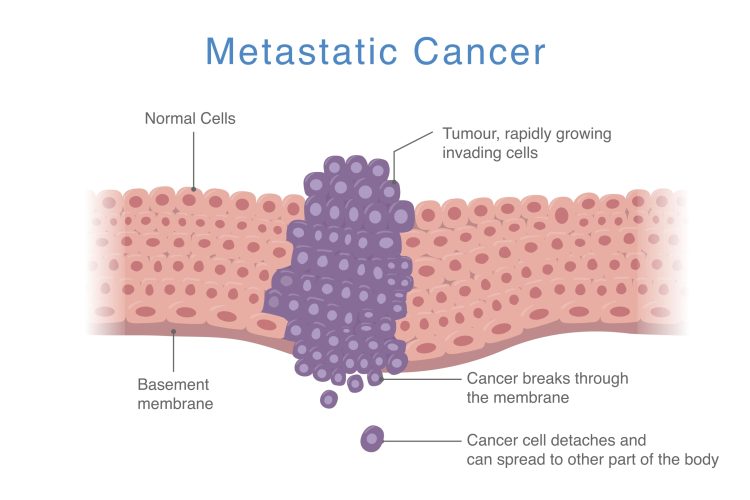
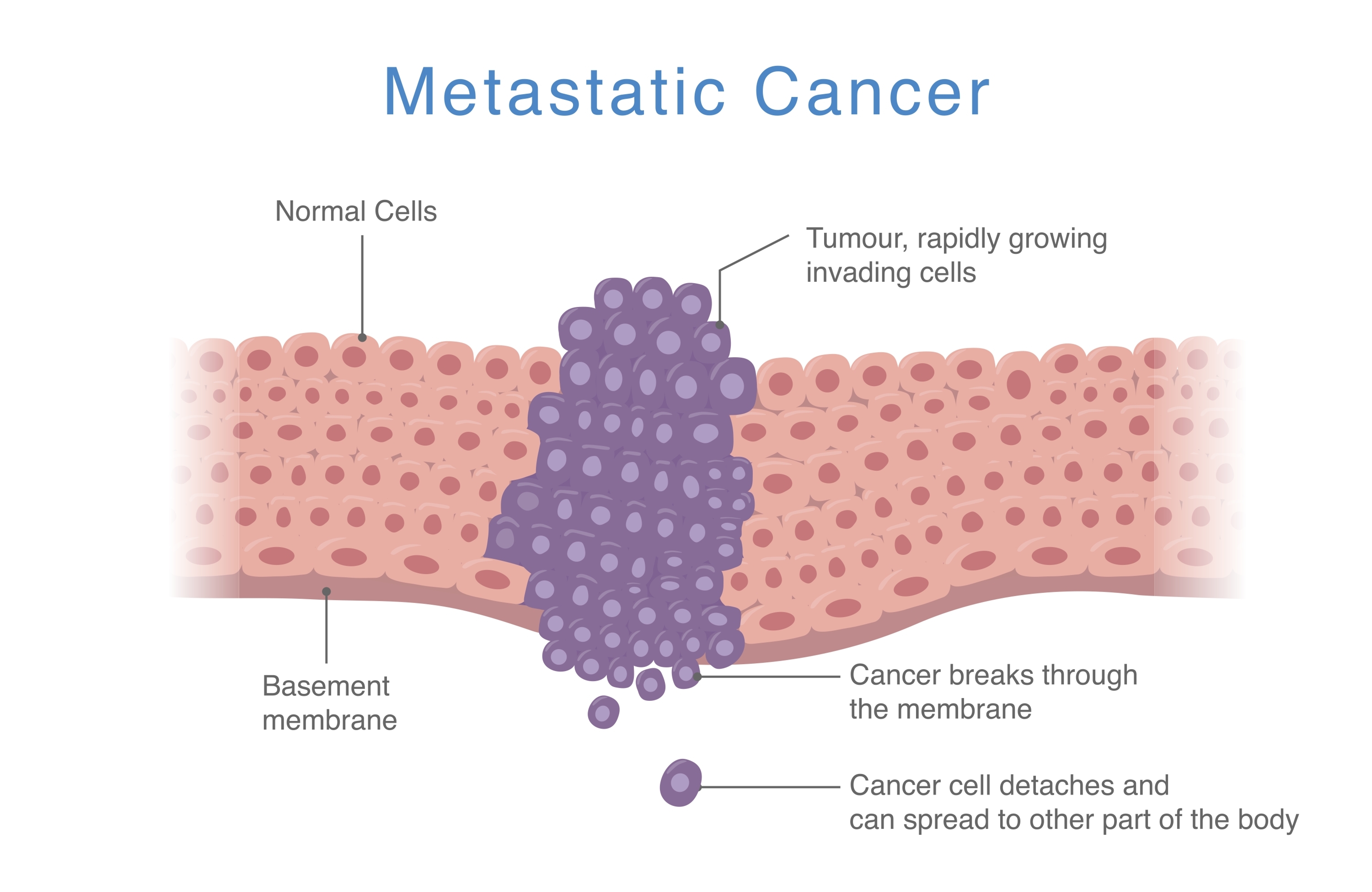
Researchers have developed a novel CRISPR method that evades the immune system in mice, allowing scientists to study tumour growth and metastasis more accurately.
List view / Grid view
Researchers have developed a novel CRISPR method that evades the immune system in mice, allowing scientists to study tumour growth and metastasis more accurately.

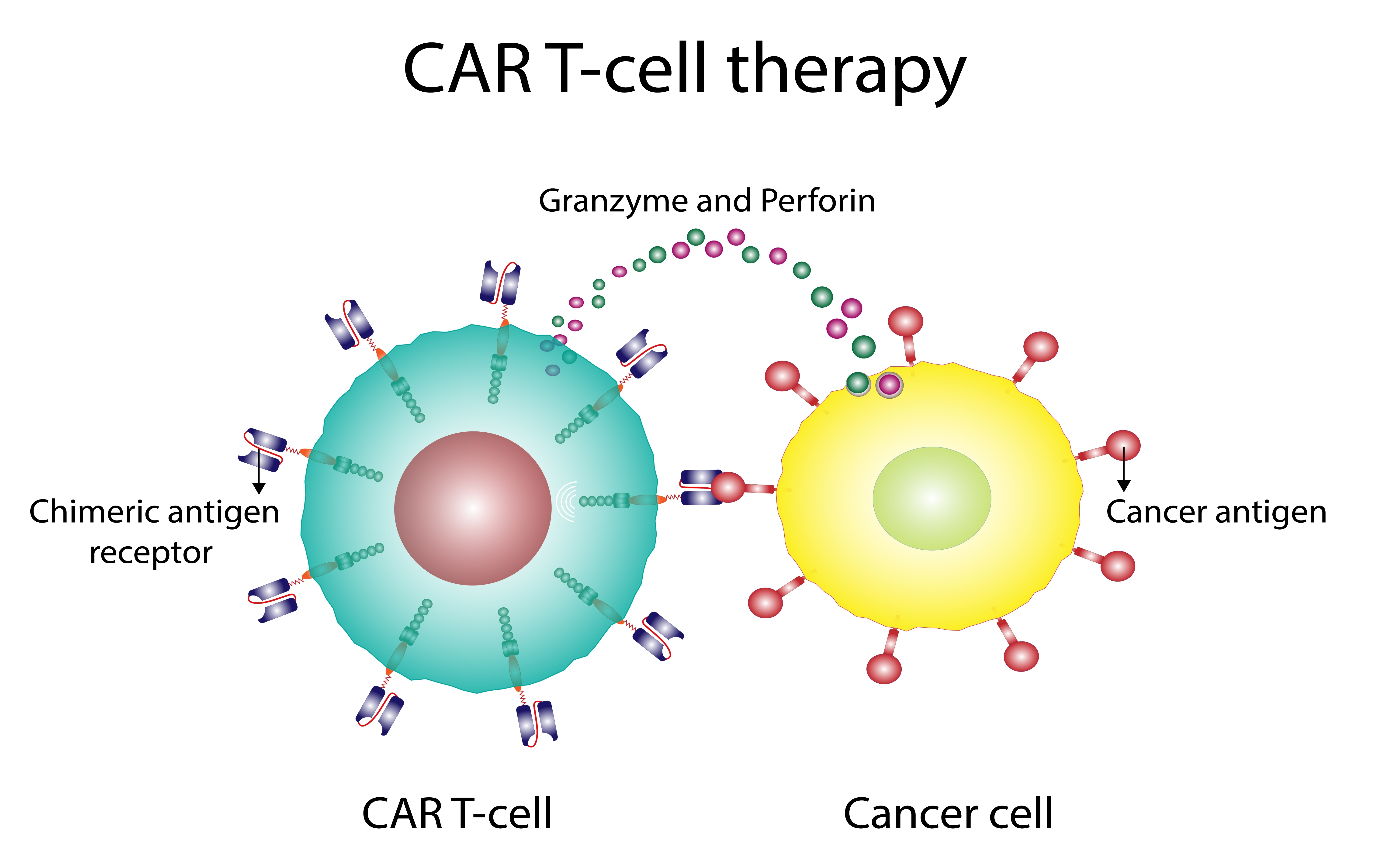
A new CAR-T treatment developed in Switzerland has shown striking early success against glioblastoma, one of the deadliest brain cancers, and is now moving towards human trials.


The UK is set to turn recycled nuclear fuel into new cancer treatments, thanks to a £18.8 million investment in a project using lead-212 to develop Targeted Alpha Therapies.


Patient-derived xenograft models are reshaping colorectal cancer research by preserving the complexity of real tumours, potentially helping scientists to develop new therapies in the future.
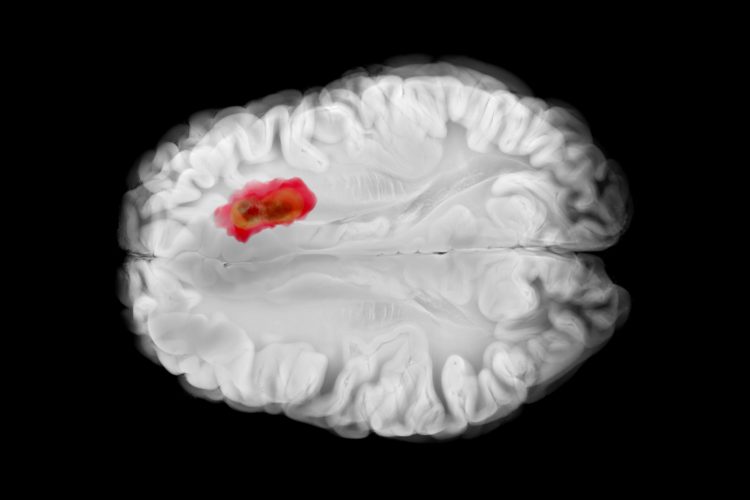
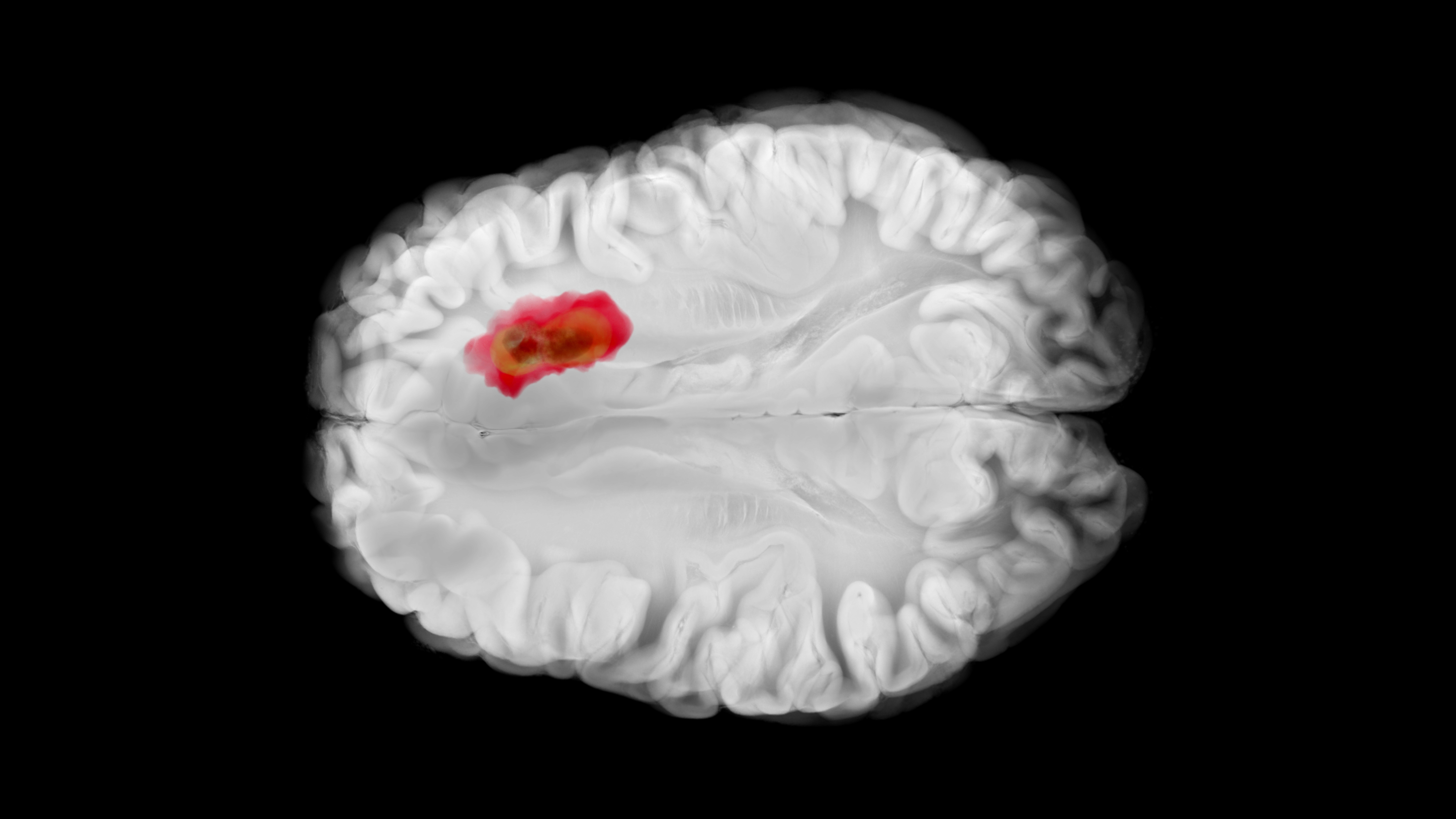
Scientists have discovered active bacterial traces inside brain tumours, overturning assumptions about the brain’s sterility and opening up new possibilities for understanding – and potentially treating – gliomas and brain metastases.
A new computational tool, DeepTarget, is demonstrating context-specific targets and repurposing opportunities, showing that what may be a side effect in one patient could serve as a treatment in another.
Researchers have shown that using CRISPR to disable the NRF2 gene can restore chemotherapy sensitivity and slow tumour growth.


Oxford-based techbio start-up Scripta Therapeutics has announced a $12 million seed funding round helping them to reshape conventional drug discovery.
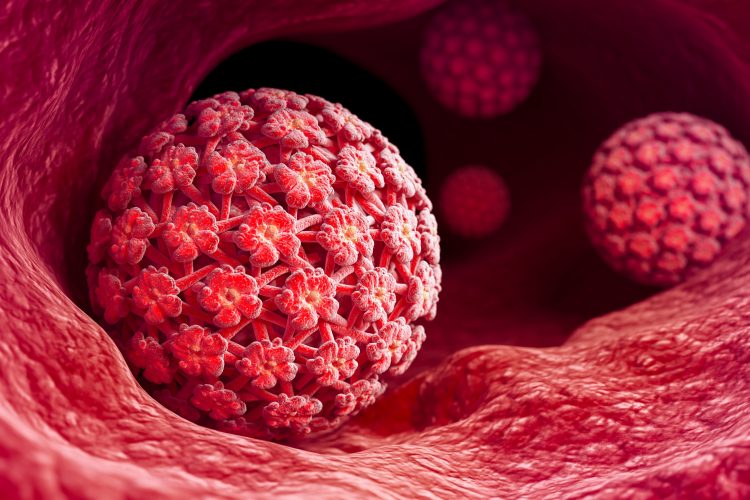
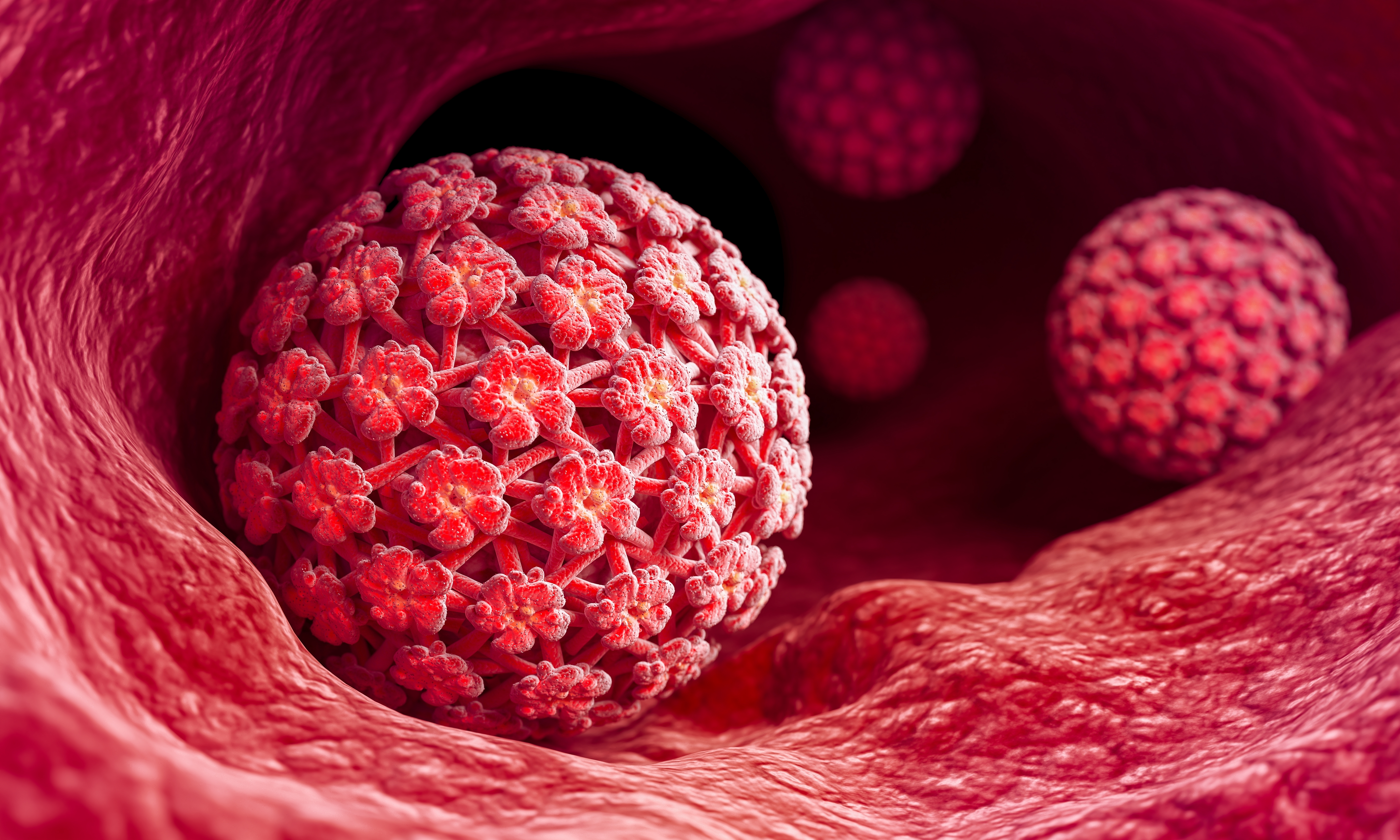
Japanese researchers have developed a nasal HPV vaccine that could offer a non-invasive, fertility-preserving alternative to surgery for cervical cancer.
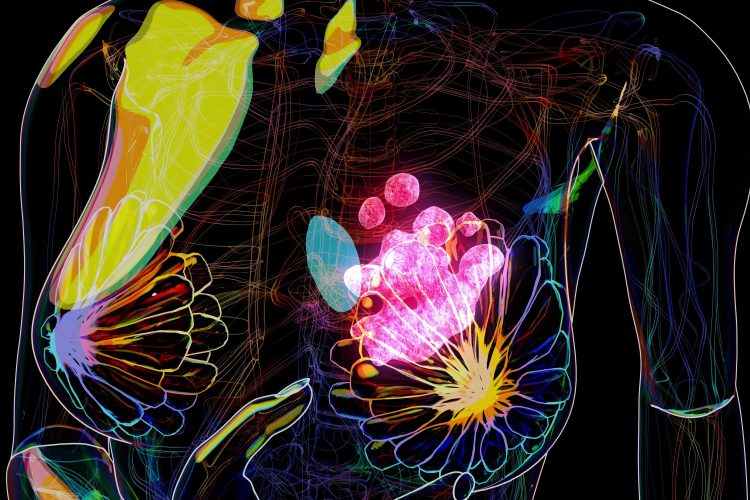
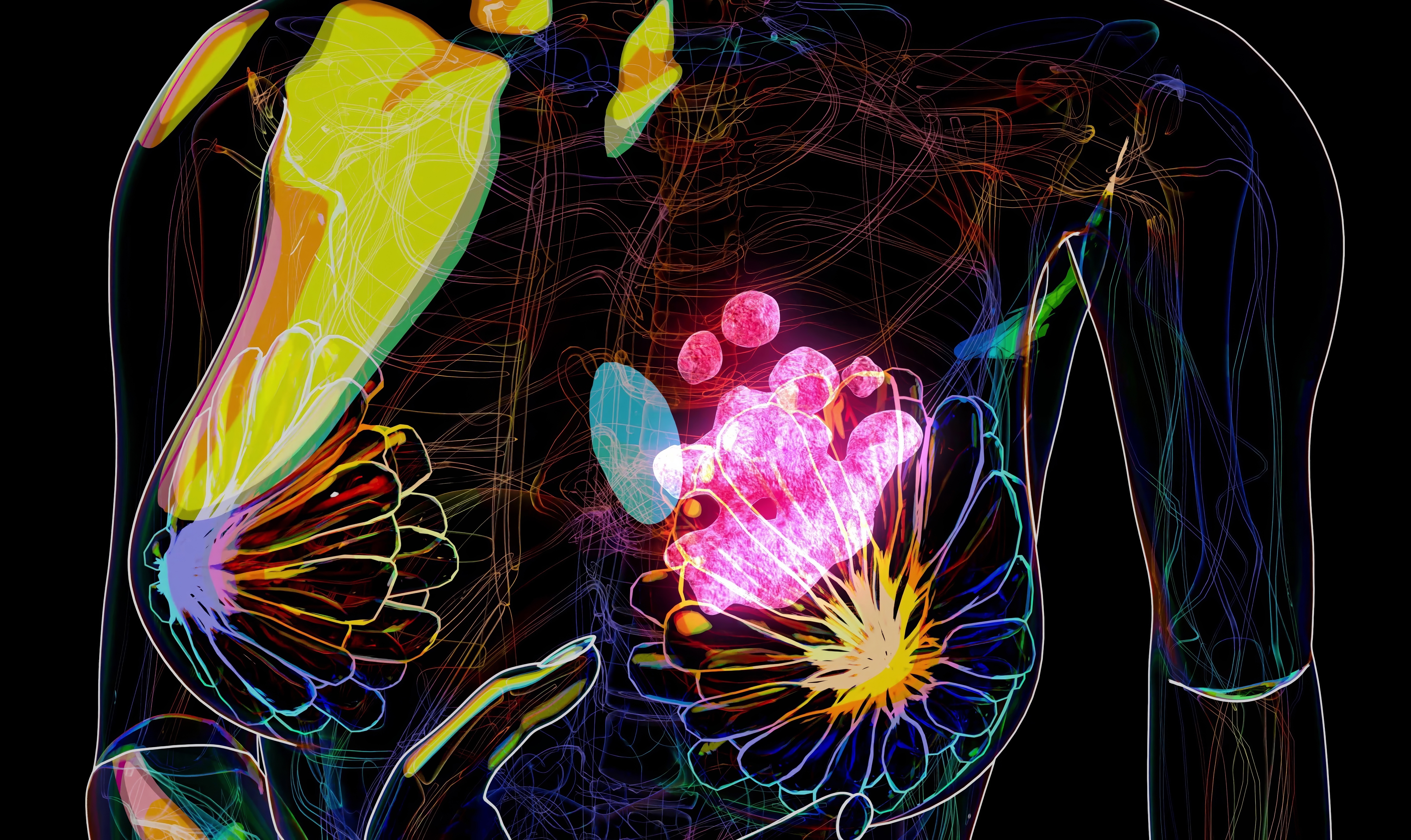
Scientists have identified a little-known protein, FGD3, that can boost the power of key breast cancer treatments by helping drugs rupture tumour cells and activate the immune system.
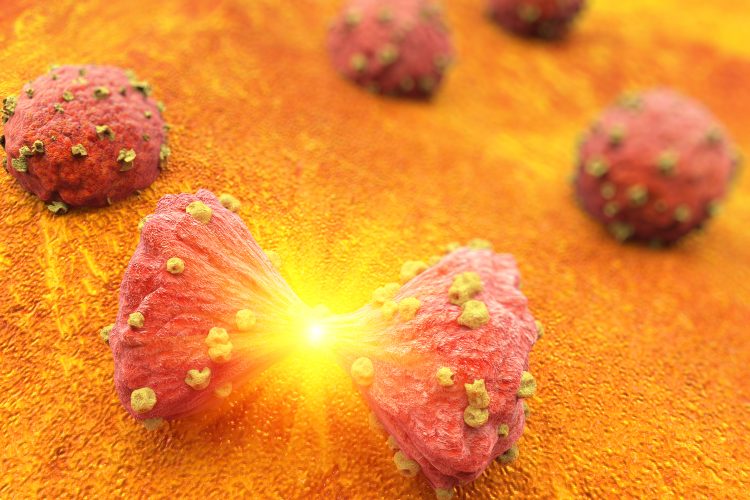

Scientists at Stanford University have discovered that older mice develop far fewer and less aggressive lung tumours than younger ones, challenging the long-held belief that cancer risk rises with age.


Antibody-drug conjugates (ADCs) are emerging as a breakthrough in the fight against gynaecological cancers, offering targeted treatment for cervical, ovarian and uterine tumours.


Shift Bioscience have announced new research revealing that AI-driven virtual cell models perform far better than previously thought when assessed with correctly calibrated metrics.
Researchers have identified a human gene, PARP14, that not only helps the body’s immune system to combat multiple viruses but could also potentially be used to treat inflammatory and autoimmune diseases.


Scientists have developed a new class of MRI contrast agents that are both more stable and 30 percent more effective than previous designs.
