Featured content
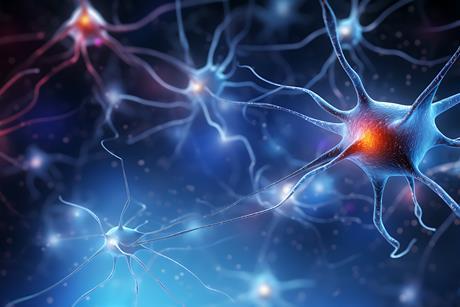
Searching for Alzheimer’s drug targets, one cell at a time
The PsychAD Consortium is using human genetics, single-cell genomics and automated screening to pinpoint potential drug targets for Alzheimer’s disease and investigate their therapeutic potential.
 Article
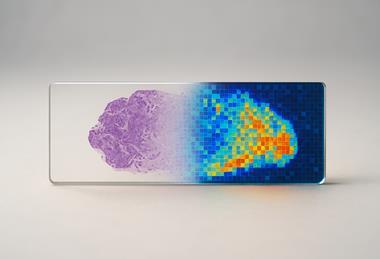
Why better technology does not always lead to better R&D decisions
Making better decisions in drug discovery is not down to implementing more tools. Here, Dr Harsh Shah reveals why teams must start by defining the scientific question.
 Article
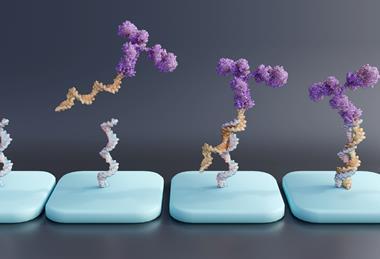
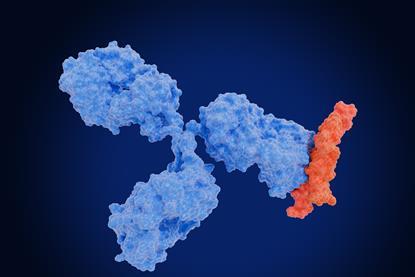
How asymmetric binding affinity enables reversible IL-12 switches
Stronger binding isn’t always better. Dr Teresa Barata of FairJourney Bio explains how researchers engineered a dual-specificity antibody switch designed to control IL-12 activity in tumours.
 Article
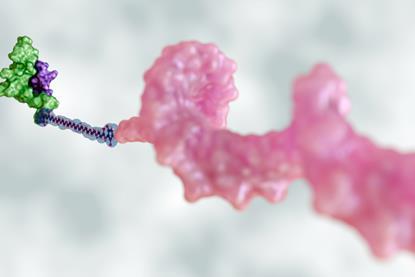
What tissue accumulation can reveal about oligonucleotide safety
Oligonucleotides can remain in tissues long after disappearing from circulation, but does accumulation necessarily indicate toxicity? Dr Tina Rogers examines the evidence needed to interpret preclinical safety findings.
News
 News
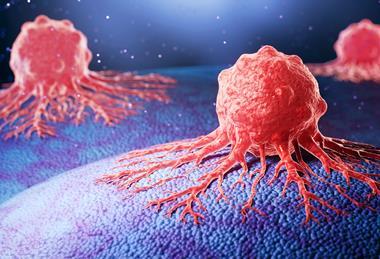
DALTAC prostate cancer strategy traps cancer proteins to overcome resistance
Researchers at the University of Michigan have developed a bifunctional small molecule approach that traps two prostate cancer-driving proteins in an inactive state.
 News
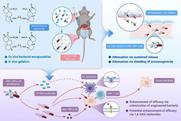
Sodium-triggered gel reduces toxicity of bacterial cancer therapy
A sodium-responsive gel designed to encapsulate tumour-targeting Salmonella has demonstrated substantially reduced treatment toxicity without compromising anti-tumour activity in preclinical mouse models, potentially reviving interest in bacterial cancer therapies.
 News
RCF awards $1m to advance tau-targeting drug discovery
The Rainwater Charitable Foundation has awarded more than $1m through its Sprint to Lead programme to support three one-year projects targeting tau protein in primary tauopathies, including PSP, CBD and FTD.
 News
Organ-on-a-chip model recreates head and neck tumour microenvironment
A postage stamp-sized microsystem incorporating cancer cells, blood vessel-like structures and nerves could transform how researchers study tumour growth, metastasis and treatment resistance in head and neck cancer.
From our partners
Report
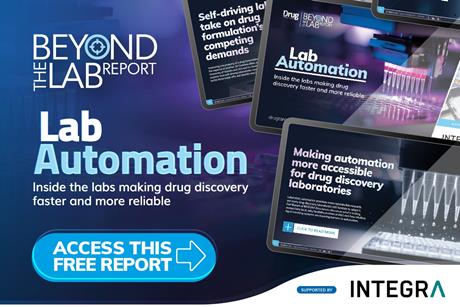
Lab Automation 2026: Inside the labs making drug discovery faster and more reliable
Six scientists and industry experts discuss the challenges of automating drug discovery, from improving screening reliability and reproducibility to developing more autonomous laboratories.
Webinar
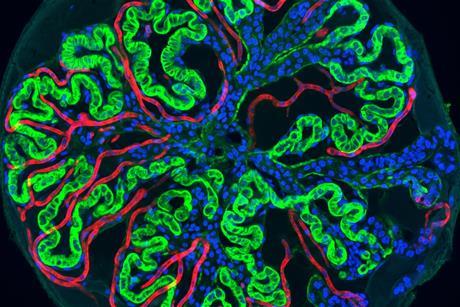
From vial to viable: best practices for culturing organoids
Poor recovery, inconsistent growth and changes in morphology can affect organoid research. How much experimental variability starts with the culture itself?
Opinion and interviews
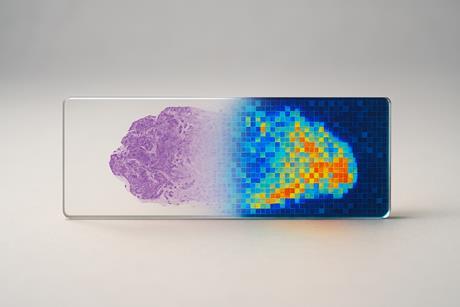
How multiomics can strengthen drug target discovery
How can multiomics help researchers identify more promising drug targets? Dr Shi-qi An explores how combining molecular data can reveal therapeutic vulnerabilities and mechanisms of drug resistance.
- Previous
- Next




Join now
Unlock exclusive industry insights
- Bookmark articles and resources to access anytime
- Enjoy free access to industry leading resources, webinars and insights
- Stay informed with the latest news and breakthroughs
- Receive updates and recommendations tailored to your research interests
Upcoming Webinars
Webinar
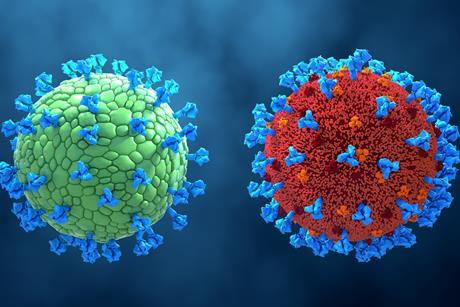
Virus-like particles for vaccine serology: from dengue VLP production to neutralising antibody detection
Find out how virus-like particles are produced at scale, and how they can be used to measure IgM, IgG and neutralising antibody responses in vaccine development.
Webinar
From vial to viable: best practices for culturing organoids
Poor recovery, inconsistent growth and changes in morphology can affect organoid research. How much experimental variability starts with the culture itself?
Virus-like particles for vaccine serology: from dengue VLP production to neutralising antibody detection
From vial to viable: best practices for culturing organoids
On-demand Webinars
- Previous
- Next