




news
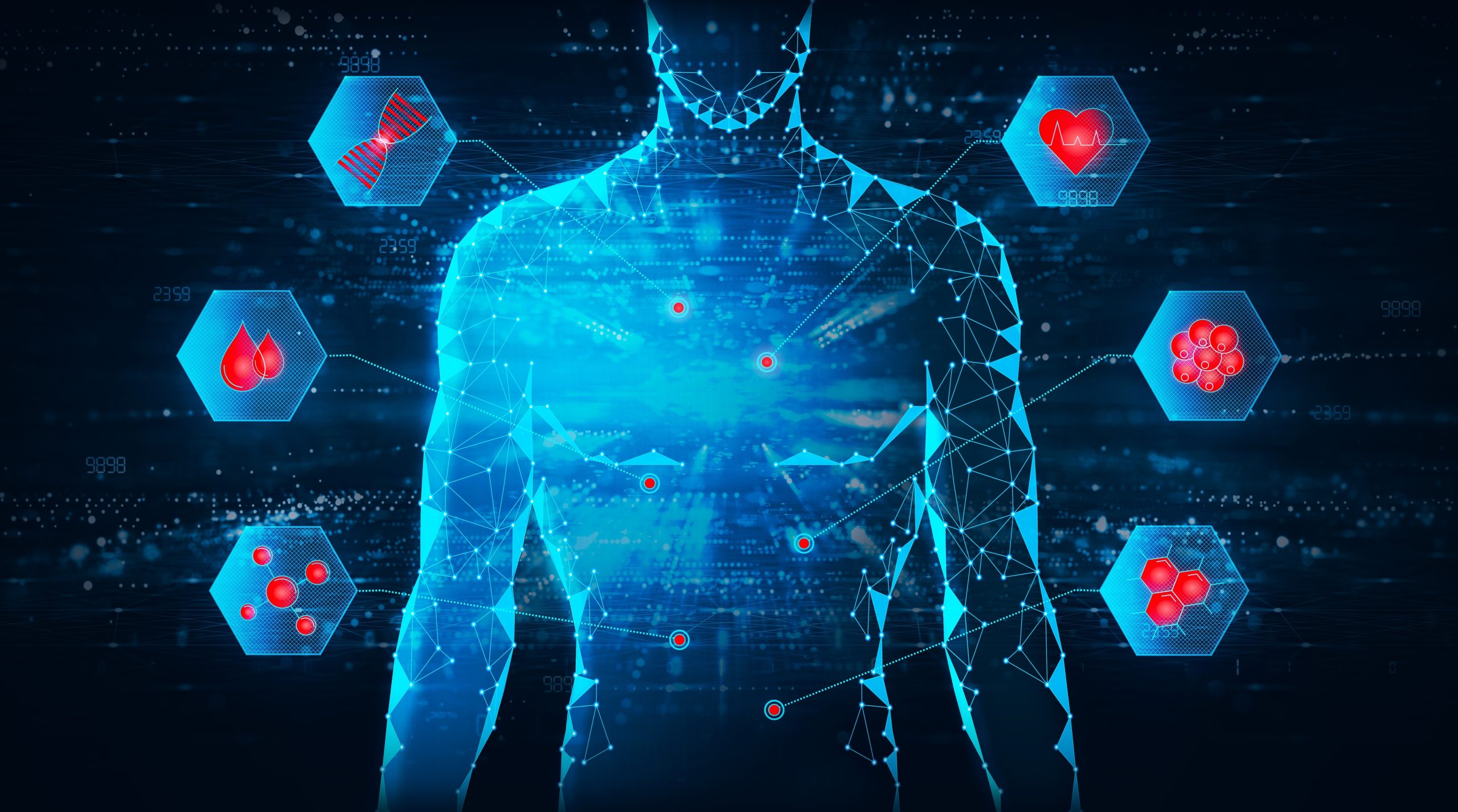
Insilico and Qilu partner to create generative AI cardiometabolic drugs
Insilico Medicine and Qilu Pharmaceutical Group are expanding their existing R&D collaboration to apply generative AI to cardiometabolic drug discovery.
List view / Grid view
Insilico Medicine and Qilu Pharmaceutical Group are expanding their existing R&D collaboration to apply generative AI to cardiometabolic drug discovery.
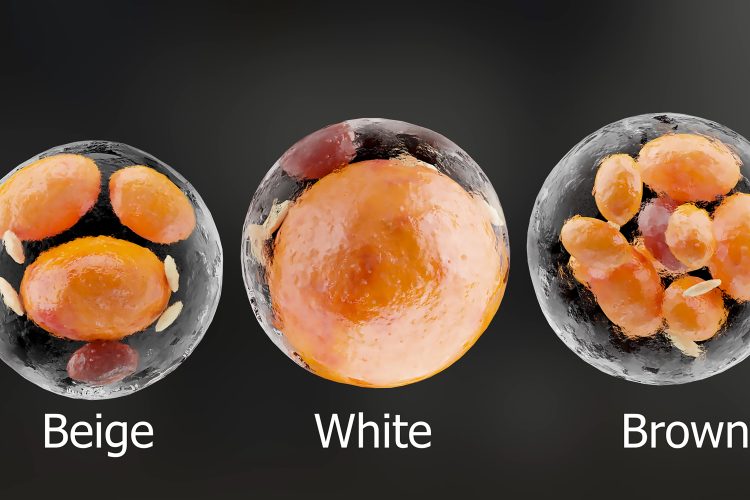

New research shows beige fat around blood vessels helps regulate blood pressure, offering potential pathways for future therapies to reduce cardiovascular risk.


Current obesity drug development remains overly focused on short-term weight reduction, despite obesity being a chronic, multifactorial disease. Broader, mechanism-driven approaches are needed to ensure durable efficacy, safety and accessibility.


Vish Srivastava considers the benefits of expanding the role of real-world data in drug discovery to provide improved therapies, faster and with greater success.
Can a cholesterol enzyme help treat an untreatable liver disease? Esperion’s ACLY programme is using multiomic and preclinical data to evaluate its potential in primary sclerosing cholangitis.
Dr Cyril Clarke at ICON Biotech reveals how biomarkers are transforming early-phase clinical trials by offering valuable insights into the safety and efficacy of novel therapies.
CNIC researchers have identified a mechanism in fat cells that helps them safely store excess fat, offering new insights for combating obesity and related metabolic diseases.

The success of CAR-Ts in oncology has stoked enthusiasm for developing comparable curative therapies in other disease areas. CellProthera’s Chief Scientific Officer, Ibon Garitaonandia, explains the potential and progress for CGTs in cardiology, where disease-modifying therapies are largely non-existent.
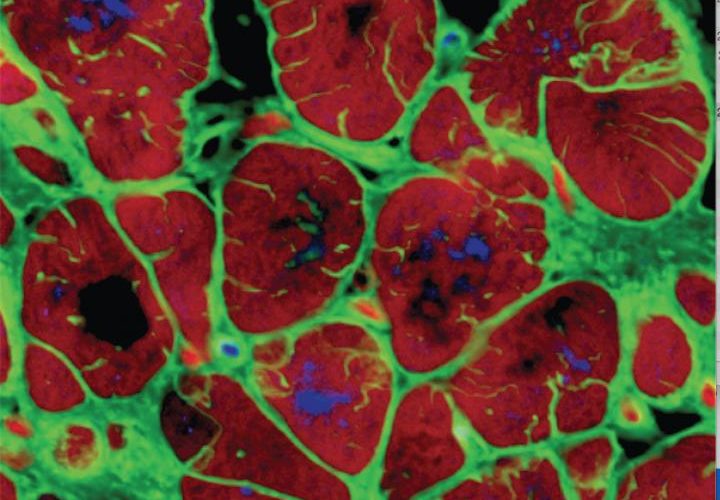
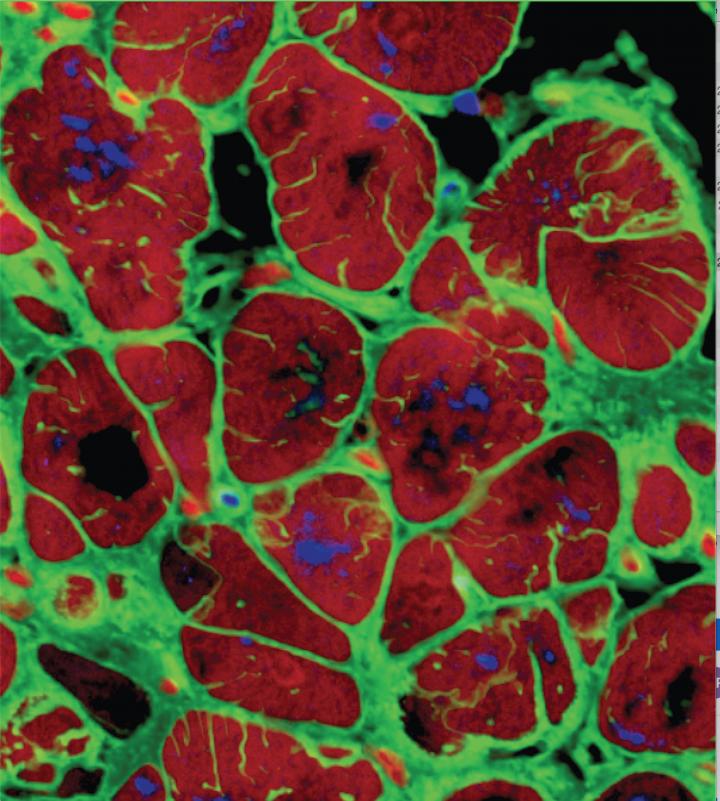
The agreement between Cartherics, The University of Sydney and The University of Queensland will further stem cell-derived heart muscle therapy for heart failure.
In this article, senior leaders at SFA Therapeutics emphasise the importance of re-establishing homeostasis in drug development approaches.

In this Q&A, Associate Professor Dr Mete Civelek shares insights from the University of Virginia’s exciting recent study identifying several potential therapeutic targets for accelerating translational research in cardiovascular disease treatment, with a focus on proteins associated with the extracellular matrix (ECM) secretion by smooth muscle cells (SMCs).
Researchers have gained a deeper understanding of the neural biology of obesity, which could offer potential drug targets.
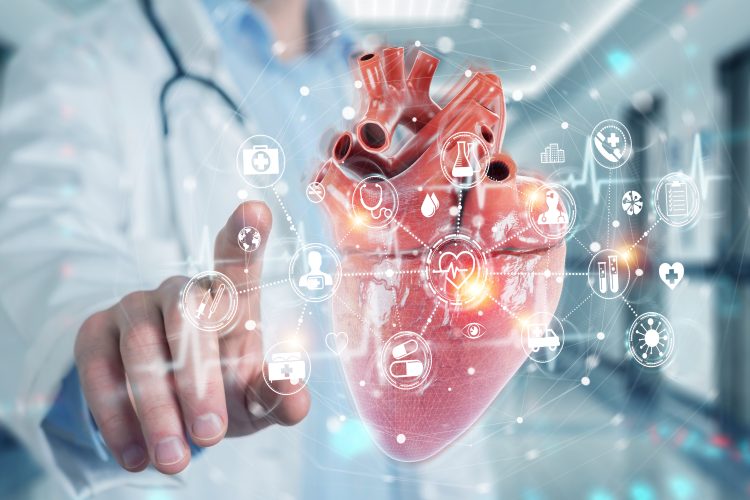
The first multi-chamber cardioids derived from hiPSCs have enabled scientists to investigate heart development and defects.

The University of California underwent a mouse study disclosing underlying sex differences in mice for obesity.

Fresh insights from University of Edinburgh into a protein that causes damage in kidneys and hearts could open up new treatment options for chronic kidney disease.
