




article
Mapping the genome in 3D to reveal new drug targets
Find out how a three-dimensional view of the genome is giving scientists a clearer picture of disease biology and revealing new opportunities for targeted therapies.
List view / Grid view
Find out how a three-dimensional view of the genome is giving scientists a clearer picture of disease biology and revealing new opportunities for targeted therapies.


Scientists have discovered a rare type of brain cell that appears to drive the chronic inflammation seen in progressive multiple sclerosis – which could potentially lead to new disease-modifying therapies.
Measuring disease progression remains one of the biggest hurdles in CNS drug development. Eye movements, now trackable with just a laptop and webcam, are emerging as a sensitive and scalable biomarker that could transform how trials are designed and therapies reach patients.
Despite major advances in multiple sclerosis treatment, stopping disease progression has remained out of reach. Targeting the receptor GPR17 may harness the brain’s own repair system, offering the prospect of genuine remyelination and lasting benefit for patients.


From gene therapy to Long Covid, better assays are helping researchers move promising drug candidates from early studies into clinical trials. Dr Alexandre Lucas explains the technologies, challenges and innovations driving this progress.
In this first-in-human Alzheimer’s study, Wnt-activated autologous stem cells are delivered intracerebroventricularly (directly into the brain) to address neuronal loss, while also reducing amyloid and tau biomarkers and improving cognition. Early data from this regenerative approach could help early drug discovery teams shape target selection, biomarker development and trial design.
Scientists have found a key mechanism driving immune regulation in autoimmune diseases like MS and IBD – which could lead to new targeted treatments.
The study identified which specific HERVs are important in increasing susceptibility for neurodegenerative diseases.
After successful completion of the CAR-Treg preclinical study, the first in-human trial of the candidate to treat MS and ALS will commence.


Researchers have created a new T cell atlas which could aid the development of novel drug therapies for immune-mediated diseases.

Human brain organoids are complex in vitro tools derived from stem cells, designed to model the molecular basis of neurodevelopment and the pathogenesis of neurological disorders. By mimicking the function of the human brain, in both health and disease, their application in drug discovery holds significant potential for identifying new…
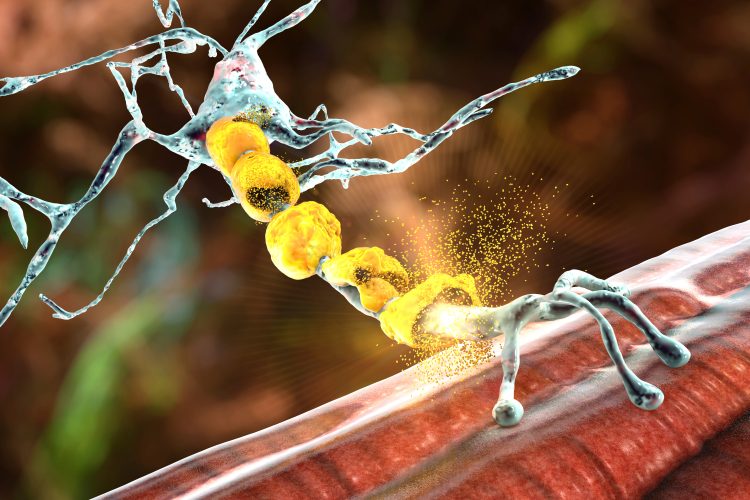
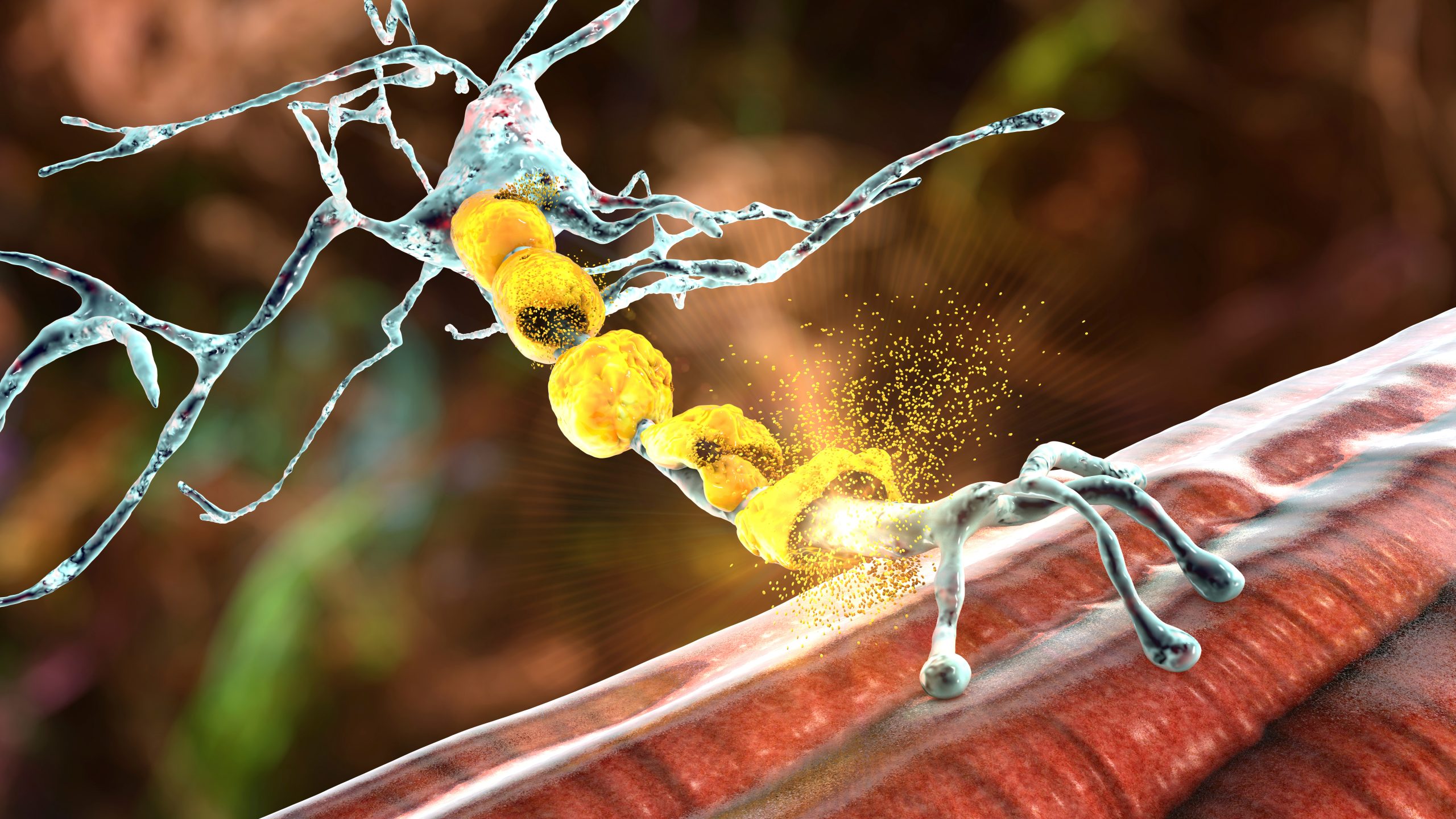
Researchers showed that ESI1, or similar compounds, may help to slow or even reverse cognitive losses that can occur during aging.
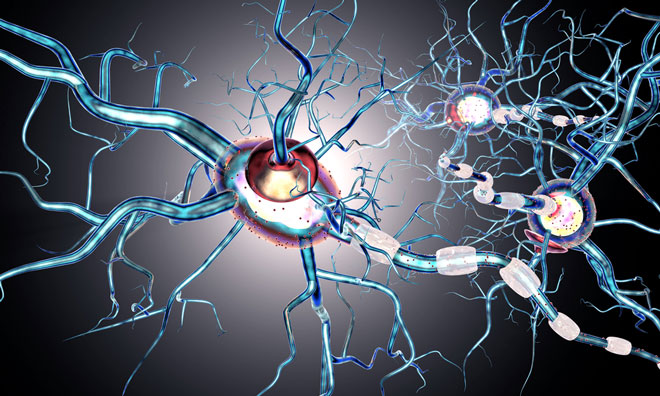
Using in situ sequencing, a collaborative research group analysed 260 genes and discovered new sub-structures in MS lesions.
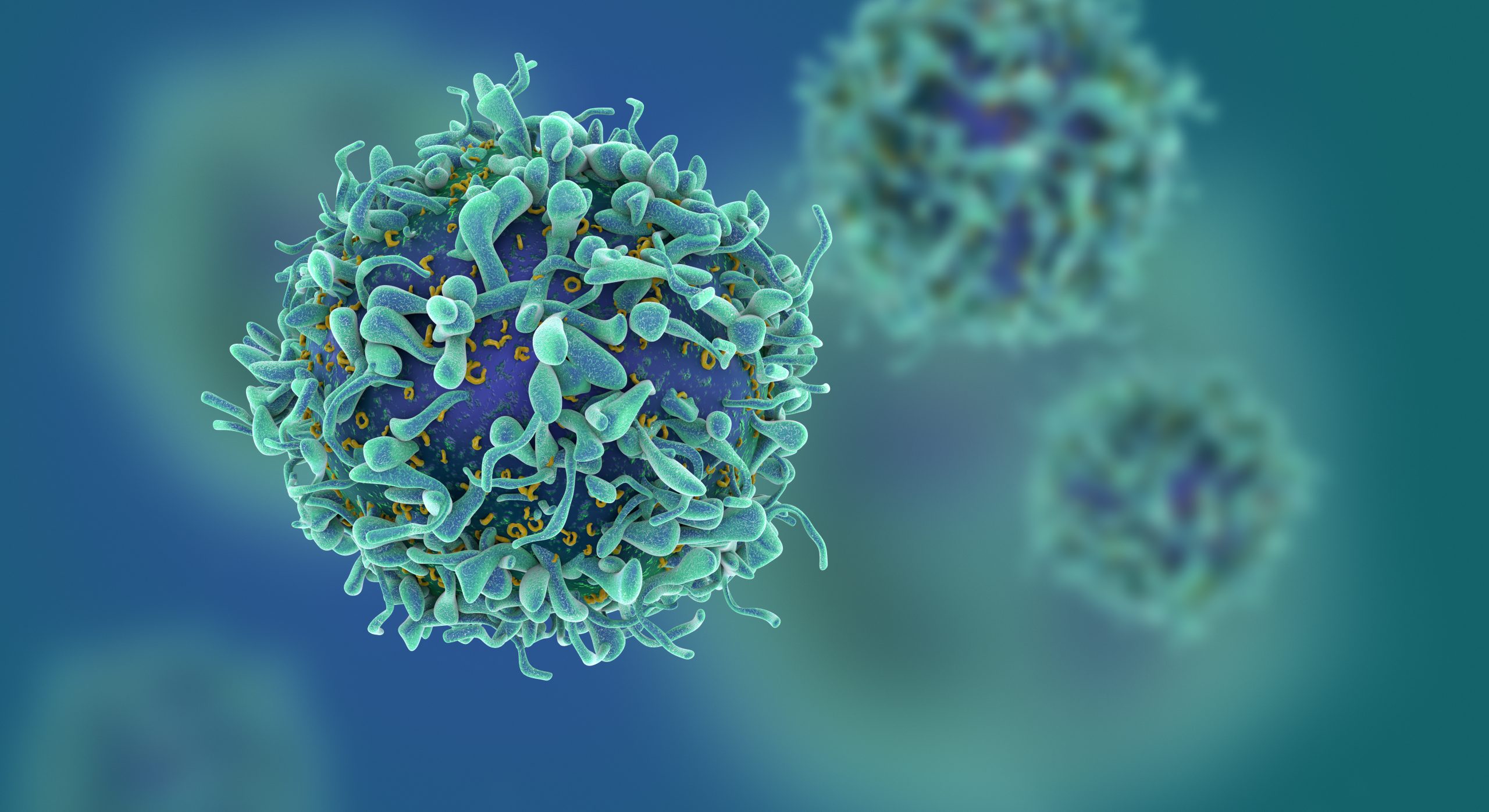
The new findings could lead to a therapeutic target for immune-related disorders, like multiple sclerosis.
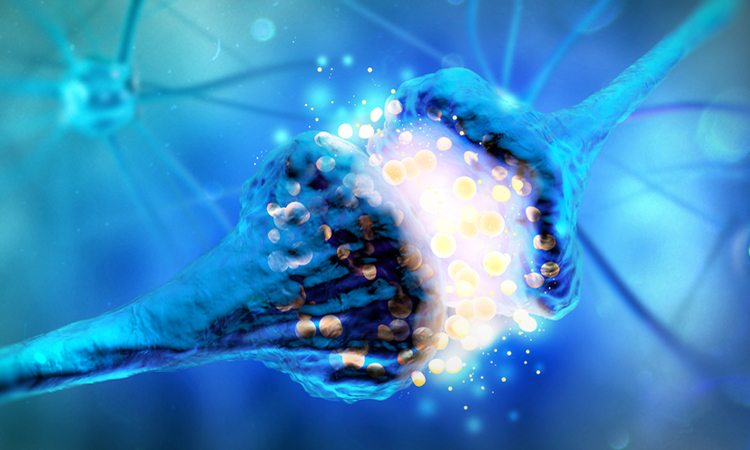
Oligodendrocyte precursor cells and the synapses they form with neurons could be relevant to many disease conditions, including cancer.
