




news
Insilico and Qilu partner to create generative AI cardiometabolic drugs
Insilico Medicine and Qilu Pharmaceutical Group are expanding their existing R&D collaboration to apply generative AI to cardiometabolic drug discovery.
List view / Grid view
Insilico Medicine and Qilu Pharmaceutical Group are expanding their existing R&D collaboration to apply generative AI to cardiometabolic drug discovery.
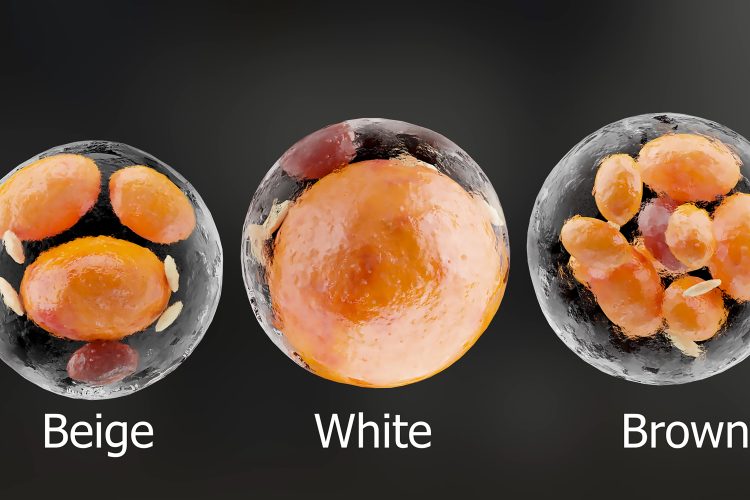

New research shows beige fat around blood vessels helps regulate blood pressure, offering potential pathways for future therapies to reduce cardiovascular risk.


Northwestern University scientists have discovered a hidden ‘control switch’ in the TRPM5 protein, which helps regulate taste, blood sugar and gut health and could lead to new therapies for targeting diabetes and obesity.


Progress in preclinical models and biomarker science is improving early-stage obesity drug development. This article outlines the emerging targets and technologies behind this shift.
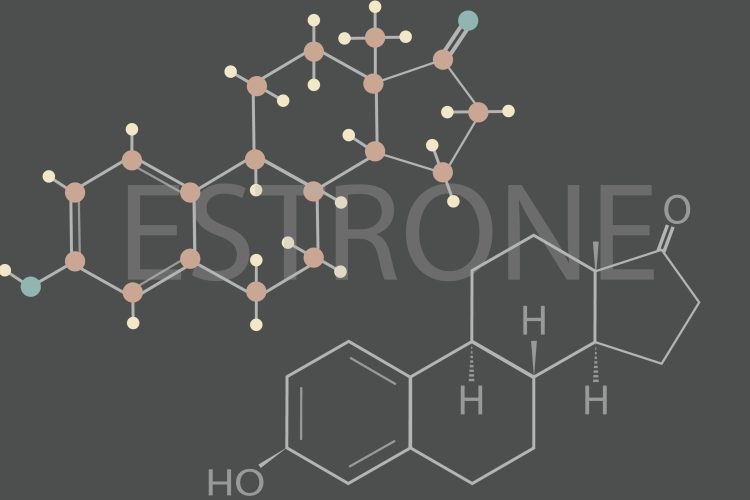

A new analysis has identified the hormone estrone as a major driver of aggressive breast cancer in post-menopausal women with obesity, meaning that weight-loss drugs could help improve treatment outcomes.


Insilico Medicine has announced ISM3830, an AI-designed CBLB inhibitor that has demonstrated promising preclinical results.
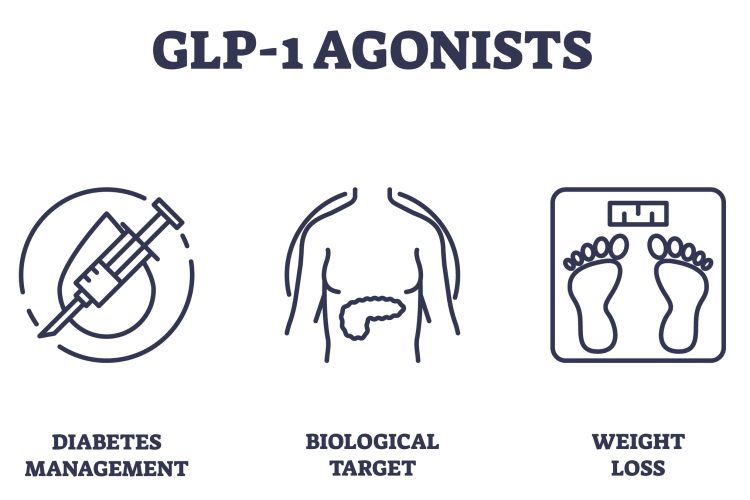
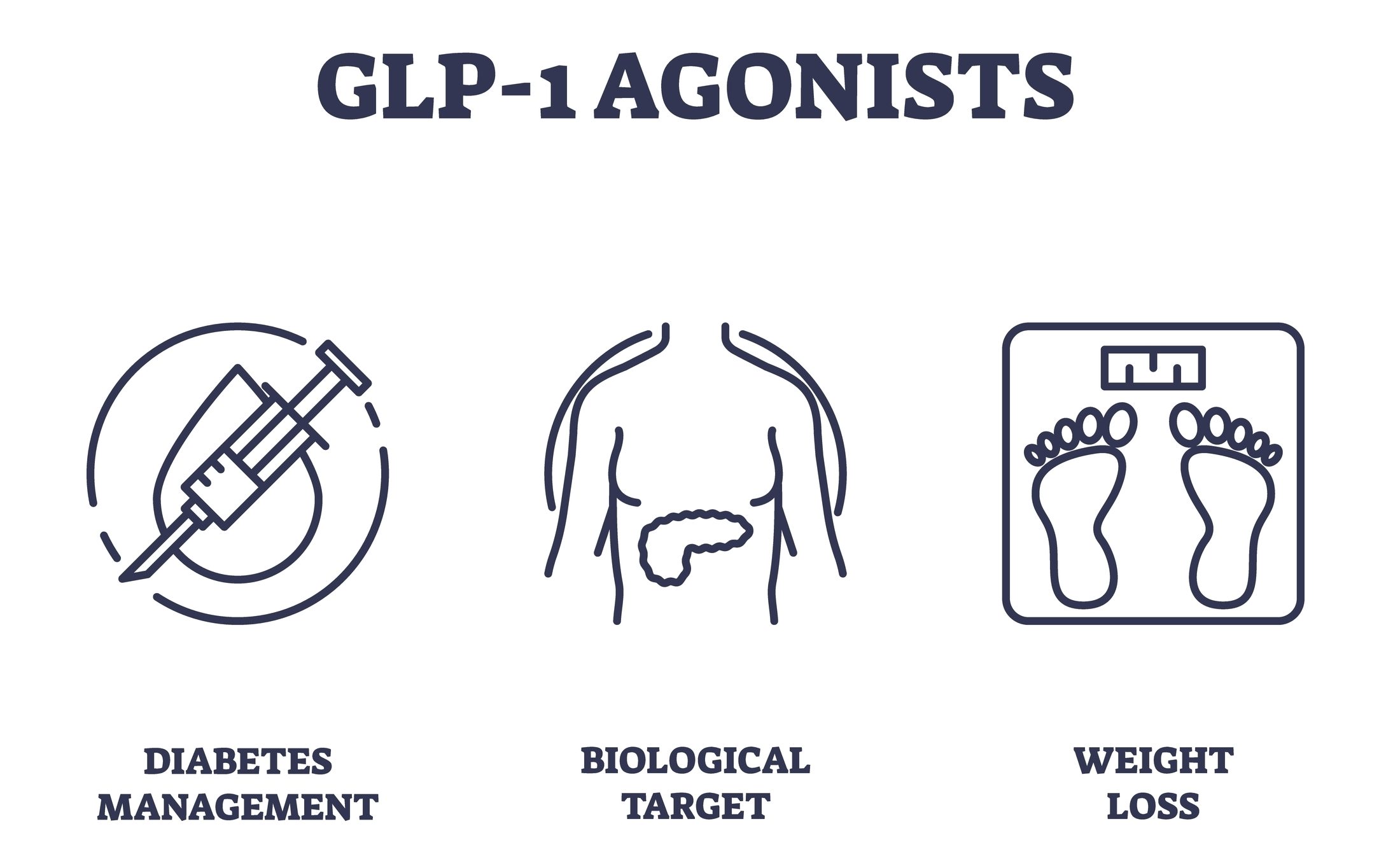
A new study has found that GLP-1 weight loss drugs do not increase the risk of pancreatitis or heart problems in patients with high triglycerides – and may even help protect against the condition.


Current obesity drug development remains overly focused on short-term weight reduction, despite obesity being a chronic, multifactorial disease. Broader, mechanism-driven approaches are needed to ensure durable efficacy, safety and accessibility.


Researchers have discovered that removing a telomere-protecting protein, TRF1, makes mice leaner and metabolically healthier without shortening their telomeres, potentially leading to new methods for tackling obesity and age-related diseases.
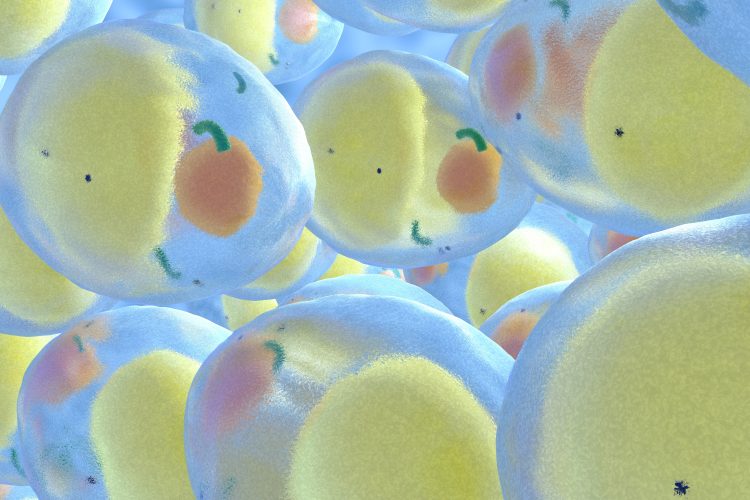
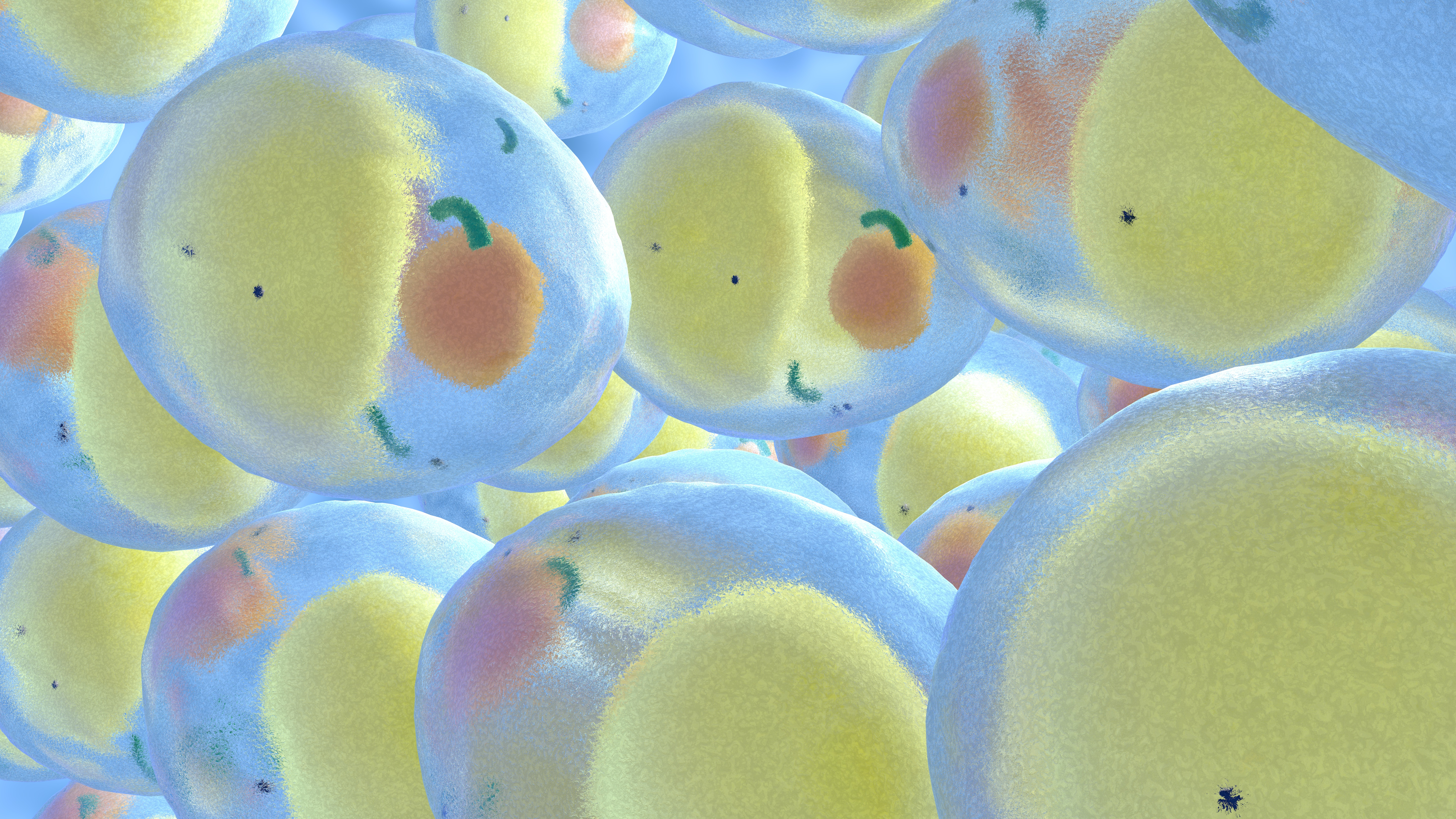
Scientists have developed a compound blend that reverses sugar-related cellular damage in mice, which could lead to future therapies to slow ageing and treat metabolic diseases.

Researchers have discovered an enzyme, PapB, that can ‘tie off’ therapeutic peptides into stable rings, which could help improve GLP-1 drugs for diabetes and obesity – making them more effective and longer lasting.


A first-in-class obesity drug, presented at the European Association for the Study of Diabetes meeting in Vienna, aims to reprogramme metabolism rather than suppress appetite – offering the potential for long-lasting weight loss without regain.

Scientists have developed fluorescent probes that reveal how dual agonist drugs like tirzepatide target cells in the pancreas and brain, offering new insights into diabetes and obesity treatments.
MitoRx Therapeutics has announced new preclinical data for its small molecule Myo4, showing restored insulin sensitivity and enhanced fat loss with muscle preservation in an obesity model - offering a potential alternative to GLP-1-based therapies.

A hormone produced in the gut, FGF19, has been shown to act directly on the brain to boost energy expenditure, burn fat and improve blood sugar control in obese mice - offering a potential route for developing new obesity therapies.
