



A study using kidney organoids has found that high blood sugar triggers inflammation and structural damage in kidney tissue independently of immune cells, pointing to inflammatory pathways as novel targets for treating diabetic kidney disease.

Scientists have identified inflammatory pathways that could play a key role in the kidney damage caused by diabetes, raising the possibility of new approaches to prevent or treat diabetic kidney disease (DKD).
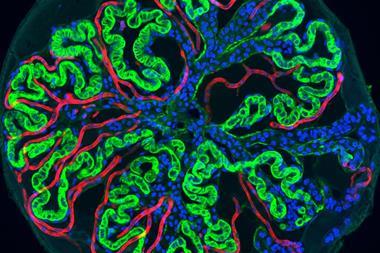
Researchers at the University of Washington used kidney organoids grown from stem cells to model the effects of high blood sugar. The team, led by Benjamin Freedman, found that exposure to high sugar levels triggered inflammation and disrupted the tissue-like structure of the organoids.
The findings could give scientists a new look into how diabetes damages the kidneys and aide in the development of potential treatments that target inflammation rather than blood sugar alone.
High sugar triggers inflammation
DKD is one of the most serious complications of diabetes and affects around 40 percent of people with the condition. Constant high blood sugar can slowly damage the kidneys, potentially leading to kidney failure and the need for dialysis or a transplant.
Current treatment focuses largely on controlling blood glucose and blood pressure alongside adaptations to lifestyle choices. However, relatively few therapies directly target the processes responsible for kidney damage.
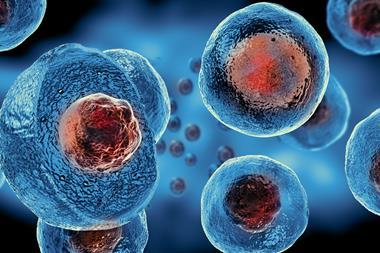
The new study used kidney organoids to investigate those processes. These miniature tissue models are generated from stem cells through a series of steps that reproduce aspects of normal kidney development.
When they are created, the organoids contain several types of kidney cells and display features of human kidney tissue. This makes them useful for investigating disease mechanisms in a controlled laboratory setting.
The researchers exposed the organoids to high sugar concentrations designed to mimic diabetic conditions. They found that the treatment triggered inflammatory responses and caused the organoids to lose aspects of their normal kidney tissue architecture.
Individual kidney cells began to detach from the surrounding tissue. Similar changes were identified in kidney biopsy samples and urine samples from people with DKD.
High sugar causes inflammation in these organoids even though they lack an immune system. This was unexpected and gives us a new way to think about how diabetes can affect kidneys and other organs.”
Dr Benjamin Freedman, Adjunct Associate Professor, University of Washington
Inflammation could be an early driver
One of the study’s significant findings was that the inflammatory response did not appear to require immune cells. The organoids lack a conventional immune system, yet high sugar was still sufficient to activate inflammatory pathways.
This suggests that kidney cells themselves may respond directly to the metabolic conditions associated with diabetes by initiating inflammatory processes that contribute to tissue damage.
The researchers then tested drugs designed to reduce excessive activity in different inflammatory pathways. The treatments protected the kidney organoids from structural damage even when the organoids continued to be exposed to high sugar.
The results suggest that inflammation could be an important early driver of kidney injury in DKD. Targeting specific inflammatory pathways could therefore offer another strategy for protecting kidney tissue.

From organoids to potential treatments
The findings are still at the preclinical stage and further research will be needed to determine which inflammatory pathways are most important in human disease, and whether inhibiting them can protect kidney function without causing unacceptable side effects.
The researchers say their stem cell-derived organoid model could help accelerate this work by providing a human-relevant system for testing potential treatments.
The approach could also help researchers investigate how diabetes affects other organs. By showing that high sugar can trigger inflammatory responses in kidney tissue even in the absence of immune cells, the study adds to understanding of the direct effects of diabetes on human tissues.
For patients with DKD, the longer-term goal would be treatments that not only control the underlying diabetes but also prevent the inflammatory processes that drive progressive kidney damage.







No comments yet