


New test for rare immunodeficiency
Posted: 22 August 2017 | Dr Zara Kassam (Drug Target Review) | No comments yet
Researchers have developed a test to diagnose a rare and severe immune defect…
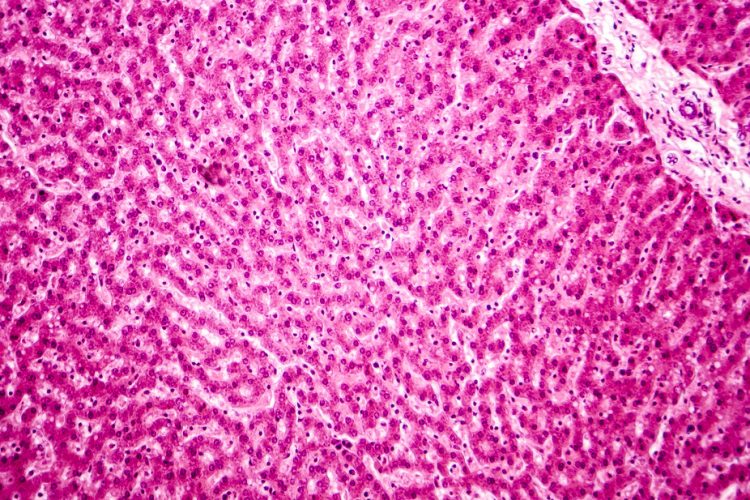
Researchers have developed a test to quickly and reliably diagnose a rare and severe immune defect, hepatic veno-occlusive disease with immunodeficiency.
“We expect that this test will soon be used in laboratories to diagnose a Sp110 deficiency,” said Professor Mike Recher’s from the University of Basel’s Department of Biomedicine. “The test will also help us quickly discover more about the biological function of Sp110.”
The researchers were able to use the test to reliably determine patients with different mutations in the Sp110 gene in a matter of hours, the detection is based on flow cytometry.
One reason for the lack of progress in the treatment of this disease is that it had previously not been possible to detect the expression of the Sp110 protein in immune cells without significant effort. Prof Recher’s research has now published in the Journal of Clinical Immunology.
Automation now plays a central role in discovery. From self-driving laboratories to real-time bioprocessing
This report explores how data-driven systems improve reproducibility, speed decisions and make scale achievable across research and development.
Inside the report:
- Advance discovery through miniaturised, high-throughput and animal-free systems
- Integrate AI, robotics and analytics to speed decision-making
- Streamline cell therapy and bioprocess QC for scale and compliance
- And more!
This report unlocks perspectives that show how automation is changing the scale and quality of discovery. The result is faster insight, stronger data and better science – access your free copy today
Rare diseases are often only diagnosed very late, especially since in many cases, diagnostic tests are not available or are only available in a few laboratories. Hepatic Veno-occlusive disease with immunodeficiency is a clear example of this. It is an immunodeficiency caused by a mutation in the gene Sp110, and children suffering from it often die of severe infections or liver failure during the first year of life.
Related topics
Flow Cytometry, Genomics, Immunology, Therapeutics
Related conditions
Hepatic veno-occlusive disease, Immunodeficiency
Related organisations
University of Basel
Related people
Professor Mike Recher