
From fragments to maps: scaling drug–target interaction data
Most drug–target data were never designed to be compared at scale. Pharmome mapping takes a different approach, building a shared dataset intended to support more predictable discovery.
List view / Grid view
Most drug–target data were never designed to be compared at scale. Pharmome mapping takes a different approach, building a shared dataset intended to support more predictable discovery.
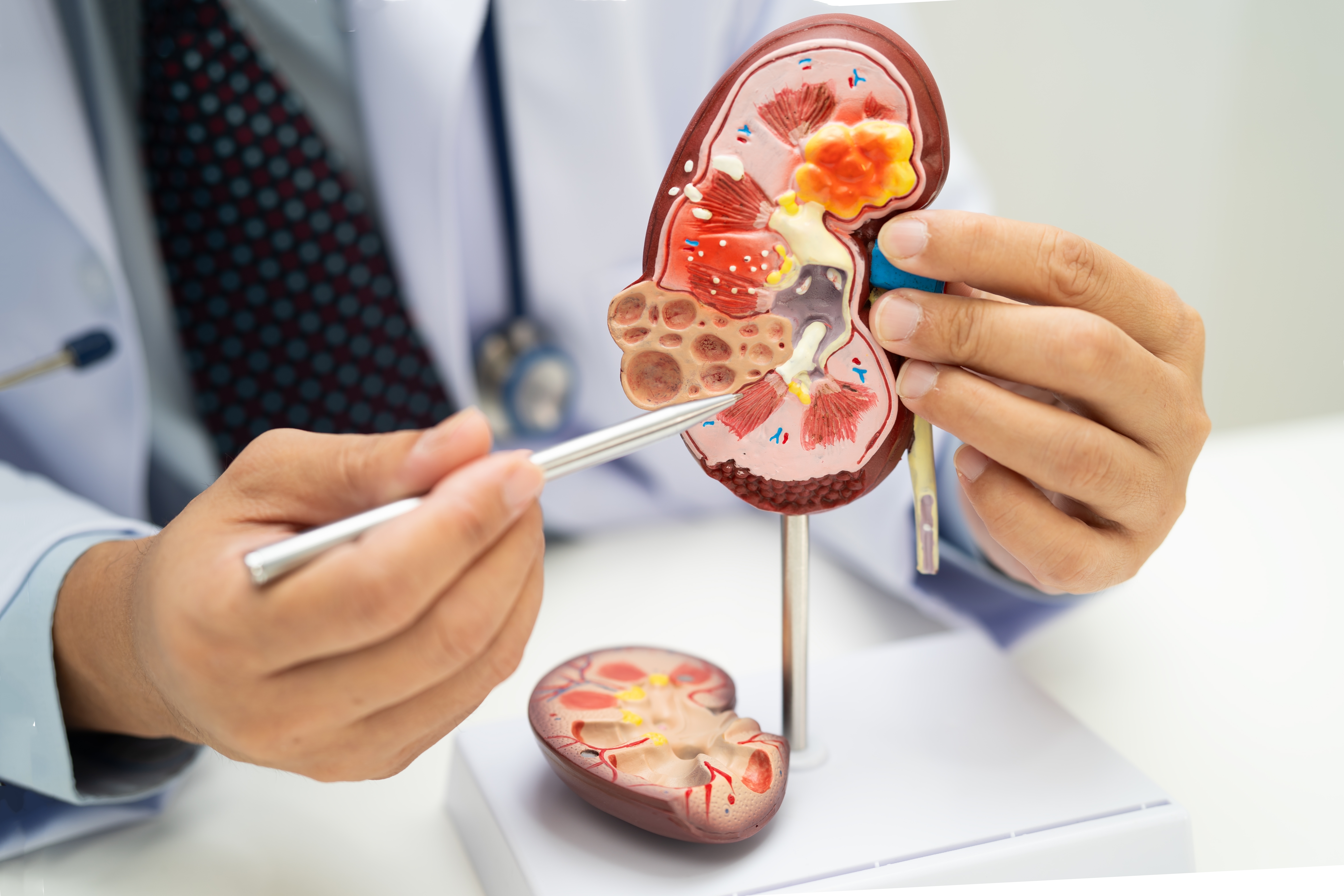
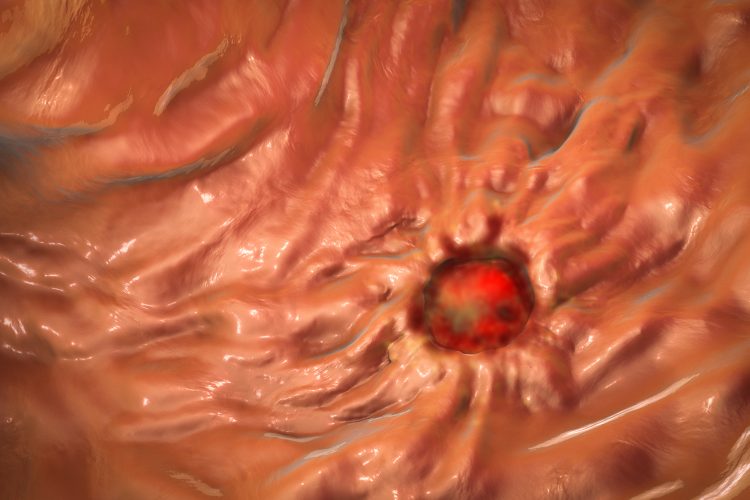
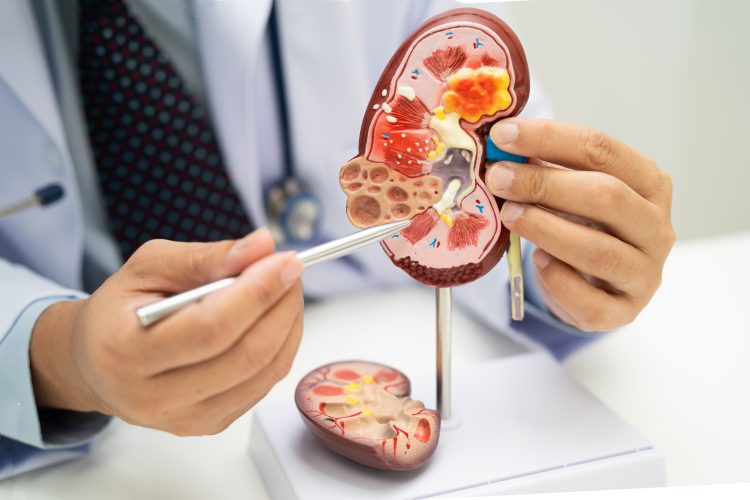
Scientists have discovered how an imbalance in gut bacteria can accelerate chronic kidney disease, with early findings pointing to a potential drug that could interrupt the damaging cycle and improve outcomes.
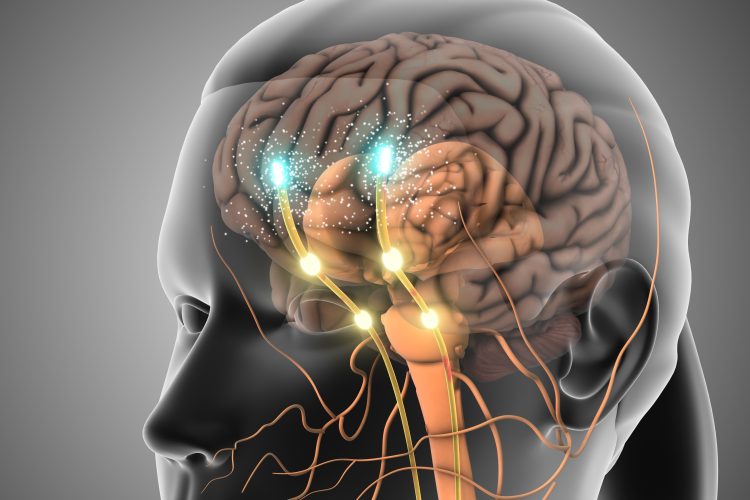
A key player in brain communication and mood regulation, the pharmaceutical industry views the NMDAR as the central pillar for next-generation therapies for depression. Dirk Beher from FundaMental Pharma reveals new strategies for targeting this important receptor.
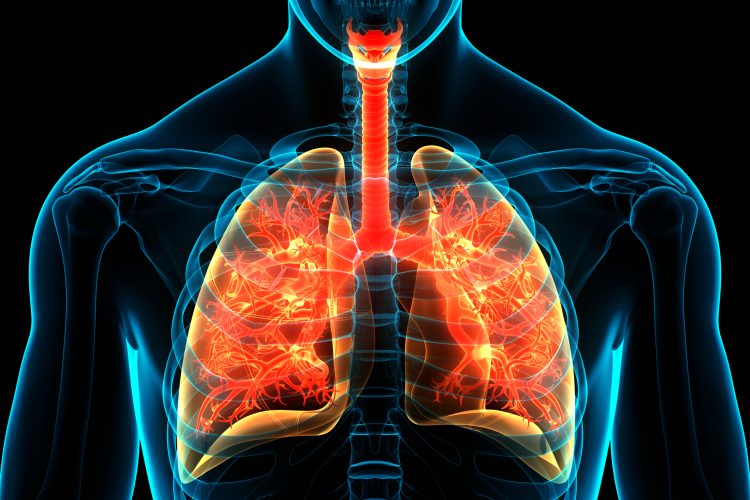
Could targeting a single enzyme play a role in slowing lung fibrosis? Boehringer Ingelheim’s research into PDE4B is offering promising clues.
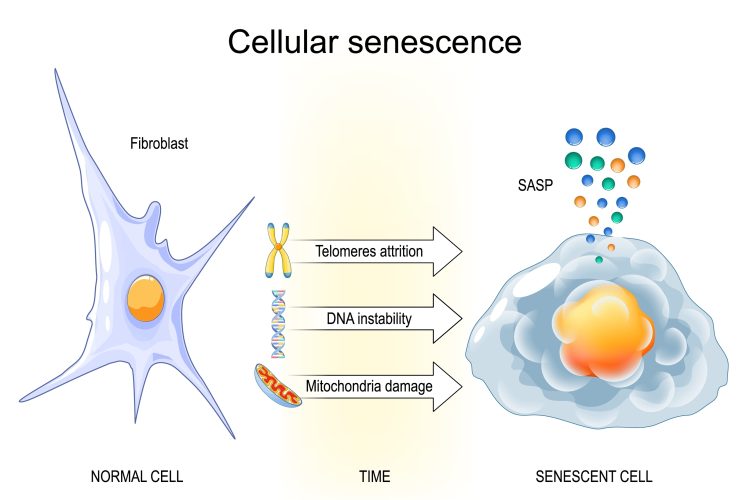
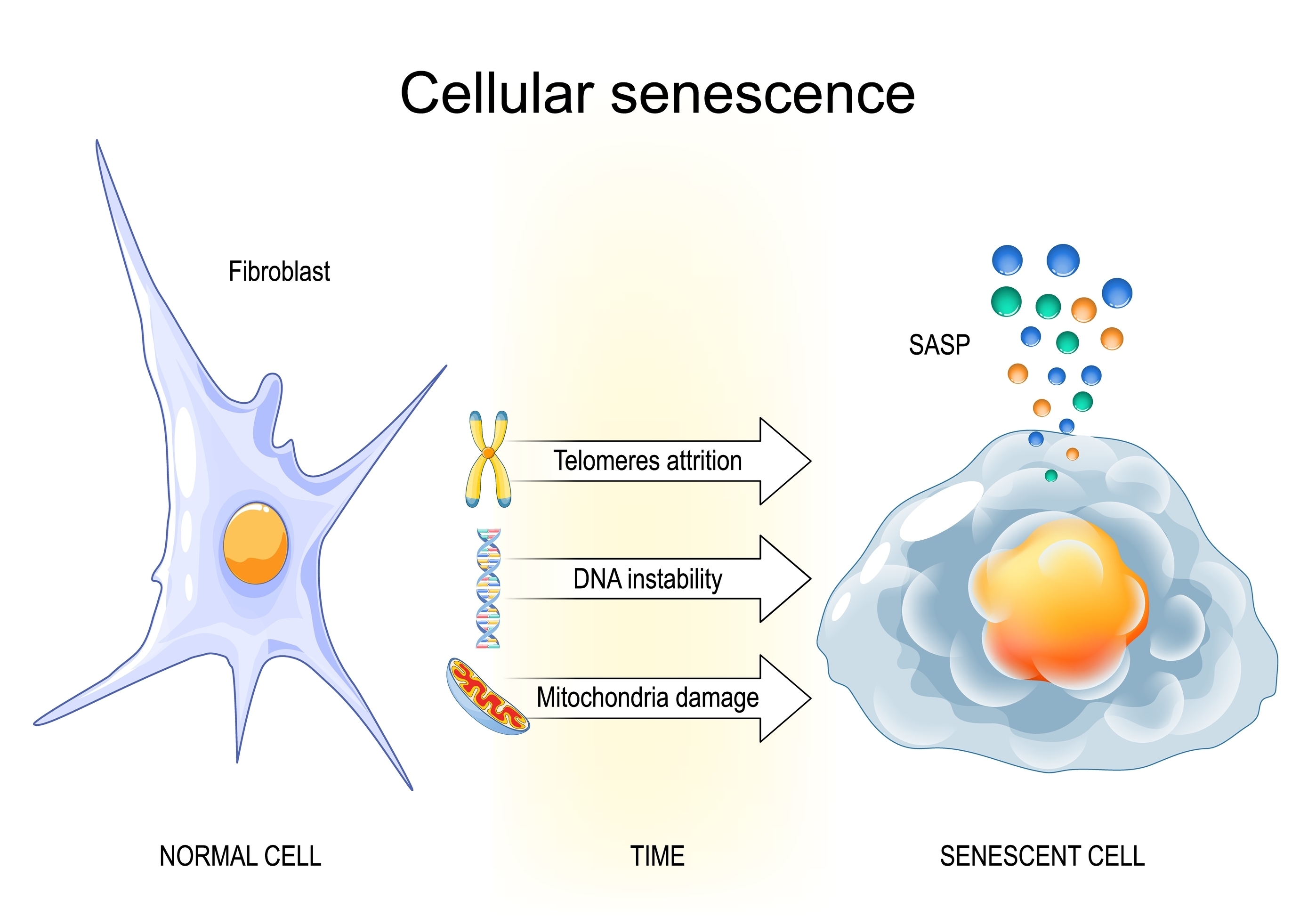
A study from the Institut Pasteur reveals how cellular senescence during mammary gland involution after pregnancy may both aid tissue repair and promote postpartum breast cancer.
A University of Houston scientist has joined a $3.2 million research collaboration to develop a new drug targeting one of the key drivers of triple-negative breast cancer.
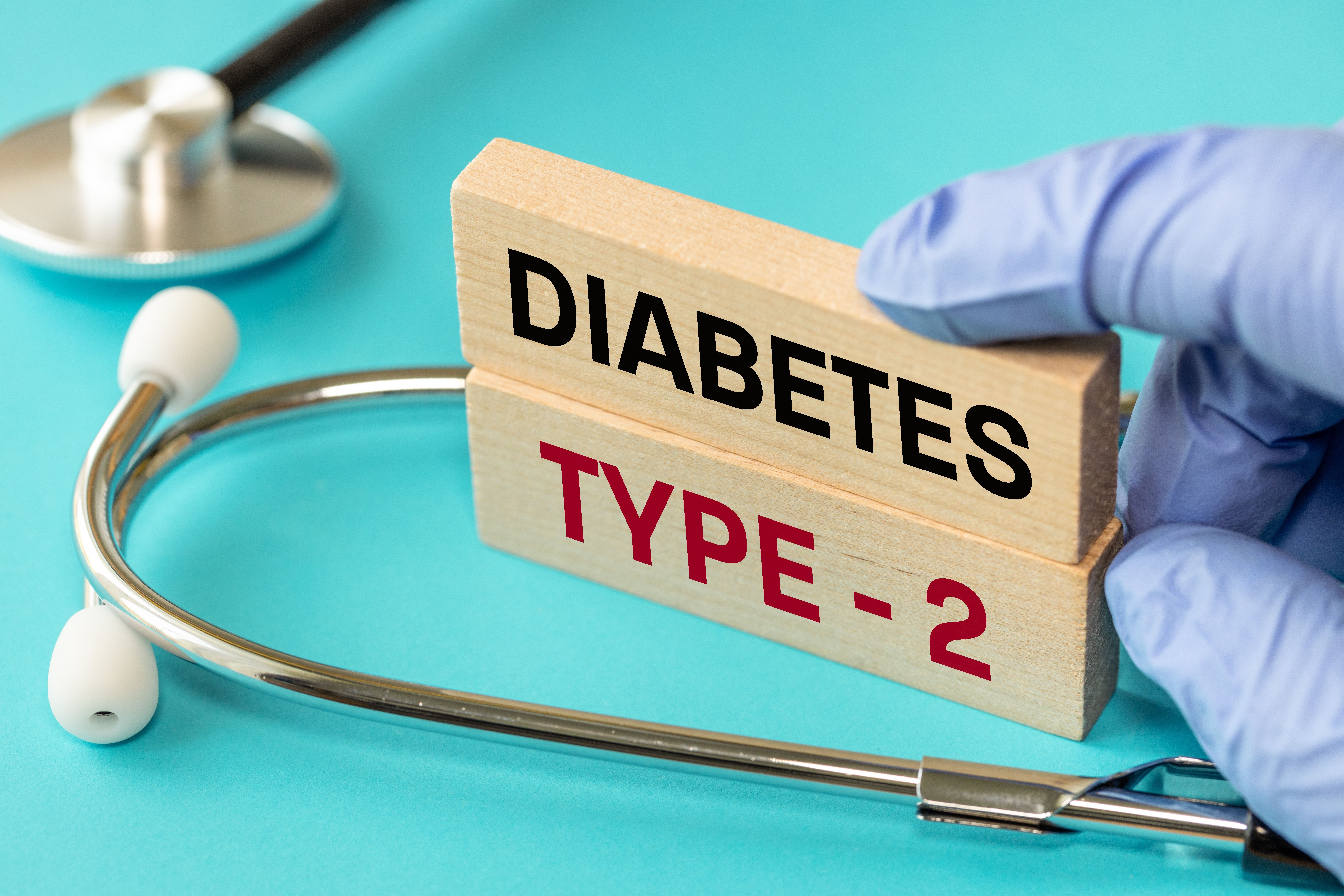
Researchers at the University of Pittsburgh School of Medicine have developed a new approach for tackling insulin resistance and type 2 diabetes by protecting beneficial immune cells in fat tissue.
A herb called Launaea nudicaulis could be used to treat peptic ulcers, with early research suggesting both gastroprotective benefits and potential applications in natural product drug discovery.

New research shows chronic alcohol use rewires gene activity in human brain regions that control reward and decision-making, which could inform the development of more effective addiction treatments.
Addex Therapeutics has published new research showing that targeting the mGlu7 receptor with a negative allosteric modulator can disrupt fear memory reconsolidation, offering a potential new approach to treating anxiety and PTSD.
New preclinical research shows that psilocybin’s behavioural and inflammatory effects vary with metabolic state and exercise, highlighting key biological variables that could inform drug discovery, target selection and patient stratification in psychedelic therapeutics.
Radiopharmaceuticals are emerging as a development platform rather than a single modality in oncology. This article explores what that means for cancer drug development and how integrated strategies can reduce risk and accelerate progress to the clinic.
Researchers have identified new drug candidates that selectively target the cPLA2 enzyme, a key driver of brain inflammation linked to Alzheimer’s disease, offering a potential new approach to reducing risk in people with the APOE4 gene.
Researchers have discovered how seemingly supportive brain cells help glioblastoma thrive, whilst identifying an existing HIV drug, Maraviroc, that could be repurposed to slow tumour growth.
Researchers have shown that changing the molecular structure of NK1 receptor antagonists may restore antidepressant effects after decades of failed trials.