



All In Vitro Testing articles
-
 News
NewsMLY2 and MLY8 compounds show promise as ulcerative colitis treatment candidates
Two experimental compounds derived from a phase II metabolite have demonstrated improved anti-inflammatory activity in preclinical models of ulcerative colitis.
-
 Article
Reproducible organoids start with reliable cytokines
The right signals can make or break an organoid model. From growth and differentiation to downstream drug testing, cytokines and growth factors are critical to creating cultures researchers can rely on.
-
 News
Newsbit.bio launches refined human astrocyte model for neurotoxicity assessment
Cambridge biotech bit.bio has released ioAstrocytes 2.0, a genetically matched human astrocyte model designed to support functional neuroscience research and earlier assessment of seizure liability and neurotoxicity in drug development.
-
 News
NewsExisting drug could target neuroinflammation across multiple brain disorders
Researchers at the University of Birmingham have identified the P2X7 receptor as a key driver of neuroinflammation in human brain tissue, raising the prospect of repurposing existing therapies to treat various brain conditions.
-
 News
NewsThree-signal method converts blood B cells into germinal centre-like cells
Researchers at the University of Osaka have developed a streamlined laboratory method that uses just three sequentially delivered signals to convert naive B cells from human blood into cells closely resembling germinal centre B cells.
-
 News
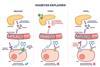
NewsMenin inhibitor KO-7246 shows β-cell regeneration in preclinical diabetes models
New preclinical data suggests that menin inhibitor KO-7246 can regenerate functional pancreatic β-cells and sustain improvements in blood glucose control across both Type 1 and Type 2 diabetes models.
-
 News
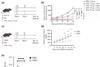
NewsVaccine adjuvant AS01 shown to induce trained immunity in monocytes
A preclinical study published in Myeloid Cells reports that AS01, a vaccine adjuvant system, can induce trained immunity in human monocytes and reduce tumour growth in selected mouse cancer models.
-
 News
NewsKidney organoids reveal inflammation drives diabetic kidney disease
University of Washington researchers have used stem cell-derived kidney organoids to uncover inflammatory pathways that drive diabetic kidney disease.
-
 News
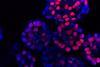
NewsLiver cancer organoids used to screen 1,600 potential treatments
Researchers at the University of Basel have screened more than 1,600 compounds using a biobank of 35 hepatocellular carcinoma organoids, identifying drug combinations that show selective anti-tumour activity across biologically diverse liver cancers.
-
 Webinar
VLPs as serological tools for diagnostics and vaccine development
What makes VLPs so useful in diagnostics and vaccine development? Explore their manufacture, serological applications and use in capturing neutralising antibodies.
-
 Article
Fast-tracking AI-designed binders with cell-free expression and SPR
AI can rapidly generate new protein binders, but wet-lab validation remains a major bottleneck. Combining cell-free protein synthesis with surface plasmon resonance (SPR) enables AI-designed antibody binders to be screened directly from crude extracts, bypassing lengthy cell culture and purification steps.
-
 Article
Six assay requirements every researcher using NAMs should know
As NAMs become more widely used in drug discovery, assays must meet the demands of more complex models. Discover six requirements for reliable, reproducible and biologically meaningful data.
-
 News
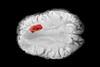
NewsPatient-specific brain tumour chip models vascular drug barriers
A microfluidic chip combining patient-derived glioblastoma cells with their tumour vascular environment could give drug developers a more realistic preclinical model for predicting treatment response – and may help explain why genetically similar patients respond differently to the same therapy.
-
 News
NewsMulti-target screening refines ADC development for cervical cancer
A large-scale transcriptomic study has pinpointed distinct cell-surface targets for antibody-drug conjugate development across cervical cancer subtypes, revealing how tissue-of-origin comparisons and subpopulation analysis can uncover targets missed by conventional screening approaches.
-
 News
NewsTissue chips target immunotherapy toxicity prediction without animal models
Researchers at the University of Rochester have developed human cell-based tissue chips designed to predict serious immunotherapy toxicities, including cytokine release syndrome, and have secured entry into the FDA’s ISTAND pilot programme.
-
 News
NewsTriple drug combination targets cancer and senescent cells simultaneously
A three-drug combination targeting shared metabolic vulnerabilities in cancer and senescent cells has improved physical performance and extended survival in aged mice, whilst avoiding the thrombocytopenia associated with existing navitoclax-based regimens.
-
 Webinar
Meeting ethical & regulatory requirements when using human biological specimens
Whether you source, purchase or work with human biospecimens, understanding today’s ethical and regulatory expectations is essential. Join this webinar to explore informed consent, privacy and the principles that support responsible research.
-
 News
NewsTumour organoids may expand access to targeted cancer drugs
Two studies from Weill Cornell Medicine demonstrate that patient-derived tumour organoids can accurately replicate cancers long-term and incorporate immune microenvironments, offering new potential for personalised treatment selection.
-
 News
NewsCrown Bioscience joins C-Path coalition advancing regulatory NAMs acceptance
Crown Bioscience has joined the Critical Path Institute’s New Approach Methodologies Developer Coalition, bringing patient-derived model expertise and biomarker capabilities to efforts aimed at establishing regulatory qualification frameworks for human-relevant research tools.
-
 News
NewsVitronectin protein identified as key driver of lung scarring
Researchers from UTS and Monash University have identified vitronectin as a key protein driving abnormal lung scarring in idiopathic pulmonary fibrosis, opening a potential new avenue for therapeutic intervention in a disease with very few treatment options.