



New preclinical research demonstrates that inhibiting PSD-95, a protein central to neuronal communication, can reduce seizure activity and rescue cognitive deficits in mouse models of MEF2C haploinsufficiency.
A protein involved in neural signalling could offer a potential therapeutic target for neurological disorders linked to the loss of the autism-associated gene MEF2C, according to researchers at the University of Illinois Urbana-Champaign.
The findings suggest that inhibiting PSD-95, a protein involved in communication between neurons, could help reduce seizures and restore certain cognitive abilities in people with MEF2C haploinsufficiency.
Deletions or mutations in MEF2C have been associated with several neurological and developmental conditions, including autism, epilepsy and Alzheimer’s disease. MEF2C haploinsufficiency occurs when an individual has only one functional copy of the gene instead of the usual two, and is characterised by intellectual disability, autism spectrum disorder and seizures.
Although MEF2C haploinsufficiency is a rare genetic disorder, the MEF2C protein is associated with many other diseases. Its dysregulation has been linked to many different types of autism. By understanding MEF2C, hopefully we can increase the knowledge of not just haploinsufficiency, but many other neurodevelopmental disorders associated with MEF2C.”
Nien-Pei Tsai, Professor of Molecular and Integrative Physiology, the University of Illinois Urbana-Champaign
What are MEF2C and PSD-95?
MEF2C is a gene that provides instructions for producing a protein involved in regulating gene expression in the brain. It plays an important role in neuronal development, maturation and function. Having only one functional copy of MEF2C can disrupt these processes, contributing to neurological and developmental symptoms.
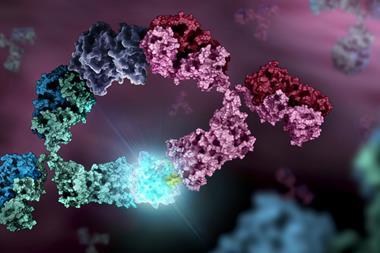
PSD-95 (postsynaptic density protein 95) is a scaffolding protein found at synapses, the junctions where neurons communicate. It helps organise receptors and other signalling proteins, including NMDA receptors, which regulate communication between neurons.
MEF2C indirectly helps control PSD-95 protein stability. When MEF2C levels are reduced, PSD-95 can accumulate, potentially disrupting neuronal signalling and contributing to seizures and cognitive impairments.
This study investigated whether reducing PSD-95 levels or blocking its interactions with neuronal receptors could help counteract these effects.
Investigating the role of PSD-95
Building on previous research linking MEF2C haploinsufficiency to PSD-95, the team investigated whether the protein could be targeted to address the neurological effects of MEF2C deletion.
MEF2C indirectly regulates PSD-95 stability, meaning reduced MEF2C activity could lead to an accumulation of the protein in the brain.
“MEF2C has an indirect link to regulate the stability of this PSD-95 protein,” Tsai explained. “We assumed that if a patient has less MEF2C, the level of PSD-95 will go up, because it’s not being degraded like it’s supposed to be. We wanted to verify that and to see what the effect would be if we could then decrease the PSD-95.”
To investigate this relationship, the researchers bred mice with only one copy of MEF2C. These animals developed severe seizures and cognitive impairments, including difficulties recognising unfamiliar objects and distinguishing new mice in social recognition tests.
The team also confirmed that PSD-95 levels were elevated in the brains of the affected mice.
Reducing PSD-95 improves neurological symptoms
The researchers then tested two approaches to reducing PSD-95 levels or activity.
First, they genetically modified the mice so they had only one copy of both MEF2C and the gene encoding PSD-95. Second, they administered a drug that prevents PSD-95 from interacting with its receptor in neurons.
Both approaches restored the mice’s ability to recognise novel objects and demonstrate social novelty recognition. Seizure activity also returned to levels comparable with healthy wild-type mice.
“Surprisingly, the novel object recognition and the social novelty recognition ability were restored by knocking down or inhibiting PSD-95,” said graduate student Meijin Pan, first author of the study. “The severe seizures were restored back to the normal range we see in wild-type mice, as well. That suggests to us that inhibiting PSD-95 could be a therapeutic target to reduce seizures and rescue some cognitive ability in those with MEF2C haploinsufficiency, or other conditions that decrease MEF2C.”
Investigating downstream signalling pathways
The findings add to previous research from Tsai’s group linking elevated PSD-95 levels with seizure activity during the early stages of a familial form of Alzheimer’s disease.
The researchers now plan to investigate the NMDA receptor, which interacts with PSD-95 and acts as a major calcium channel involved in neuronal signalling. Although the team suspects that NMDA receptor activity is elevated in the brains of mice with MEF2C haploinsufficiency, the downstream consequences require more investigation.
Further research will examine the effects of excess PSD-95 on neuronal signalling and investigate whether other components of this pathway could provide additional therapeutic target.
“We know that NMDA receptor probably is more active in MEF2C mouse brains, but we have no idea what that might do to the mice,” Tsai said. ”Hopefully down the road we will be able to identify new targets or probably new drugs that can specifically target this pathway.”
Key points
- Potential therapeutic target: PSD-95 has been identified as a potential target for neurological disorders associated with MEF2C haploinsufficiency.
- Elevated protein levels: Mice with reduced MEF2C levels showed increased PSD-95 in the brain, alongside severe seizures and cognitive impairments.
- Promising results: Genetically reducing PSD-95 or inhibiting its interactions with neuronal receptors restored recognition abilities and reduced seizure activity in mice.
- Next steps: Researchers will investigate NMDA receptor signalling to identify further therapeutic targets and potential drug candidates.








No comments yet