


The mother of invention: from steam engines to AI-designed drugs
Every great leap in history started with a single, urgent need. Now AI is emerging as the next great engine of invention, transforming the future of medicine faster than ever imagined.
List view / Grid view
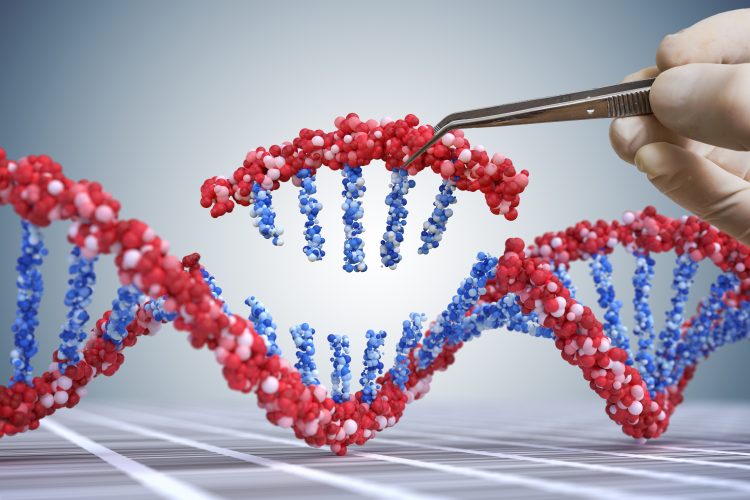
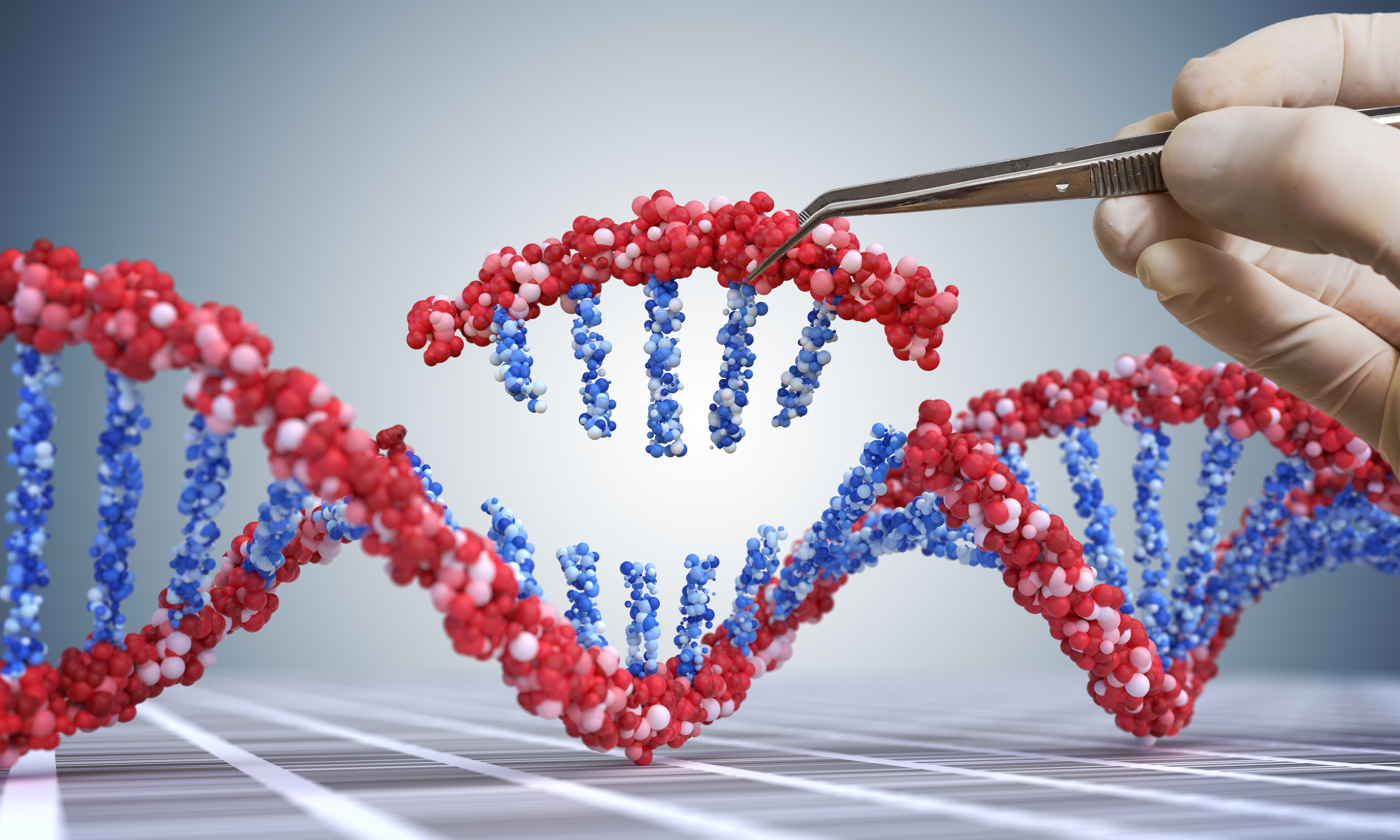
Gene Therapy is the introduction of normal genes into cells in place of missing or defective ones in order to correct genetic disorders.
Every great leap in history started with a single, urgent need. Now AI is emerging as the next great engine of invention, transforming the future of medicine faster than ever imagined.
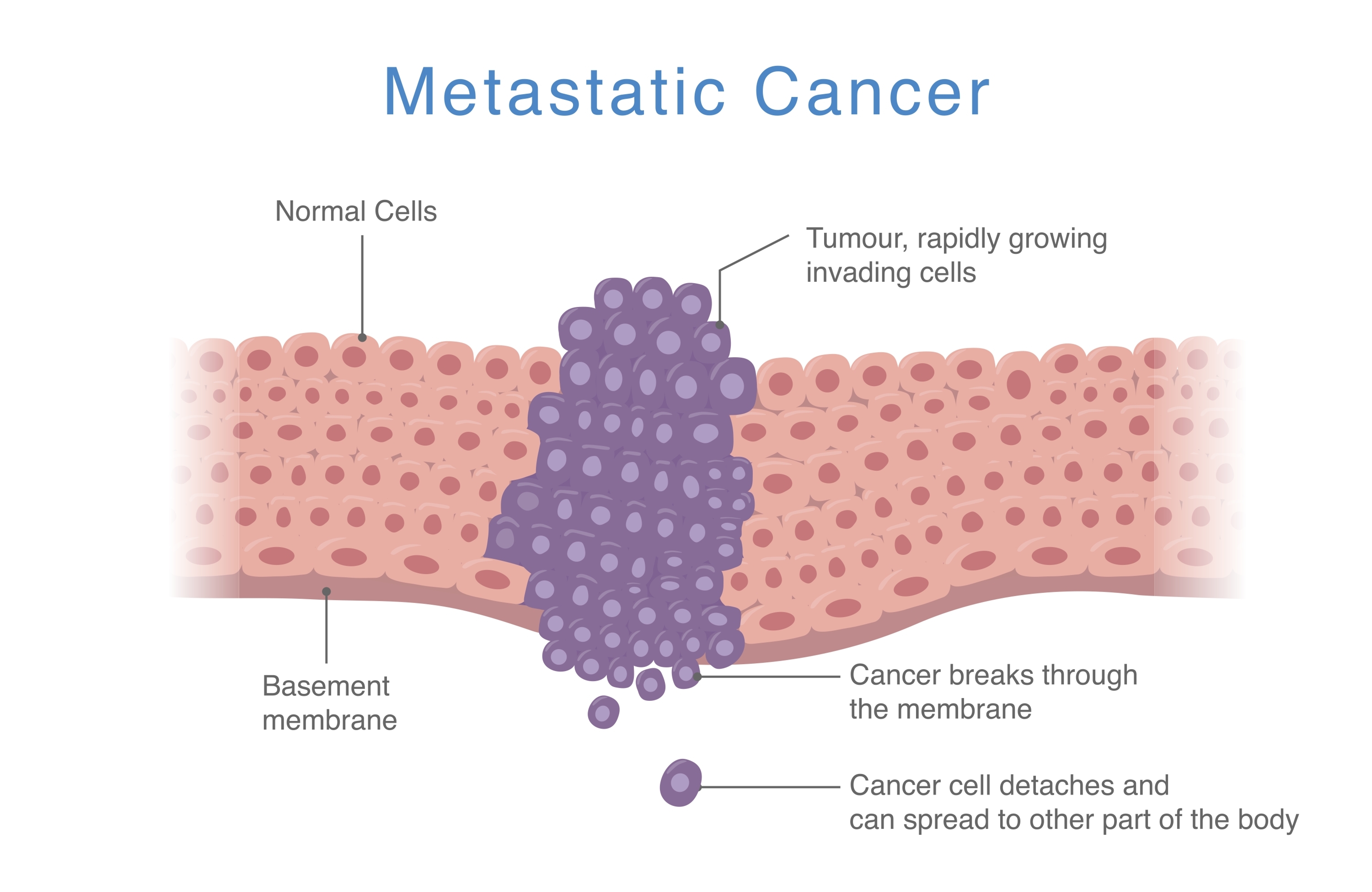
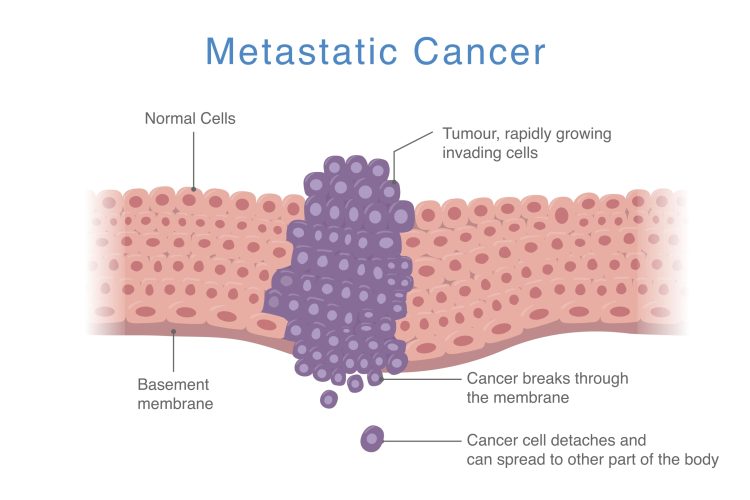
Researchers have developed a novel CRISPR method that evades the immune system in mice, allowing scientists to study tumour growth and metastasis more accurately.
Researchers have shown that using CRISPR to disable the NRF2 gene can restore chemotherapy sensitivity and slow tumour growth.
What if treating blindness did not mean fixing a single faulty gene? Find out how modifier gene therapy is designed to protect vision by targeting broader retinal pathways.
Pioneering circular RNA could redefine what the future of gene therapy looks like. Erik Digman Wiklund, CEO of Circio, shares how his company’s platform is enhancing gene expression and tackling toxicity challenges through smarter design and scientific collaboration.
Scientists have restored sperm production in mice with a genetic form of male infertility using mRNA delivered via lipid nanoparticles, with the hope of informing future treatments for non-obstructive azoospermia.
Scientists have linked rare mutations in SPNS1 to a previously unknown lipid recycling pathway in lysosomes, revealing how faulty fat processing can trigger muscle and liver disease.
13 October 2025 | By
A Synthetic DNA Approach for Speed, Scale & Flexibility
Scientists have developed a new gene therapy that reversed symptoms of SYNGAP1-related brain disorders in mice, which could lead to new treatments for this group of neurological conditions.
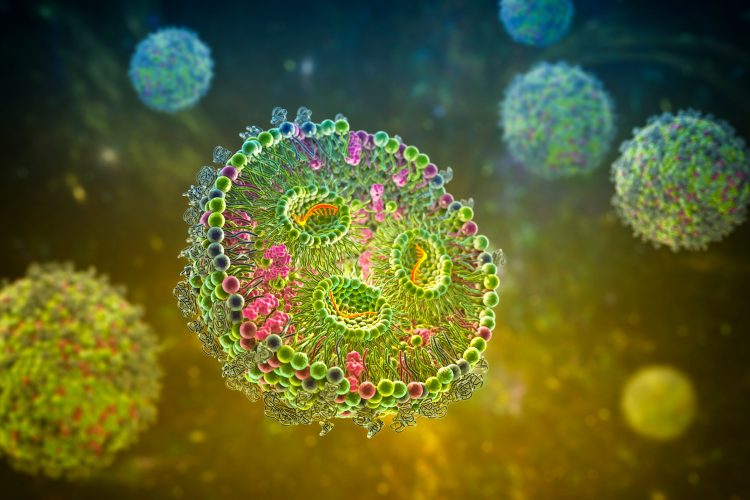
CRISPR therapies depend on delivery and lipid nanoparticles are emerging as a more flexible and scalable option than viral vectors.
From gene therapy to Long Covid, better assays are helping researchers move promising drug candidates from early studies into clinical trials. Dr Alexandre Lucas explains the technologies, challenges and innovations driving this progress.
Northwestern University researchers have created DNA-coated nanoparticles that deliver CRISPR into cells three times more effectively while reducing toxicity. The advance could overcome one of the biggest barriers to gene-editing therapies.
A small subset of newborn liver cells – known as clonogenic hepatocytes – drives over 90 percent of adult liver growth. New research shows how targeting these cells early could improve the effectiveness and durability of paediatric gene therapies.
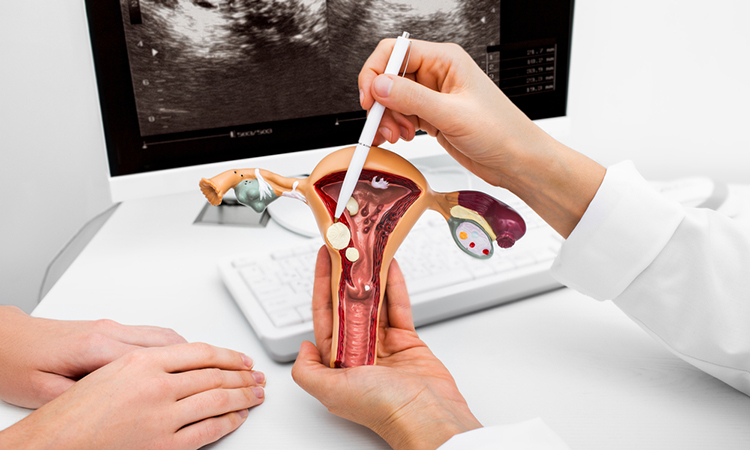
UCLA scientists have created the first detailed map of how the ovarian reserve forms in primates, offering new insights – and potential new treatments – for infertility, polycystic ovary syndrome (PCOS) and hormone-related conditions.
Most gene therapies rely on static DNA promoters to control gene activity, but nature uses far more sophisticated tools. Dr Matthew Dale explores how harnessing RNA-level control could enable treatments that sense and respond in real time, offering unprecedented precision and safety.