



podcasts
Overcoming obstacles in personalised medicine
Tune in to this episode to learn how overcoming the key challenges in personalised medicine could transform the future of healthcare.
List view / Grid view
Tune in to this episode to learn how overcoming the key challenges in personalised medicine could transform the future of healthcare.
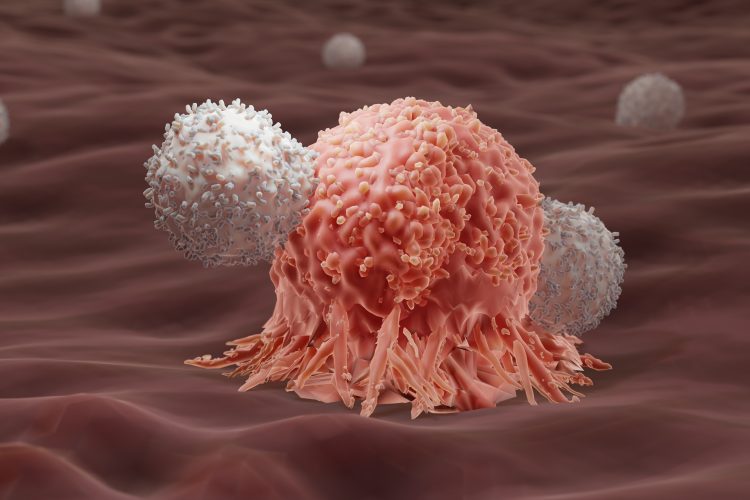
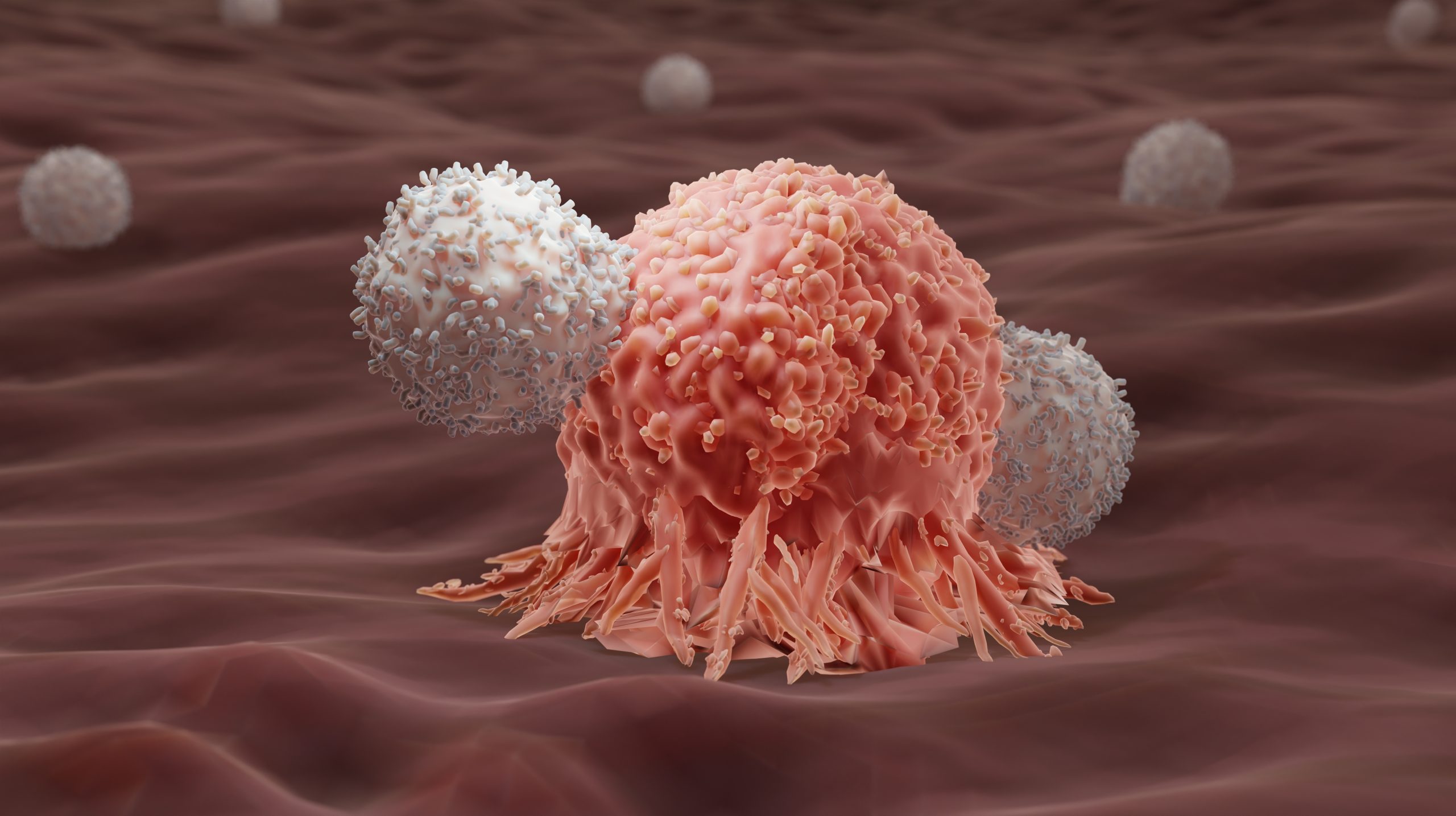
Obecabtagene autoleucel (obe-cel) has demonstrated strong efficacy in treating relapsed B-cell leukemia, with high response rates and minimal side effects.
Increased gene activity in the SYK pathway could be the basis of a blood test to identify melanoma patients most susceptible to severe side effects.
In this episode, we explore the current status and potential solutions to addressing major hurdles in oncology.
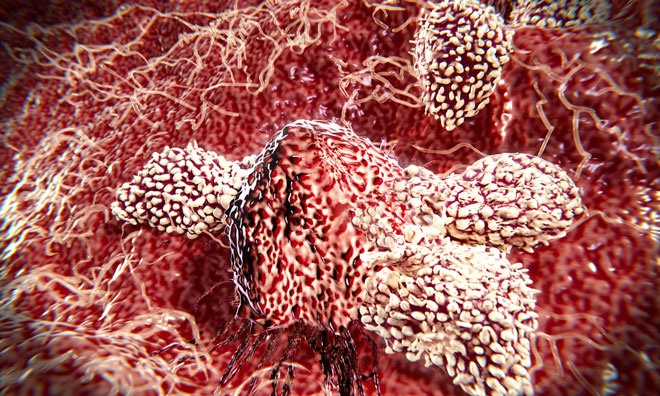
In this exclusive interview with Dr Christopher Haqq, Executive Vice President, Head of Research and Development, and Chief Medical Officer of Elicio Therapeutics, we explore the latest in Cancer Immunology Research. The study highlights the promising preclinical data demonstrating the potential of TCR-T cell therapy in combination with lymph node-targeted…
Read this in-depth analyses and insights from leading experts in the field focusing on treatments, new technologies and engineered bacteria.
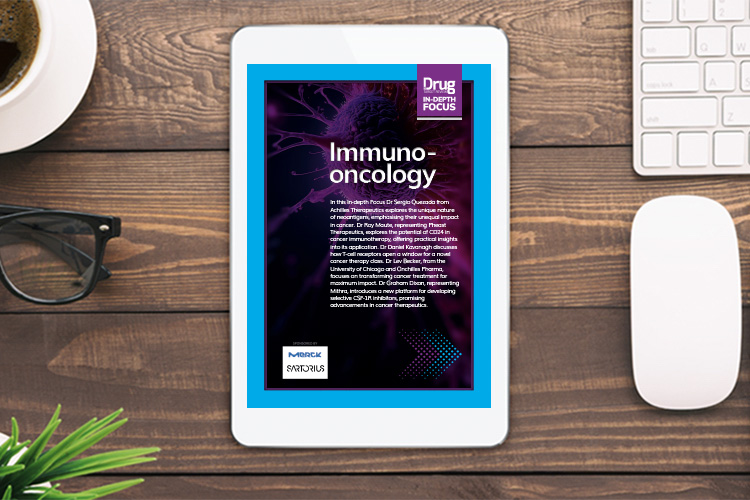
22 December 2023 | By
Download this eBook for FREE. Explore cutting-edge immuno-oncology insights through exclusive interviews and studies by leading experts in the field.
Tune into this podcast to hear experts discussing the tumour microenvironment in immuno-oncology!

Researchers from UPMC Children's Hospital of Pittsburgh and the University of Pittsburgh School of Medicine have made a discovery linking the notorious cancer-causing gene, Myc, to the process of ageing.
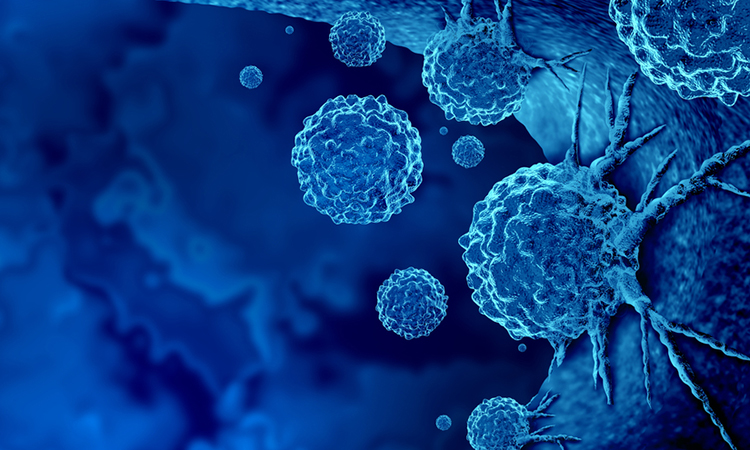
Important step achieved by US researchers as stable and potent immune therapy delivery system eradicates tumours in mouse models of melanoma, colon, and breast cancer, while preventing the formation of future tumour.
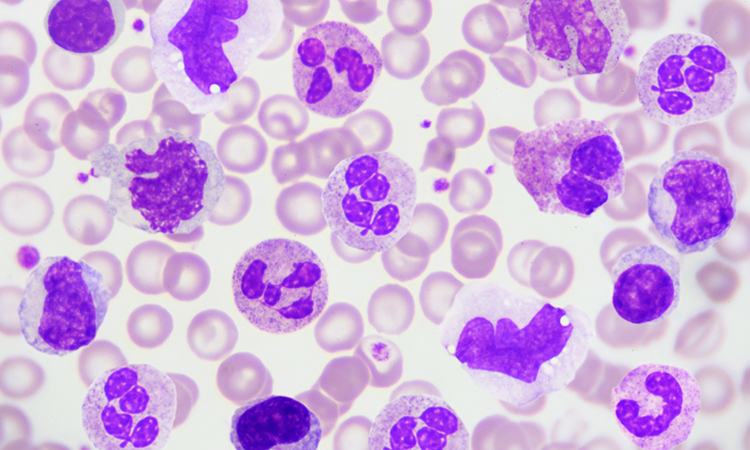
Australian researchers analyse the way specialised white blood cells produce an immune response, which could lead to the development of preventative treatments for cancer and infectious diseases.
Drug Target Review's Taylor Mixides exclusively interviews Brett Hall, Chief Scientific Officer at Immuneering, about his company’s aim to develop a universal-RAS therapy.
Dr Andy Souers highlights the unwavering commitment to finding an enhanced therapeutic approach that eliminates the need for chemotherapy in blood cancer treatment. This transformative discovery represents a significant leap forward in the way we combat this complex disease, offering new hope to countless patients worldwide.
In this article Dr Raymond Winquist, Oncology Fellow at Alkermes, covers the longstanding research challenges associated with cytokines: IL-12 and IL-18, and their untapped potential in immunotherapy and immuno-oncology.
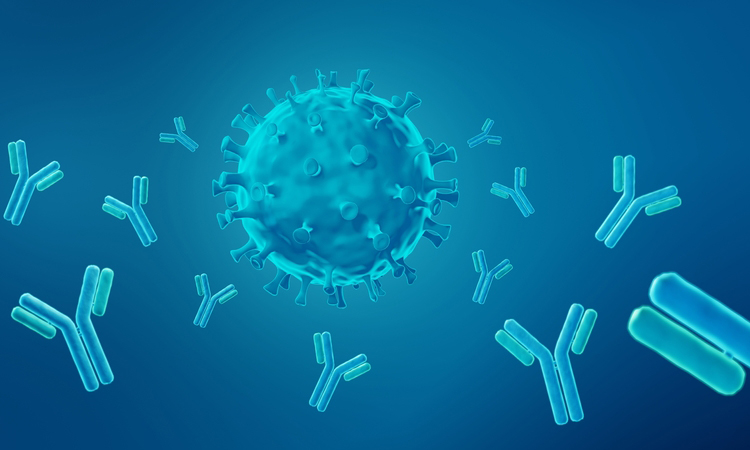
US researchers usings a ‘SNAP’ receptor system can customise immunotherapies for targeted treatments of cancer and other diseases.