


All Disease Research articles
-
 News
NewsPacBio and TychoBio partner to advance AI-driven RNA therapies
PacBio and AI drug discovery company TychoBio are generating full-length RNA datasets from more than 10,000 samples to train AI models and accelerate the development of RNA therapies for rare diseases.
-
 News
NewsTazbentetol shows retinal neuroprotection potential in diabetic mouse model
Experimental synaptic restoration compound tazbentetol has demonstrated neuroprotective effects in the retinas of diabetic mice, offering a potential new therapeutic avenue for diabetic retinal neuropathy ahead of detectable vascular damage.
-
 News
NewsNew P. vivax vulnerability could prevent liver-stage malaria infection
A newly identified epitope on the circumsporozoite protein of Plasmodium vivax could offer a route to vaccines that prevent liver-stage infection and curb the relapse-driven transmission cycle.
-
 News
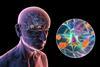
NewsMathematical model probes metals’ role in Alzheimer’s plaque formation
A mathematical framework simulates how metals such as copper and zinc interact with amyloid-beta, offering a new computational tool to explore plaque formation and potential therapeutic interventions in Alzheimer’s disease.
-
 News
NewsOestrogen receptor alpha identified as right ventricle protector in pulmonary hypertension
Scientists at National Jewish Health have identified oestrogen receptor alpha as a potential therapeutic target for preserving right ventricular function in pulmonary hypertension.
-
 News
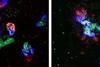
NewsKidney organoids reveal inflammation drives diabetic kidney disease
University of Washington researchers have used stem cell-derived kidney organoids to uncover inflammatory pathways that drive diabetic kidney disease.
-
 News
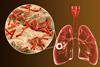
NewsBCG and immunotherapy combination cuts tuberculosis relapse risk
Combining the BCG vaccine with a B-cell-targeting immunotherapy significantly reduced tuberculosis relapse rates in preclinical models.
-
 News
NewsMicroproteins emerge as potential new Alzheimer’s targets
Scientists at the Salk Institute have constructed a comprehensive atlas of previously uncharacterised microproteins in the human frontal cortex, identifying over 1,000 novel candidates.
-
 News
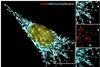
NewsSalk researchers uncover how interferons switch from anti- to pro-cancer
Researchers at the Salk Institute have identified a cellular pathway through which prolonged interferon exposure triggers mitochondrial dysfunction, PGE2 production and suppression of anti-tumour immunity – offering a potential strategy for overcoming immunotherapy resistance.
-
 Webinar
Cracking cell dynamics with single-cell proteomics and CRISPR
What can pooled CRISPR screening and protein‑level readouts reveal that transcriptomics alone can’t? Explore how single‑cell genomic perturbations, intracellular protein measurements and surface‑protein profiling expose signalling pathways and clarify antibody specificity.
-
 News
NewsUK’s first AI-robotic organoid lab opens in Liverpool
A £20 million high-security facility in Liverpool is set to accelerate drug and vaccine discovery by integrating artificial intelligence, robotics and human organoid technology within a Category 3 containment environment.
-
 News
NewsNew malaria mutations linked to resistance against multiple front-line drugs
Whole-genome sequencing of parasites from Ugandan patients has uncovered a cluster of genetic variants linked to reduced susceptibility to multiple front-line malaria treatments, with researchers warning the mutations are spreading rapidly.
-
 News
NewsGLP-1 drug semaglutide extends lifespan and slows ageing in older mice
A new NIH-funded study suggests the GLP-1 receptor agonist semaglutide may slow biological ageing and extend lifespan in older mice, raising the prospect that GLP-1 drugs could one day be developed as broad longevity-enhancing interventions.
-
 Article
Why depression needs a different drug discovery strategy
What if depression is not one disease, but many biologically distinct conditions? A major research programme is investigating what this could mean for biomarkers, drug targets and treatment.
-
 News
NewsPatient-derived tumour organoid biobank maps cancer gene dependencies
A biobank of 256 patient-derived tumour organoids, combined with genome-wide CRISPR–Cas9 screening, has produced a detailed map of cancer gene dependencies across five tumour types, revealing both shared vulnerabilities and mutation-specific targets with implications for precision oncology.
-
 News
NewsBRAF identified as novel target for neuropathic pain treatment
Researchers at MD Anderson Cancer Center have discovered that BRAF, a protein well known for its role in cancer, may also drive chronic pain following nerve injury – raising the prospect of repurposing approved cancer drugs as treatments for neuropathic pain.
-
 News
NewsStem cell-grown kidney organoids could help uncover new treatments for AKI
Researchers at Monash University have grown miniature human kidneys from stem cells that could give drug discovery teams a more human-relevant model for investigating acute kidney injury and identifying therapies that promote tissue recovery.
-
 Article
Targeting childhood myopia progression with 7-methylxanthine
Childhood myopia researcher Dr Klaus Trier explores how 7-methylxanthine targets scleral remodelling and axial elongation, and its potential to slow disease progression and reduce the risk of high myopia.
-
 News
NewsHuman heart organoids with functioning valves model cardiac valve disorders
Researchers have engineered human heart organoids complete with functioning valves, creating a physiologically relevant platform to study valve disorders including mitral valve prolapse and valve calcification, and potentially accelerating the search for new treatments.
-
 News
NewsMeis2 gene identified as potential therapeutic target for neurodevelopmental disorders
A gene therapy targeting parvalbumin inhibitory neurons has restored experience-dependent plasticity and reduced seizure frequency in a mouse model of neurodevelopmental disorders, offering a potential new avenue for treating autism spectrum disorder and epilepsy.