


All Drug Development articles
-
 News
MIT develops antidote strategy to unlock toxic antibiotic candidates
Researchers at MIT have developed a drug delivery approach that combines targeted treatment with a protective antidote, potentially allowing previously discarded toxic compounds to be safely used against bacterial infections.
-
 News
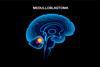
Corin prompts cancer cell maturation to tackle infant brain tumours
A drug that forces aggressive brain cancer cells to mature could offer new hope for infants diagnosed with one of childhood’s most devastating tumours.
-
 News
Light-activated nanoparticles deliver microRNA to shrink head and neck tumours
Penn State researchers have developed a light-activated nanoparticle system capable of delivering cancer-targeting microRNA directly to tumours.
-
 Article
AI to prioritise 16 cancer drug candidates targeting bacterial DnaK
Could targeting a bacterial protein help overcome chemotherapy resistance? Dr Rahul Gupta reveals how predictive AI could identify the most promising drug candidates before they reach the laboratory.
-
 News
siRNA therapy shows preclinical promise against rare metabolic disorder
A liver-targeted siRNA therapy developed at Duke University has demonstrated preclinical efficacy in mouse models of glutaric aciduria type I.
-
 Article
What a protein damage score can, and can’t, tell drug developers
Protein damage could provide a valuable readout for evaluating potential anti-ageing therapies, but reducing complex biological responses to a single score raises important questions about interpretation and validation.
-
 News
Cell reprogramming induces immune structures across seven cancer types
Asgard Therapeutics has shown that its in vivo cell reprogramming platform can reliably induce mature immunogenic tertiary lymphoid structures across seven tumour types.
-
 Article
What tissue accumulation can reveal about oligonucleotide safety
Oligonucleotides can remain in tissues long after disappearing from circulation, but does accumulation necessarily indicate toxicity? Dr Tina Rogers examines the evidence needed to interpret preclinical safety findings.
-
 News
Triptolide plant compound could improve response to epigenetic cancer drugs
Researchers at Johns Hopkins have identified a natural plant compound capable of blocking an enzyme that degrades DNA methyltransferase inhibitors, offering a potential strategy to overcome resistance to epigenetic cancer therapies.
-
 Article
Reproducible organoids start with reliable cytokines
The right signals can make or break an organoid model. From growth and differentiation to downstream drug testing, cytokines and growth factors are critical to creating cultures researchers can rely on.
-
 News
PacBio and TychoBio partner to advance AI-driven RNA therapies
PacBio and AI drug discovery company TychoBio are generating full-length RNA datasets from more than 10,000 samples to train AI models and accelerate the development of RNA therapies for rare diseases.
-
 News
VPS34 inhibition boosts GD2 visibility to enhance neuroblastoma immunotherapy
Penn State researchers have shown that inhibiting the protein VPS34 increases GD2 display on neuroblastoma cell surfaces, making tumours more visible to anti-GD2 antibodies and improving outcomes in preclinical combination studies.
-
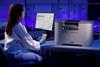 Article
Faster, scalable biologics stability testing without sacrificing data quality
Stability problems can derail promising biologics late in development. Bringing high-throughput testing earlier into discovery could help researchers identify risks before they become costly failures.
-
 News
AI consortium targets antibody developability prediction with 10,000-sequence dataset
A new industry consortium led by Ginkgo Datapoints and Apheris is assembling a 10,000-antibody dataset to train AI models that can flag developability problems earlier in the drug discovery pipeline.
-
 News
Experimental drug reverses paralysis and vision loss in MS mice
A novel inflammasome inhibitor derived from HIV antivirals has reversed established neurological deficits in a preclinical MS model, raising hopes for a restorative approach to a disease where current therapies focus primarily on relapse prevention.
-
 News
Big Picture Bio raises £2.2m to develop AI cancer combination therapies
UK-based cancer drug discovery company Big Picture Bio has closed £2.2 million in funding to advance AI-designed combination therapies into laboratory validation, using a generative world model to map complex tumour biology across disease sites and patient subgroups.
-
 Article
Turning CNS biomarkers into better drug development decisions
Why do promising CNS therapies struggle to translate into patients? Three experts explore how biomarkers can track therapeutic effects, improve patient selection and guide development decisions.
-
 News
BioLife patents effervescent oral peptide delivery platform targeting GLP-1 therapies
BioLife has been granted a US patent for its effervescent OralMatrix oral peptide delivery platform, with preclinical data showing measurable systemic semaglutide exposure and patent claims extending across six GLP-1 medicines.
-
 News
Whole-genome sequencing delivers actionable biomarkers in 73 percent of cancer patients
A large real-world study demonstrates that whole-genome sequencing can identify actionable biomarkers in nearly three-quarters of solid cancer patients.
-
 News
Experimental RNA drug reverses scleroderma signs in preclinical study
An experimental synthetic non-coding RNA drug has reversed signs of systemic sclerosis in patient-derived immune cells and mouse models, with researchers now preparing an IND application to the FDA.