
Featured content

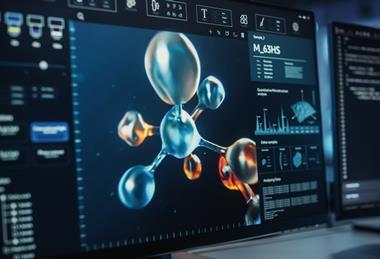
Scientists are already using AI agents. Most of what they learn goes unpublished.
Dr Raminderpal Singh speaks to Dr Srijit Seal about how AI agents are changing computational drug discovery, the impact on scientists’ daily work and why valuable findings remain unpublished.
 Article
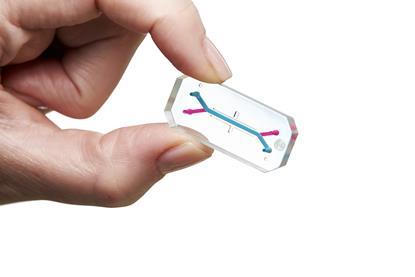
What will it take to trust human-relevant models in drug discovery?
Could organ-on-a-chip technology help identify drug failures before clinical trials? Jim Corbett of Emulate discusses the evidence needed to make human-relevant models reliable tools in drug discovery.
 Article
Earlier MSA detection could guide alpha-synuclein drug discovery
MSA and Parkinson’s share the same protein pathology, yet MSA progresses far faster. Could earlier detection reveal why and help researchers identify more effective targets for drug discovery?
 Article
Reproducible organoids start with reliable cytokines
The right signals can make or break an organoid model. From growth and differentiation to downstream drug testing, cytokines and growth factors are critical to creating cultures researchers can rely on.
News
 News
New antifungal compound targets resistant fungi without kidney toxicity
Researchers have designed an antifungal compound that targets a molecular feature unique to fungi, showing activity against drug-resistant pathogens while avoiding kidney injury in preclinical studies.
 News
3D Cell Painting reveals cancer drug differences missed in 2D
Two cancer drugs appeared almost identical in conventional screening, but a new 3D Cell Painting method exposed striking differences in their effects, raising questions about what 2D models might miss.
 News
New TRPV1 study could change how painkillers are designed
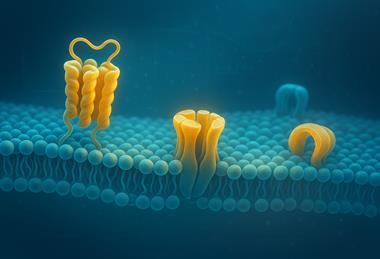
Researchers have found that the TRPV1 pain receptor responds differently to individual stimuli, revealing functional differences that could help inform the development of more selective pain medicines.
 News
MLY2 and MLY8 compounds show promise as ulcerative colitis treatment candidates
Two experimental compounds derived from a phase II metabolite have demonstrated improved anti-inflammatory activity in preclinical models of ulcerative colitis.
From our partners
Webinar
What it really takes to turn cancer discoveries into new therapies
Five leading cancer researchers from across genomics, proteomics, cell biology, chemical biology and gene therapy dig into what’s driving cancer drug discovery forward and what’s still holding progress back.
Opinion and interviews

A sceptical guide to AI agents in drug discovery
AI agents promise to transform drug discovery, but where do they really add value? Dr Eric Ma examines search, model choice, vendor lock-in and why scientific expertise matters more than ever.
- Previous
- Next



Join now
Unlock exclusive industry insights
- Bookmark articles and resources to access anytime
- Enjoy free access to industry leading resources, webinars and insights
- Stay informed with the latest news and breakthroughs
- Receive updates and recommendations tailored to your research interests
Upcoming Webinars
Webinar
Spatial proteomics in FFPE tumour tissue: an end-to-end workflow from prostate cancer research
Follow a complete high-plex spatial proteomics workflow on archival FFPE tumour tissue, from marker-panel design to cell phenotyping, with a prostate cancer case study from the University of Surrey.

Webinar
Cracking cell dynamics with single-cell proteomics and CRISPR
What can pooled CRISPR screening and protein‑level readouts reveal that transcriptomics alone can’t? Explore how single‑cell genomic perturbations, intracellular protein measurements and surface‑protein profiling expose signalling pathways and clarify antibody specificity.
Webinar
What it really takes to turn cancer discoveries into new therapies
Five leading cancer researchers from across genomics, proteomics, cell biology, chemical biology and gene therapy dig into what’s driving cancer drug discovery forward and what’s still holding progress back.
Webinar
Virus-like particles for vaccine serology: from dengue VLP production to neutralising antibody detection
Find out how virus-like particles are produced at scale, and how they can be used to measure IgM, IgG and neutralising antibody responses in vaccine development.
Webinar
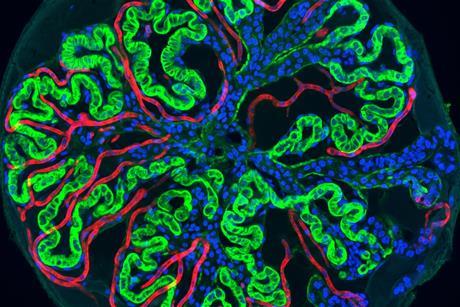
From vial to viable: best practices for culturing organoids
Poor recovery, inconsistent growth and changes in morphology can affect organoid research. How much experimental variability starts with the culture itself?
Spatial proteomics in FFPE tumour tissue: an end-to-end workflow from prostate cancer research
Cracking cell dynamics with single-cell proteomics and CRISPR
What it really takes to turn cancer discoveries into new therapies
Virus-like particles for vaccine serology: from dengue VLP production to neutralising antibody detection
From vial to viable: best practices for culturing organoids
On-demand Webinars
- Previous
- Next