



All Biotechnology & Bioengineering articles
-
 Article
Why more ribosomes can mean less protein in mRNA therapeutics
What happens when the cellular machinery making therapeutic proteins slows down? New research in Nature shows why translation speed could matter for the design of mRNA medicines.
-
 News
NewsHuman heart organoids with functioning valves model cardiac valve disorders
Researchers have engineered human heart organoids complete with functioning valves, creating a physiologically relevant platform to study valve disorders including mitral valve prolapse and valve calcification, and potentially accelerating the search for new treatments.
-
 News
NewsHow CAR T cells are being engineered to target tumour’s ‘soft spot’
A preclinical study published in Nature Biomedical Engineering describes a synthetic biology approach that converts the physical softness of cancer cells into a targetable signal for CAR-T immunotherapy, potentially addressing a key resistance mechanism in solid tumours.
-
 News
NewsNon-endocytic delivery bypasses endosomal barriers for gene therapy
A new review examines how physical, bioengineered and biomimetic delivery platforms that bypass conventional endocytic uptake pathways could transform the clinical development of gene therapies, mRNA treatments and protein-based medicines.
-
 News
NewsMIT engineers control blood vessel growth using mechanical stretching
Engineers at MIT have developed a technique to direct blood vessel growth using mechanical forces, offering a potential solution to one of tissue engineering’s most persistent obstacles: vascularisation.
-
 News
NewsStem cell organoids repair heart microvessels in coronary artery disease models
Stanford University researchers have demonstrated that stem cell-derived vascular organoids can regenerate damaged microvessels in the heart, improving cardiac function in a porcine model of ischaemic heart disease and addressing a significant unmet need in coronary artery disease treatment.
-
 News
NewsSynthetic organiser cells enhance kidney organoid reproducibility and accuracy
Scientists at the University of Southern California have engineered synthetic organiser cells that produce localised Wnt signals to guide kidney organoid development, yielding more reproducible, physiologically accurate structures and revealing a previously unrecognised developmental axis in the human kidney.
-
 News
NewsFish-inspired sensor detects heartbeat of lab-grown cardiac organoids
A biomechanical well plate inspired by the pressure-sensing lateral line of fish can wirelessly monitor the pulse of multiple lab-grown cardiac organoids simultaneously, offering a scalable new platform for cardiovascular drug testing.
-
 News
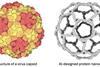
NewsAI-designed proteins self-assemble into virus-like drug delivery structures
An international collaboration has developed AI-designed protein structures that self-assemble into virus-like nanocages using quasisymmetry principles, offering new possibilities for targeted drug delivery, vaccine development and genetic material transport without relying on modified viral proteins.
-
 News
NewsNew framework standardises glioma organoid research for translational studies
A collaborative review published in Neuro-Oncology establishes a unified classification system for glioma organoid models, addressing inconsistent terminology and methodology across the rapidly expanding field.
-
 News
NewsMineralised DNA hydrogel accelerates bone repair in preclinical studies
A mineralised DNA hydrogel has demonstrated accelerated bone repair and improved tissue mineralisation in preclinical studies, offering a potential new approach to treating difficult bone defects through combined immune regulation and sustained regeneration.
-
 News
NewsCardiac organoids repair heart attack damage in preclinical study
Researchers have developed a scalable bioreactor-based system to produce cardiac organoids that successfully integrated into damaged heart tissue in porcine models of myocardial infarction, improving cardiac function and reducing scar formation without triggering arrhythmias.
-
 News
News3D-printed system doubles growth speed of transplantable gut organoids
A novel 3D-printed confined culture system has enabled researchers to generate larger, more advanced human gastrointestinal organoids in half the time of traditional methods, producing transplantation-ready tissues with self-organised enteric neural networks within 14 days.
-
 Article
One sample. One shot. The pressure on sample preparation in drug discovery
In drug discovery, a failed sample run is not just a setback – it can mean months of lost work and significant cost. At Analytica 2026, three Eppendorf experts explain how the right tools, workflows and mindset are changing that.
-
 News
NewsMetal microrobots deliver drugs and biopsies before dissolving
Swallowable metal microrobots that transform shape to deliver drugs and collect tissue samples before safely dissolving could replace invasive endoscopy procedures.
-
 News
NewsAAX Biotech and evitria partner on antibody development
AAX Biotech has partnered with evitria AG to expand access to its Opti-mAb® platform, enabling earlier integration of stability-enhancing technology into antibody candidate design and multispecific format development.
-
 Article
Why lower organisms matter for neurodegeneration drug discovery
In the wake of recent government policy aimed at actively replacing animal models in drug discovery, we consider a possible solution to the translational shortfalls of current cellular methodologies for neurodegenerative disease.
-
 News
News3D-printed drug carriers deliver chemotherapy directly to tumours
Novel FRESH 3D printing technology enables fabrication of nanoscale spanlastic carriers for localised anticancer drug delivery. Early in vitro studies have demonstrated enhanced cellular uptake and tumour cell killing whilst potentially minimising systemic toxicity associated with conventional chemotherapy administration.
-
 News
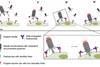
NewsDNA ‘needle’ bypasses cellular defences to deliver therapeutics
A microscopic DNA nanostructure inspired by bacteriophages can deliver therapeutic molecules directly into cells whilst evading endosomal traps that typically render treatments ineffective. The virus-inspired platform, demonstrated in breast cancer cells, could address the longstanding challenge that only one per cent of oligonucleotide therapeutics reach their cellular targets.
-
 Article
Computational design drives new generation of synthetic promoters
Designing gene control from scratch is becoming possible. SynGenSys is using computational design to create synthetic promoters for advanced therapies.