



News – Page 6
-
 News
NewsCombining antibodies with natural compounds may improve Alzheimer’s treatment
Researchers at the University of Waterloo have demonstrated that combining anti-amyloid antibodies with naturally derived small molecules, such as resveratrol and curcumin, may improve therapeutic outcomes in Alzheimer’s disease.
-
 News
NewsInsilico announces ISM6200 AI-designed drug candidate for ovarian cancer and cortisol disorders
Insilico Medicine has nominated ISM6200, a preclinical drug candidate designed using generative AI to target NR3C1, a receptor involved in cortisol regulation.
-
 News
NewsMassey Cancer Center funds drug discovery projects targeting Hsp27-CerS1 and ferroptosis pathways
The VCU Massey Comprehensive Cancer Center has awarded $50,000 each to two innovative drug discovery projects through its collaborative programme with Sanford Burnham Prebys Medical Discovery Institute.
-
 News
NewsZebrafish drug screening identifies precision therapies for autism
Yale University researchers have created a behavioural drug screening database using zebrafish models to identify FDA-approved compounds that reverse disrupted behaviours linked to autism risk genes.
-
 News
NewsMolecular map reveals thromboxane receptor structure for new blood clotting drug development
International researchers have mapped the structure of the thromboxase A₂ receptor using cryo-electron microscopy, revealing some unexpected activation mechanisms.
-
 News
NewsLactylation emerges as key driver of lung cancer resistance
New research from Shanghai Pulmonary Hospital outlines how lactate-driven lactylation acts as a metabolic switch controlling epigenetic regulation in lung cancer. The findings reveal self-reinforcing feedback loops that sustain drug resistance and suggest novel therapeutic strategies targeting the enzymes and pathways that maintain this process.
-
 News
NewsNew osteoarthritis therapy targeting joint repair advances following preclinical success
A Duke Health-led consortium has achieved key preclinical milestones in developing regenerative therapies that target cartilage and bone damage in osteoarthritis, potentially offering an alternative to symptom management and joint replacement surgery.
-
 News
News3D-printed drug carriers deliver chemotherapy directly to tumours
Novel FRESH 3D printing technology enables fabrication of nanoscale spanlastic carriers for localised anticancer drug delivery. Early in vitro studies have demonstrated enhanced cellular uptake and tumour cell killing whilst potentially minimising systemic toxicity associated with conventional chemotherapy administration.
-
 News
NewsLipid nanoparticles deliver dual therapy for lung cancer
Oregon State University researchers have developed engineered lipid nanoparticles that deliver follistatin mRNA directly to lung tumours, simultaneously targeting cancer growth and muscle-wasting cachexia in preclinical studies.
-
 News
NewsDNA ‘needle’ bypasses cellular defences to deliver therapeutics
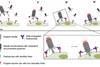
A microscopic DNA nanostructure inspired by bacteriophages can deliver therapeutic molecules directly into cells whilst evading endosomal traps that typically render treatments ineffective. The virus-inspired platform, demonstrated in breast cancer cells, could address the longstanding challenge that only one per cent of oligonucleotide therapeutics reach their cellular targets.
-
 News
NewsFGF21 hormone targets hindbrain pathways to reverse obesity
New research reveals that FGF21, a hormone under investigation for obesity and metabolic dysfunction-associated steatohepatitis (MASH), works by signalling to the hindbrain rather than the hypothalamus. The discovery of this distinct neural circuit—which increases metabolic rate rather than simply suppressing appetite—could enable development of more precise therapies with fewer adverse effects than current FGF21 analogues.
-
 News
NewsSmall molecule SK-129 targets protein aggregation in Parkinson’s disease
International researchers have identified a small molecule capable of crossing the blood-brain barrier to prevent pathological protein aggregation in Parkinson’s disease, Lewy body dementia and multiple system atrophy.
-
 News
NewsDNA-based system delivers targeted cancer drugs via biomarker logic
Researchers at the University of Geneva have developed a DNA-based drug delivery platform that uses molecular logic gates to identify cancer cells through dual biomarker recognition. The system activates cytotoxic agents only when both tumour markers are present, offering enhanced specificity over current antibody–drug conjugates while enabling deeper tissue penetration and multi-drug combinations.
-
 News
NewsHuman antimicrobial peptide dermcidin shows antiviral activity against influenza
Researchers at Fisabio Foundation have discovered that dermcidin, an antimicrobial peptide naturally present in human sweat, exhibits antiviral activity against influenza by binding to viral haemagglutinin and preventing cell fusion, opening new possibilities for innate immunity-based therapeutics.
-
 News
NewsMirrored molecules target disordered proteins in Alzheimer’s disease
Researchers at Kobe University have developed a novel approach to Alzheimer’s disease treatment by engineering right-handed amino acid chains that bind to amyloid-beta proteins. The method, inspired by materials science principles of chirality, demonstrated effective inhibition of toxic protein aggregation in mouse brain cell cultures, maintaining cell viability where amyloid-beta alone reduced it by 50 percent.
-
 News
NewsScientists scale up neural organoid studies for drug testing
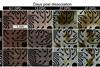
Researchers at King’s College London have developed a hybrid neural organoid approach that addresses longstanding limitations in scalability, reproducibility and longitudinal analysis. By dissociating 3D organoids and culturing pooled cells on microelectrode arrays, the team created 2D networks that retain cellular diversity whilst enabling consistent, long-term tracking of neural activity across parallel cultures.
-
 News
NewsImplantable ‘living pharmacy’ device produces multiple drugs inside the body
Scientists have developed an implantable device that acts as a ‘living pharmacy’, using engineered cells to continuously produce multiple therapeutic biologics inside the body. The wireless system, which generates its own oxygen supply, maintained stable drug levels for 30 days in preclinical studies.
-
 News
News$13.9M UCLA study maps autism and schizophrenia biology for drug discovery
A $13.9 million UCLA-led research programme will use CRISPR gene editing and ‘cell villages’ to systematically map the molecular differences underlying autism and schizophrenia, addressing the absence of medicines targeting the biological roots of both conditions.
-
 News
NewsHaem signalling pathway identified as key driver of T cell exhaustion
University of Lausanne researchers have identified a molecular mechanism explaining how cancer-fighting T cells become exhausted in tumours, offering a potential route to improve CAR T therapies through proteasome modulation during cell manufacturing.
-
 News
NewsCOPD drug roflumilast may help fight breast cancer lung metastasis
University of Colorado Anschutz Cancer Center scientists have uncovered how metastatic breast cancer cells exploit pulmonary repair pathways to establish tumours in the lungs.