

Chicken eggs containing human proteins could be key for future therapies
Posted: 28 January 2019 | Iqra Farooq (Drug Target Review) | No comments yet
Hens that lay human proteins in their eggs could offer hope for future therapies, especially with the simple, cost-effective system used…
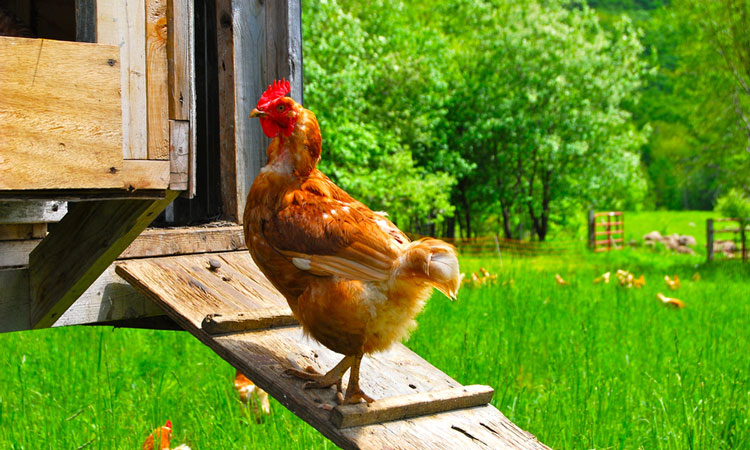
Genetically modified chickens could produce human proteins in their eggs, offering a cost-effective method of producing certain drugs.
Researchers at University of Edinburgh’s Roslin Institute and Roslin Technologies initially focused on the production of high quality proteins so they could be used in research, but found that the drugs produced worked as well as the proteins produced during existing methods. Using a simple purification method, high quantities of the protein could be recovered from the eggs, with no adverse effect on the chickens themselves.
The team focused on two proteins that were essential to the immune system and also had therapeutic potential, IFNalpha2a and macrophage-CSF. The human protein IFNalpha2a, has powerful anticancer and antiviral effects, while the human and pig versions of the protein called macrophage-CSF, is being developed as a therapy that stimulates damaged tissues to repair themselves.
Automation now plays a central role in discovery. From self-driving laboratories to real-time bioprocessing
This report explores how data-driven systems improve reproducibility, speed decisions and make scale achievable across research and development.
Inside the report:
- Advance discovery through miniaturised, high-throughput and animal-free systems
- Integrate AI, robotics and analytics to speed decision-making
- Streamline cell therapy and bioprocess QC for scale and compliance
- And more!
This report unlocks perspectives that show how automation is changing the scale and quality of discovery. The result is faster insight, stronger data and better science – access your free copy today
The team mentioned how this could be a cheap method of producing high quality drugs to be used in research studies, and in the future, possibly in patients. Only three eggs were needed to produce a clinically relevant dose of the drug, and because chicken can lay up to 300 eggs a year, the approach could be more cost effective than methods currently used to produce important drugs.
Professor Helen Sang, of the University of Edinburgh’s Roslin Institute, said: “We are not yet producing medicines for people, but this study shows that chickens are commercially viable for producing proteins suitable for drug discovery studies and other applications in biotechnology.”
Currently, eggs are used to grow viruses that are used as vaccines, such as the flu vaccine. This approach is different in that it encodes the therapeutic proteins in the chicken’s DNA which is then produced as part of the egg white.
Whilst the researchers have not yet produced medicines for use in patients, the study could be adapted to produce many other therapeutic proteins for protein based drugs, such as avastin and herceptin, which are used to treat cancer.
Dr Lissa Herron, Head of the Avian Biopharming Business Unit at Roslin Technologies, said: “We are excited to develop this technology to its full potential, not just for human therapeutics in the future but also in the fields of research and animal health.”
For most of these protein drugs, the best method of producing them with sufficient quality uses mammalian cell culture techniques that are usually expensive with low yields. Other methods with better results often have raised costs, due to the complex purifying systems and processing techniques required.
Dr Ceri Lyn-Adams, Head of Science Strategy, Bioscience for Health with BBSRC, said: “These recent findings provide a promising proof of concept for future drug discovery and potential for developing more economical protein-based drugs.”
The study was published in the journal BMC Technology.
Related topics
Disease Research, Drug Discovery, Research & Development, Therapeutics
Related organisations
University of Edinburgh's Roslin Institute
Related people
Dr Ceri Lyn-Adams, Dr Lissa Herron, Professor Helen Sang