




Oral bacteria in gut could play role in Parkinson’s disease development
Korean researchers have discovered that oral bacteria in the gut may contribute to Parkinson’s disease – highlighting a potential new target for treatment.
List view / Grid view
Korean researchers have discovered that oral bacteria in the gut may contribute to Parkinson’s disease – highlighting a potential new target for treatment.
Researchers in China have discovered how glioblastoma adapts to low-oxygen conditions – revealing a new treatment strategy that combines an orphan drug with standard chemotherapy to overcome resistance.
NYU researchers have identified a receptor in prostaglandins that triggers pain without affecting inflammation – which could lead to safer, more targeted pain treatments.
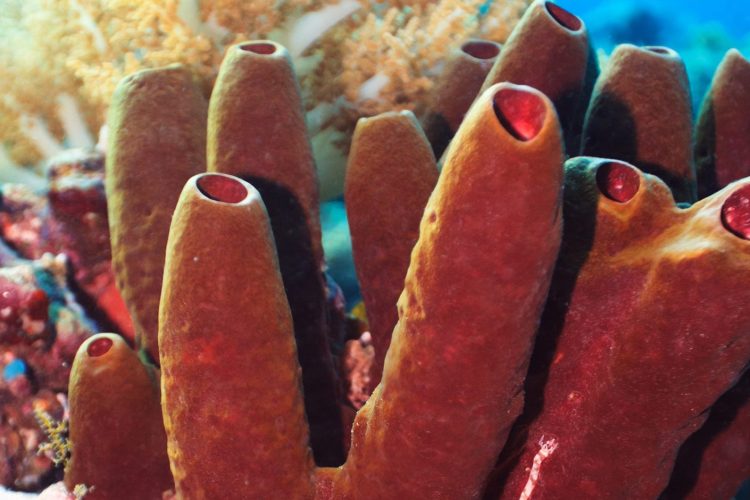
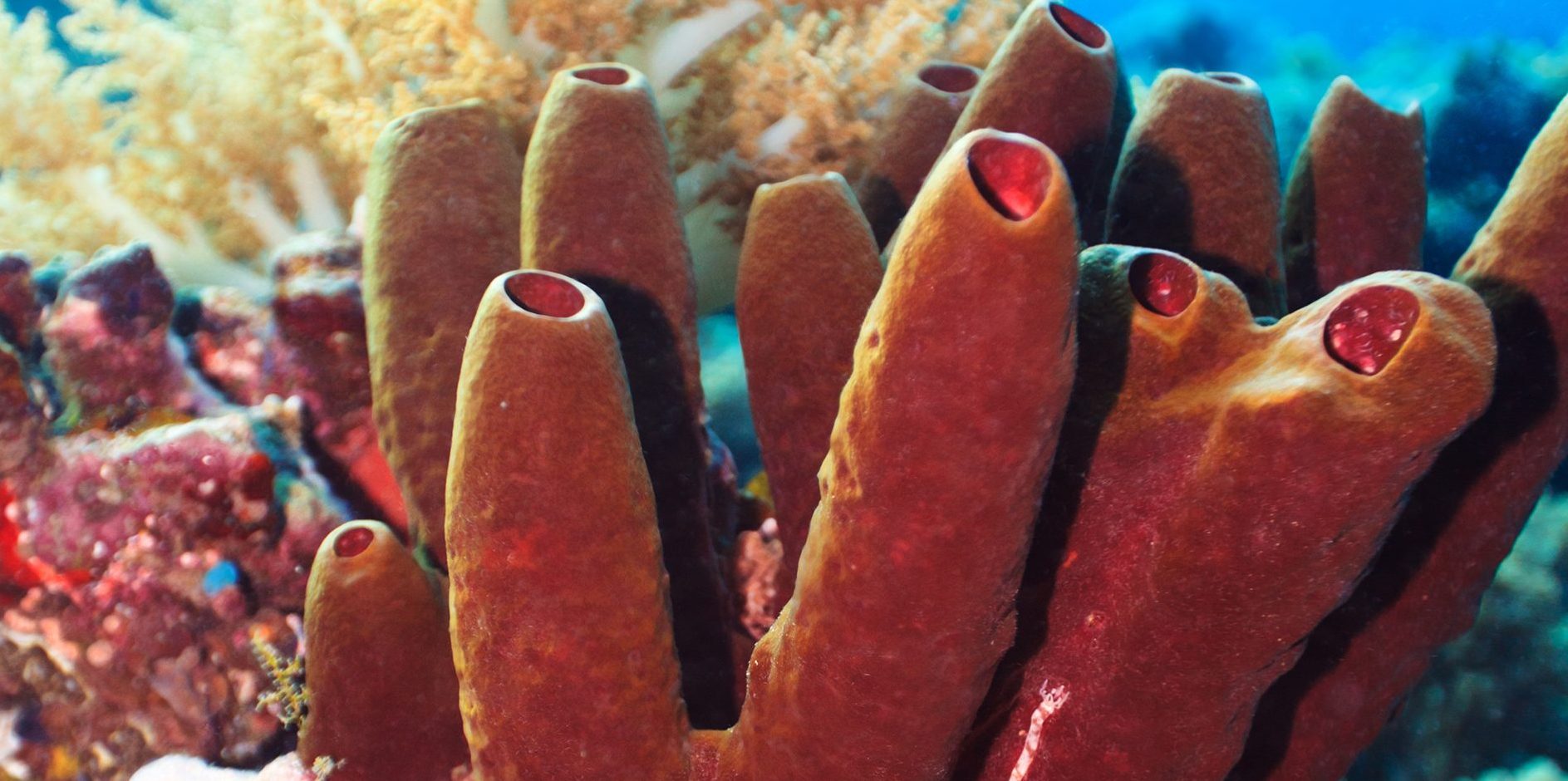
Japanese researchers have discovered potent new compounds from marine sponges that could transform the treatment of leishmaniasis – a neglected tropical disease affecting millions worldwide.

Scientists have mapped the diversity of fibroblasts and discovered how ‘rogue’ fibroblasts drive multiple diseases, revealing drug targets that could transform treatments across the body.
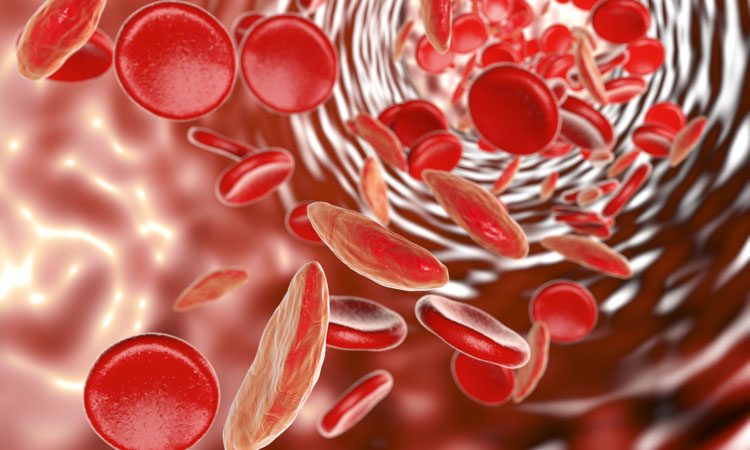
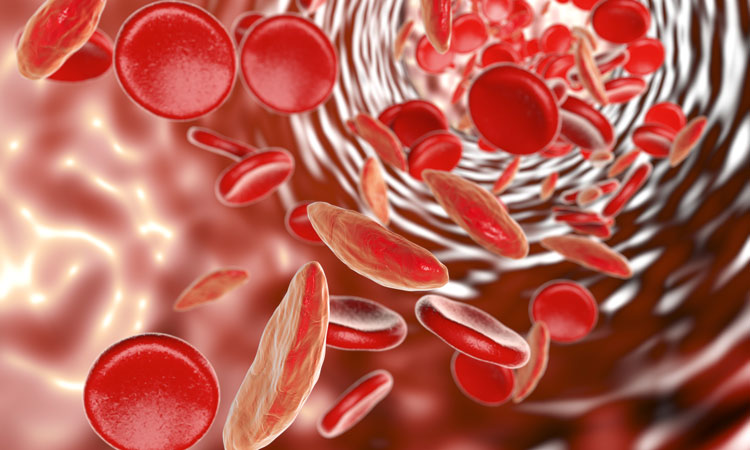
A new study from UT Dallas and the Medical College of Wisconsin links chronic sickle cell disease pain to gut bacteria – identifying Akkermansia muciniphila as a potential target for new probiotic or microbiome-based therapies.


Scientists have supercharged vinegar’s antibacterial properties by adding carbon and cobalt nanoparticles – creating a powerful, non-toxic treatment that could help combat drug-resistant infections and speed up wound healing.
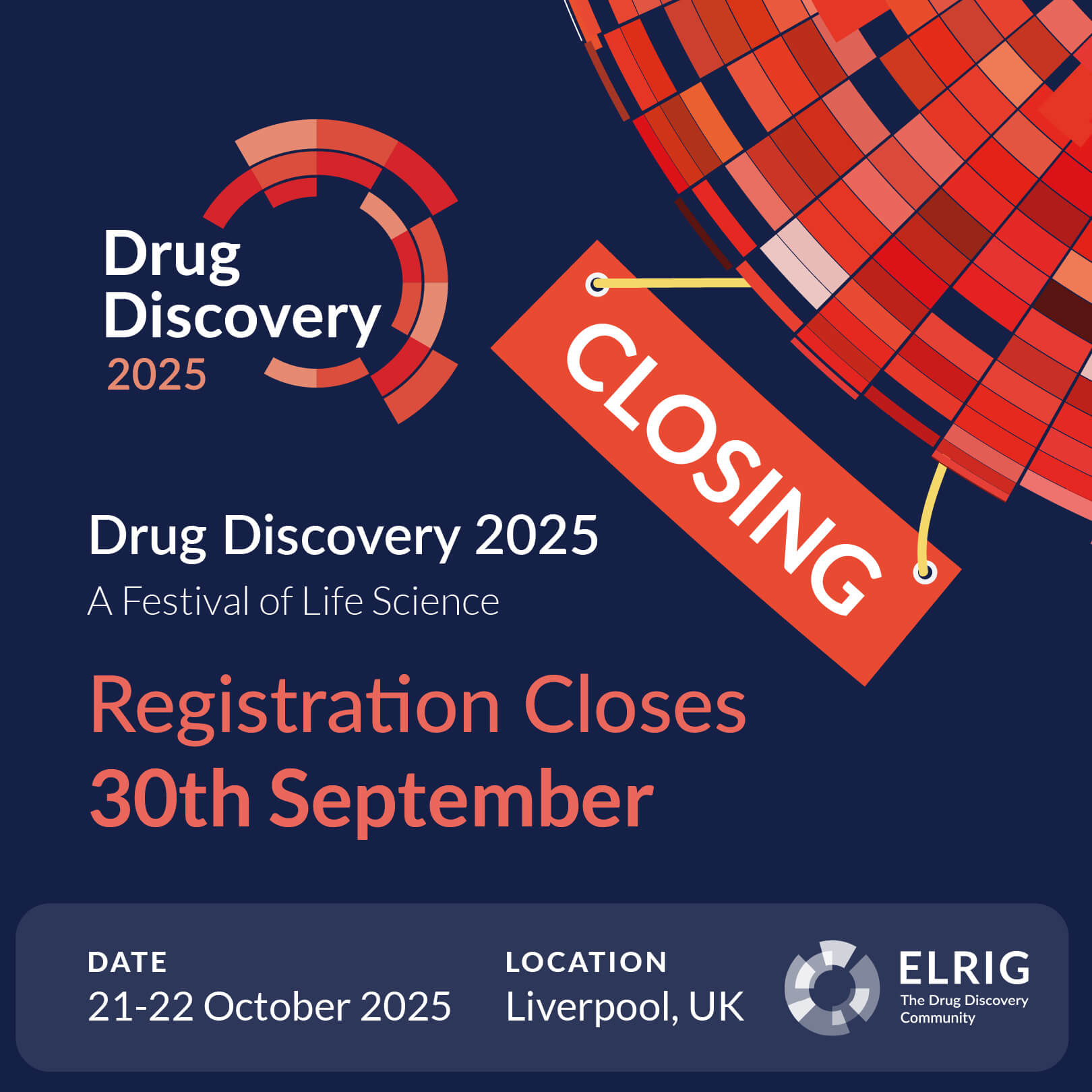
Registration for ELRIG’s Drug Discovery 2025 will close on 30 September. The free to attend conference, held on 21–22 October in Liverpool, will bring together thousands of scientists, exhibitors and expert speakers.
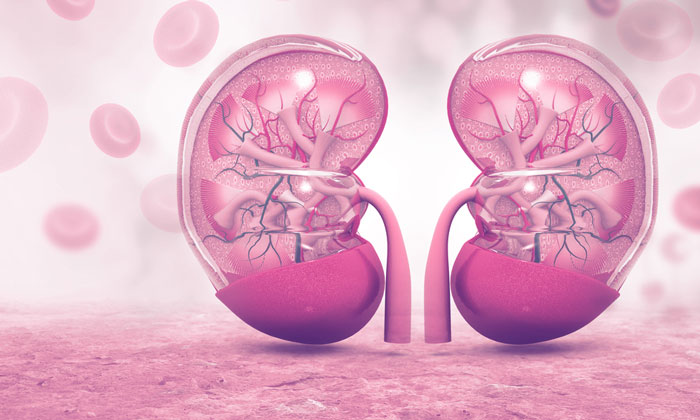
USC Stem Cell scientists have created the most advanced lab-grown kidney structures to date, combining key components into ‘assembloids’ that mature and function like real kidneys, which could open up new possibilities for modelling complex kidney diseases.
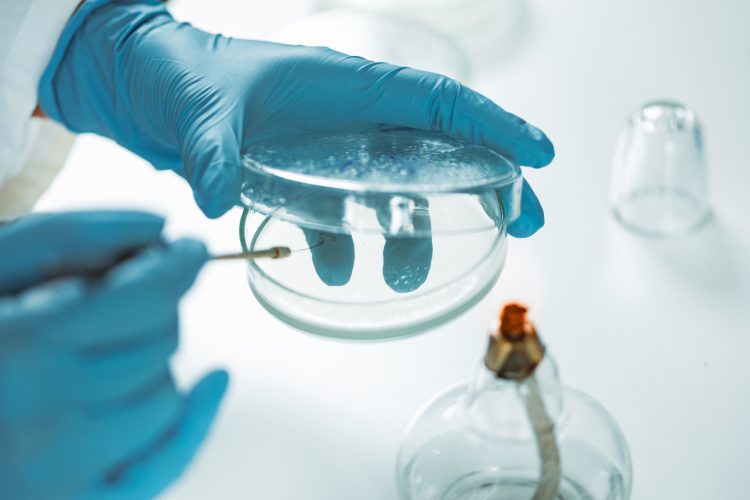
Scientists at the University of Liverpool have discovered Novltex, a new class of antibiotics that shows potent activity against deadly multidrug-resistant bacteria such as MRSA.
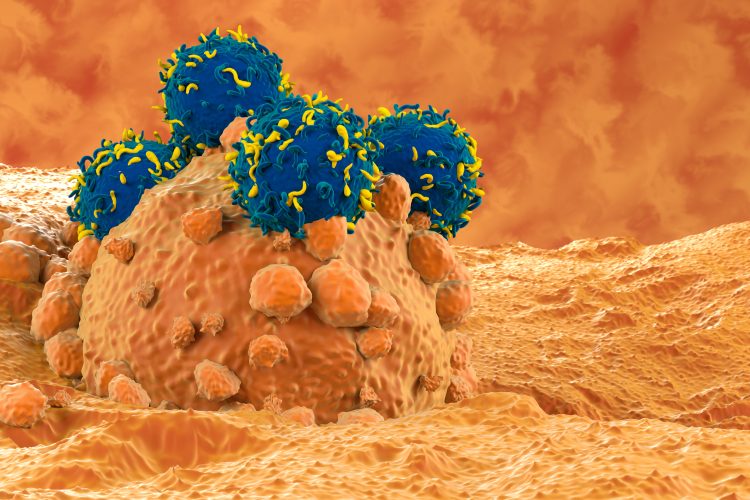

Every new CAR-T needs a new detection tool – until now. Anti-linker antibodies could change how researchers develop and track these therapies.
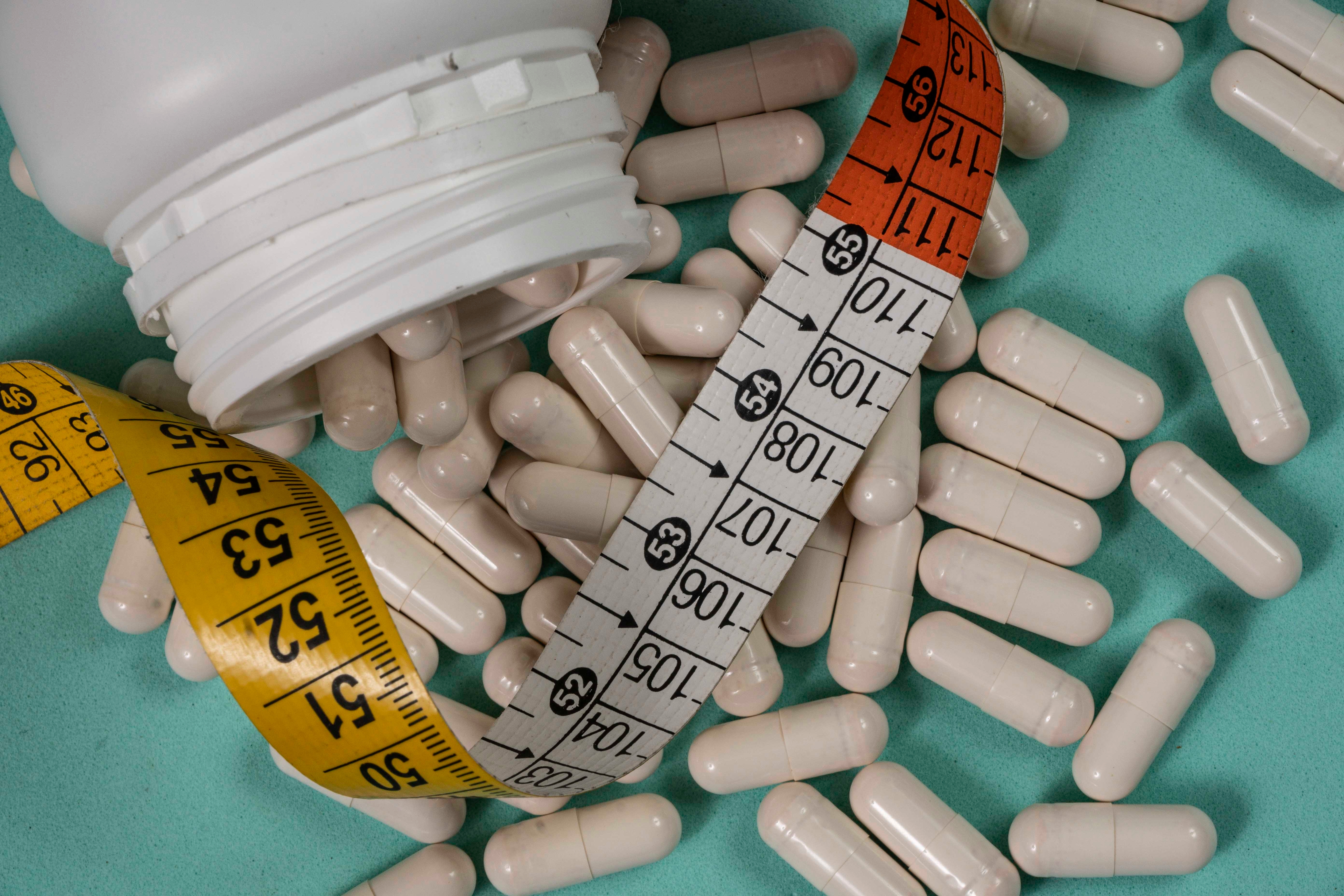
A first-in-class obesity drug, presented at the European Association for the Study of Diabetes meeting in Vienna, aims to reprogramme metabolism rather than suppress appetite – offering the potential for long-lasting weight loss without regain.


Virginia Tech computer scientists have created a new AI tool, ProRNA3D-single, that can generate 3D models of how viral RNA binds to human proteins – a development that could speed up drug discovery.


Researchers at Sutter’s California Pacific Medical Center have discovered a potential new treatment strategy for melanoma patients who stop responding to immunotherapy.
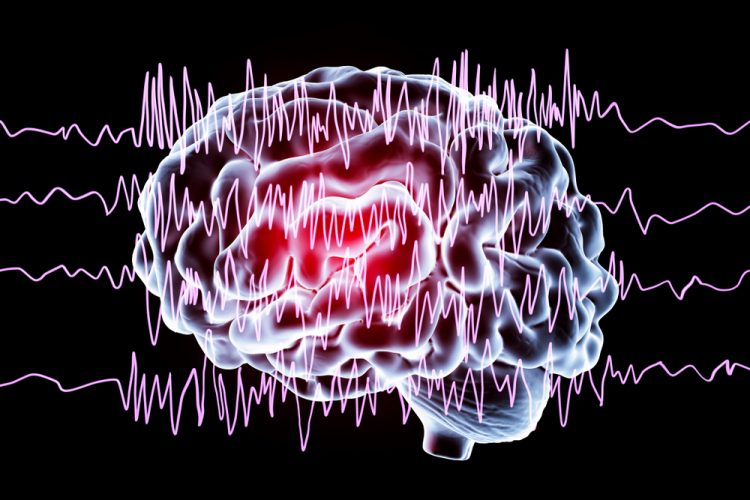
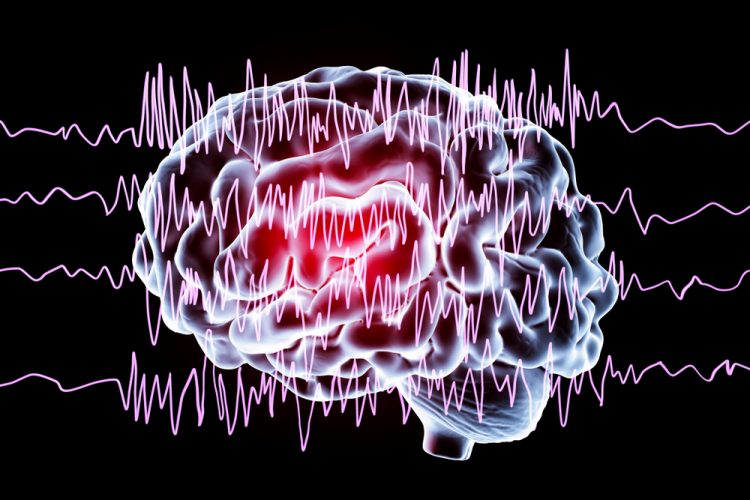
In a new study, researchers have discovered that deep brain stimulation targeting the centromedian nucleus could help patients with drug-resistant epilepsy improve seizure control.
