



All Precision Medicine articles – Page 2
-
 News
NewsMitochondrial microprotein discovery reveals new Type 2 diabetes genetic link
A newly identified mitochondrial microprotein, MENTSH, has been linked to increased Type 2 diabetes susceptibility in Mexican and Mexican American populations, pointing towards a potential precision medicine target.
-
 News
NewsFullscope-seq maps transcript isoforms with spatial single-cell resolution
Researchers have developed Fullscope-seq, a long-read spatial transcriptomics platform that maps alternative transcript isoforms within intact tissues at single-cell resolution – opening new possibilities for target identification and precision biomarker discovery.
-
 News
NewsBlood test for protein misfolding identifies Alzheimer’s risk years before symptoms
A blood-based biomarker measuring amyloid beta protein misfolding has demonstrated superior predictive accuracy for pre-symptomatic Alzheimer’s disease compared with p-tau 217, achieving an AUC of 0.87 when combined with genetic and demographic data.
-
 News
NewsLandmark fibromyalgia study highlights neurological targets for new therapies
A landmark genome-wide study of more than 2.5 million adults has identified 26 genomic regions linked to fibromyalgia, confirming a neurological basis for the condition and opening new avenues for targeted drug discovery.
-
 Article
How spatial biology is tracking antibody drugs inside tumours
Many antibody therapies fail to reach all cancer cells within solid tumours. Researchers have developed a spatial biology technique that maps antibody distribution alongside the tumour microenvironment to investigate why.
-
 News
NewsTumour organoids may expand access to targeted cancer drugs
Two studies from Weill Cornell Medicine demonstrate that patient-derived tumour organoids can accurately replicate cancers long-term and incorporate immune microenvironments, offering new potential for personalised treatment selection.
-
 News
NewsSpatial map reveals hidden complexity of bladder cancer tumours
Researchers at MD Anderson Cancer Center have used spatial transcriptomics to chart the internal architecture of muscle-invasive bladder cancer, revealing that luminal and basal cancer cell programmes coexist within single tumours – a finding with significant implications for treatment stratification.
-
 News
NewsPancreas organoids reveal CFTR dysfunction as chronic pancreatitis drug target
Researchers at the Salk Institute have developed a patient-derived organoid platform that identifies distinct biological subtypes of chronic pancreatitis and highlights CFTR as a potential therapeutic target, raising prospects for more personalised treatments.
-
 News
NewsNew BET inhibitors could overcome barriers in solid tumour treatment
A new review examines how advances in drug design, PROTAC degraders and combination therapies are reviving the clinical prospects of BET inhibition in solid tumours, after early-generation compounds were hampered by toxicity, resistance and modest efficacy.
-
 News
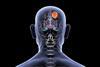
NewsATRX mutations reprogram chromatin to drive glioma progression
Scientists at MD Anderson Cancer Center have revealed how ATRX mutations restructure chromatin and activate oncogenic developmental pathways in glioma, pointing towards novel therapeutic targets including the HOXA signalling axis.
-
 News
NewsFish-inspired sensor detects heartbeat of lab-grown cardiac organoids
A biomechanical well plate inspired by the pressure-sensing lateral line of fish can wirelessly monitor the pulse of multiple lab-grown cardiac organoids simultaneously, offering a scalable new platform for cardiovascular drug testing.
-
 News
NewsmRNA vaccine shows promise against childhood neuroblastoma cancer
Preclinical study demonstrates effectiveness of experimental mRNA vaccine against neuroblastoma, reducing tumour size by 70 percent and delaying development. RCSI researchers used peptide nanoparticles targeting GPC2 protein to direct immune response against cancer cells, offering potential new treatment approach for aggressive childhood malignancy.
-
 Article
Pomegranate-derived compound shows therapeutic potential in heart disease
Researchers at Cardiff University have identified urolithin A – a compound produced by gut bacteria during the metabolism of substances found in pomegranates – as a new approach for treating cardiovascular disease.
-
 News
NewsFerroptosis emerges as strategy against treatment-resistant digestive cancers
Researchers are investigating ferroptosis, an iron-dependent cell death pathway, as a potential approach to overcome treatment resistance in digestive cancers.
-
 News
NewsGene-based CIN score predicts breast cancer survival and immunotherapy response
A 13-gene chromosomal instability scoring system developed by Shanghai researchers correlates with survival outcomes and immunotherapy response in breast cancer patients.
-
 Article
Machine learning identifies biological signals linked to emotional hunger
Researchers at Phenomix Sciences are using machine learning and genetic risk scoring to investigate emotional hunger, an obesity phenotype linked to emotional and reward-driven eating behaviours. Dr Timothy O’Connor discusses how the approach could improve patient stratification, obesity research and treatment selection.
-
 News
NewsMetabolic vulnerabilities identified in rare Fibrolamellar liver cancer
Researchers have identified metabolic vulnerabilities in Fibrolamellar cancer, a rare liver malignancy affecting adolescents and young adults, using functional profiling and mass spectrometry. The findings suggest chemotherapy-resistant tumours may be susceptible to metabolism-targeted therapies.
-
 Article
Beyond tangles: why soluble intracellular tau should guide drug discovery
Tau tangles are a hallmark of Alzheimer’s disease and related disorders, but evidence suggests the real damage may come from rare, soluble tau species inside neurons. Targeting these hidden drivers of circuit dysfunction could be key to restoring memory and cognition.
-
 Article
Why AI models need patient data to deliver in drug discovery
Despite rapid advances in AI, many drug discovery models still struggle to translate computational predictions into clinical outcomes. Thomas Clozel explains how Owkin is training AI on large-scale patient-derived data while integrating experimental and clinical validation directly into model development.
-
 News
NewsASGCT 2026 Annual Meeting opens in Boston this week
The American Society of Gene & Cell Therapy’s 2026 Annual Meeting opens in Boston on 11 May, bringing together thousands of researchers, clinicians and industry leaders for five days of scientific programming.