Featured content
AI agents vs scientists: what should we automate in drug discovery?
AI agents can search, analyse and plan across drug discovery workflows, but where should scientists hand over control? We examine what to automate, what to check and where human judgement matters most.
 Article
How disease exposes hidden epitopes that AI models may miss
A protein can look very different in disease without a single change to its sequence. Measuring these structural changes could reveal drug targets invisible to genomic and expression data alone.
 Article
How protective gene variants are revealing new drug targets
Finding the right drug target remains one of discovery’s biggest challenges. Human genetics is helping researchers strengthen the evidence before committing years of research and investment.
 Article
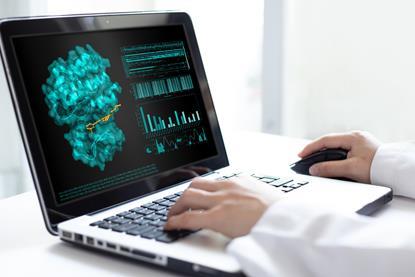
Why AI struggles with new drug targets – and how physics could help
Virtual screening can assess billions of compounds, but performance can fall on unfamiliar targets. Combining AI with molecular physics could help make predictions more reliable.
News
 News
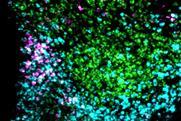
NewsThree-signal method converts blood B cells into germinal centre-like cells
Researchers at the University of Osaka have developed a streamlined laboratory method that uses just three sequentially delivered signals to convert naive B cells from human blood into cells closely resembling germinal centre B cells.
 News
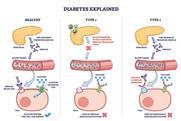
NewsMenin inhibitor KO-7246 shows β-cell regeneration in preclinical diabetes models
New preclinical data suggests that menin inhibitor KO-7246 can regenerate functional pancreatic β-cells and sustain improvements in blood glucose control across both Type 1 and Type 2 diabetes models.
 News
NewsIn vivo CAR T review charts path to off-the-shelf cellular therapy
A review from researchers at Naval Medical University and Shanghai Jiao Tong University examines how engineering CAR T cells directly inside the body could cut manufacturing complexity and expand patient access to cellular immunotherapy.
 News
NewsBrain circuit linking cold exposure to metabolism identified in hypothalamus
Researchers at USF Health have identified a previously unknown brain circuit in the hypothalamus that coordinates eating behaviour, heat production and energy expenditure in response to cold, with implications for obesity and metabolic disease drug discovery.
From our partners
Webinar
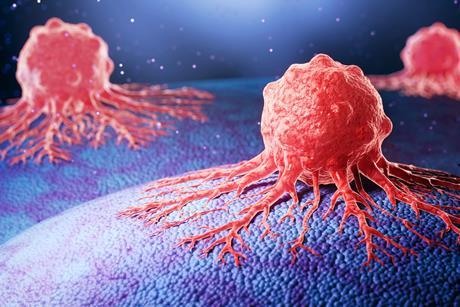
What it really takes to turn cancer discoveries into new therapies
Five leading cancer researchers from across genomics, proteomics, cell biology, chemical biology and gene therapy dig into what’s driving cancer drug discovery forward and what’s still holding progress back.
Opinion and interviews
The global push to reduce animal testing in drug development
Non-animal methods are already used throughout early drug discovery, yet animal testing continues to dominate regulatory safety assessment. Recent initiatives suggest change is coming, but significant scientific and practical challenges remain.
- Previous
- Next

Join now
Unlock exclusive industry insights
- Bookmark articles and resources to access anytime
- Enjoy free access to industry leading resources, webinars and insights
- Stay informed with the latest news and breakthroughs
- Receive updates and recommendations tailored to your research interests
Upcoming Webinars
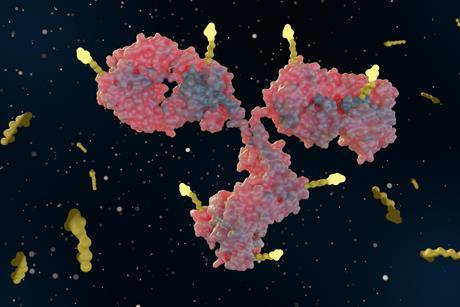
Webinar
Building better therapeutic antibodies: the science, progress and problems to solve
As therapeutic antibodies become more complex, where is the field making real progress and which problems are proving hardest to solve? Hear leading experts share their perspectives.
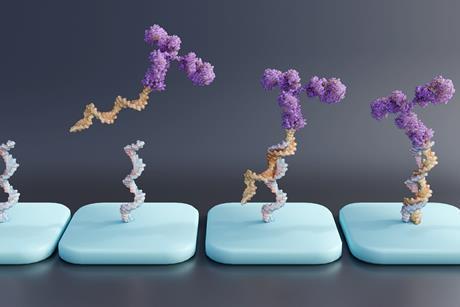
Webinar
Oligonucleotide therapeutics safety considerations across drug development
As oligonucleotide therapeutics continue to advance, their safety assessment presents challenges that differ from traditional drug modalities. Discover how nonclinical safety studies, evolving regulatory expectations and real-world case examples can help you navigate these challenges with greater confidence.
Webinar
From antibody discovery to development: long-read sequencing in practice
As sequencing continues to grow in importance across biotherapeutic discovery and development, where can it make the biggest impact and how can fragmented workflows be overcome?
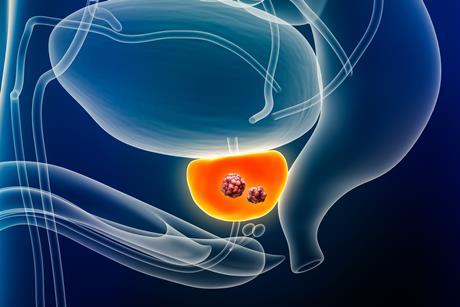
Webinar
Mapping the prostate tumour microenvironment with spatial proteomics
As spatial proteomics advances, how can researchers find the complex biology of the prostate tumour microenvironment while preserving spatial context? Hear experts from the University of Surrey share their approach.

Webinar
Cracking cell dynamics with single-cell proteomics and CRISPR
What can pooled CRISPR screening and protein‑level readouts reveal that transcriptomics alone can’t? Explore how single‑cell genomic perturbations, intracellular protein measurements and surface‑protein profiling expose signalling pathways and clarify antibody specificity.
Webinar
What it really takes to turn cancer discoveries into new therapies
Five leading cancer researchers from across genomics, proteomics, cell biology, chemical biology and gene therapy dig into what’s driving cancer drug discovery forward and what’s still holding progress back.
Building better therapeutic antibodies: the science, progress and problems to solve
Oligonucleotide therapeutics safety considerations across drug development
From antibody discovery to development: long-read sequencing in practice
Mapping the prostate tumour microenvironment with spatial proteomics
Cracking cell dynamics with single-cell proteomics and CRISPR
What it really takes to turn cancer discoveries into new therapies
On-demand Webinars
- Previous
- Next